
Last updated November 14, 2026
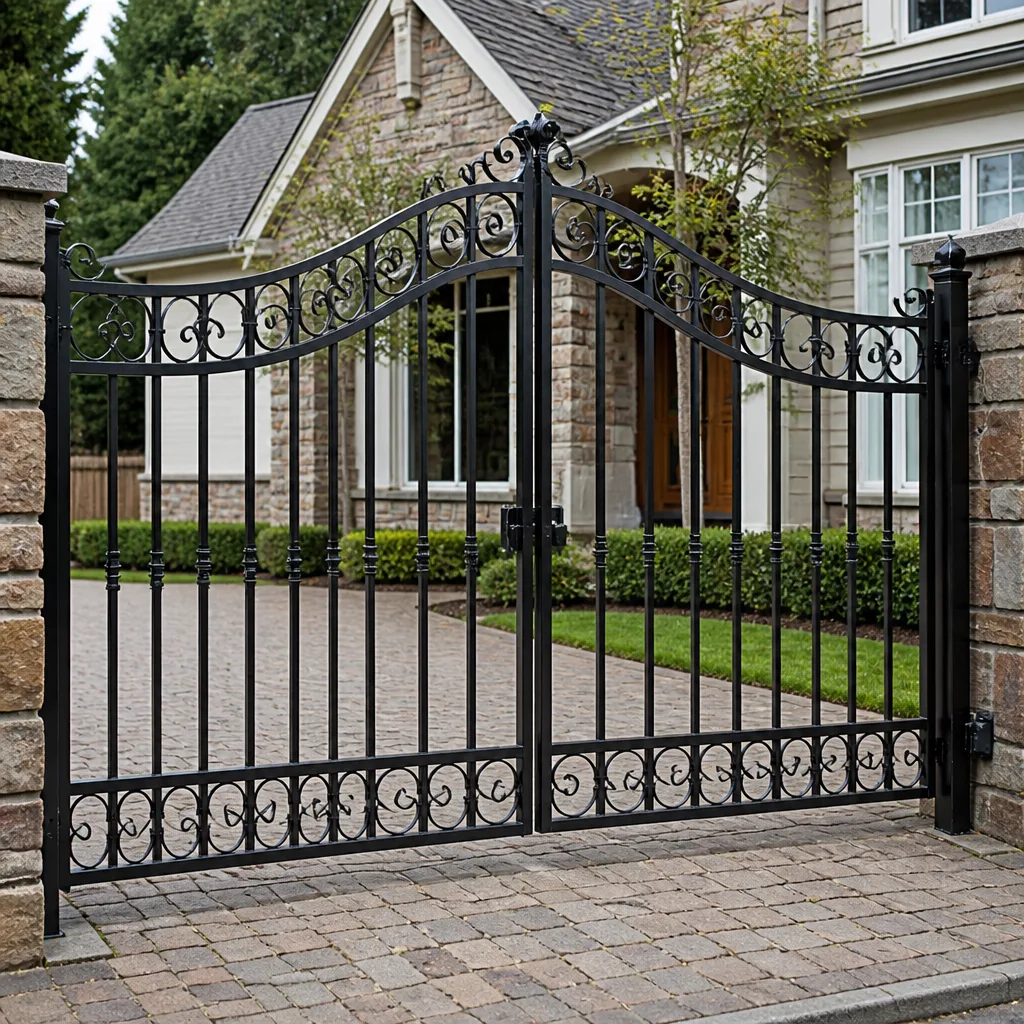 Wrought iron
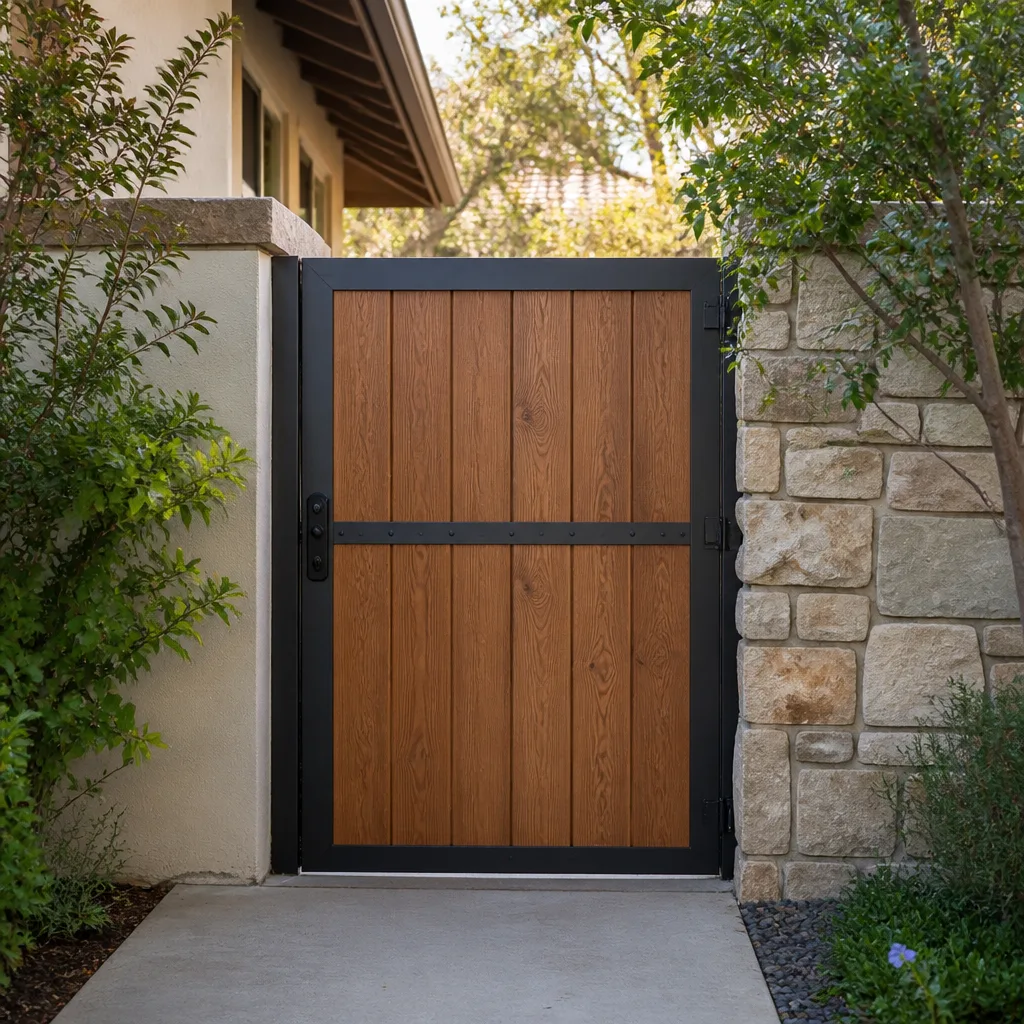 Wood & steel frame
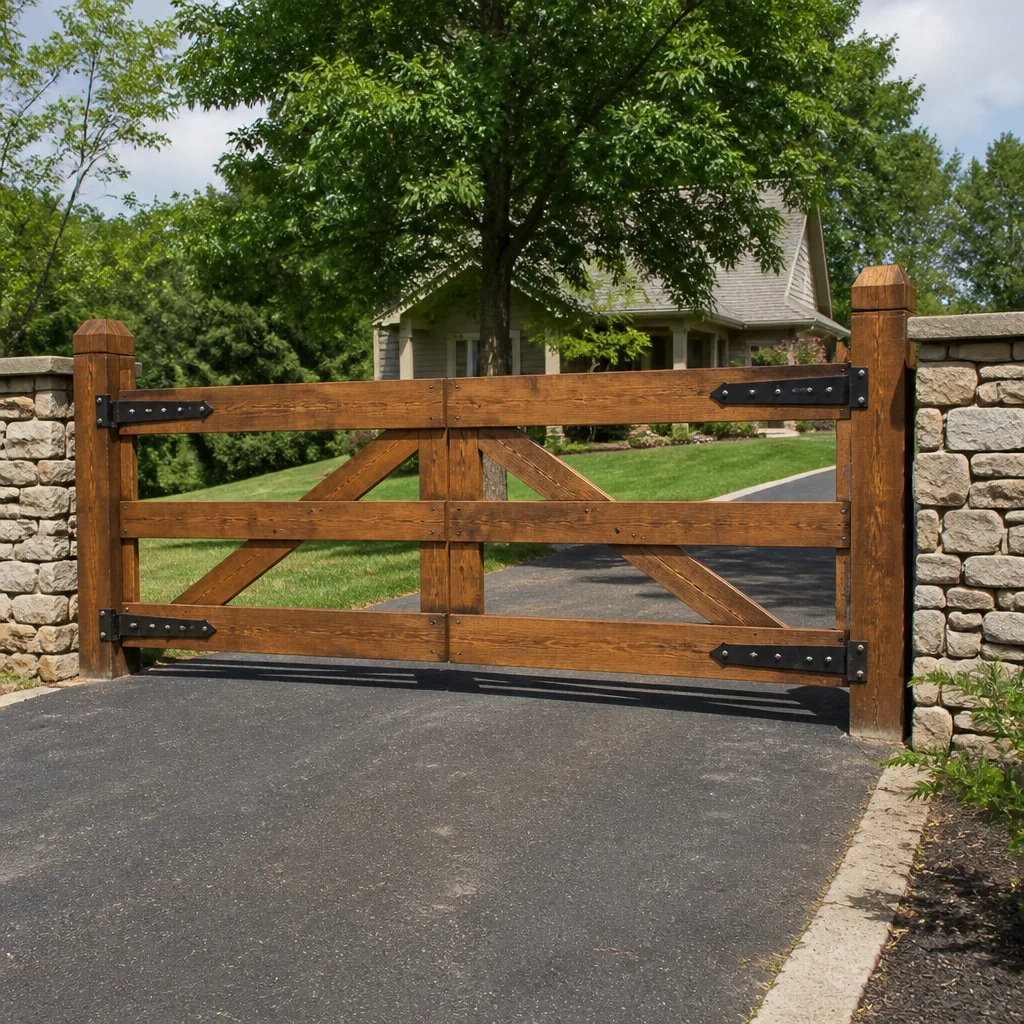 Farm & ranch
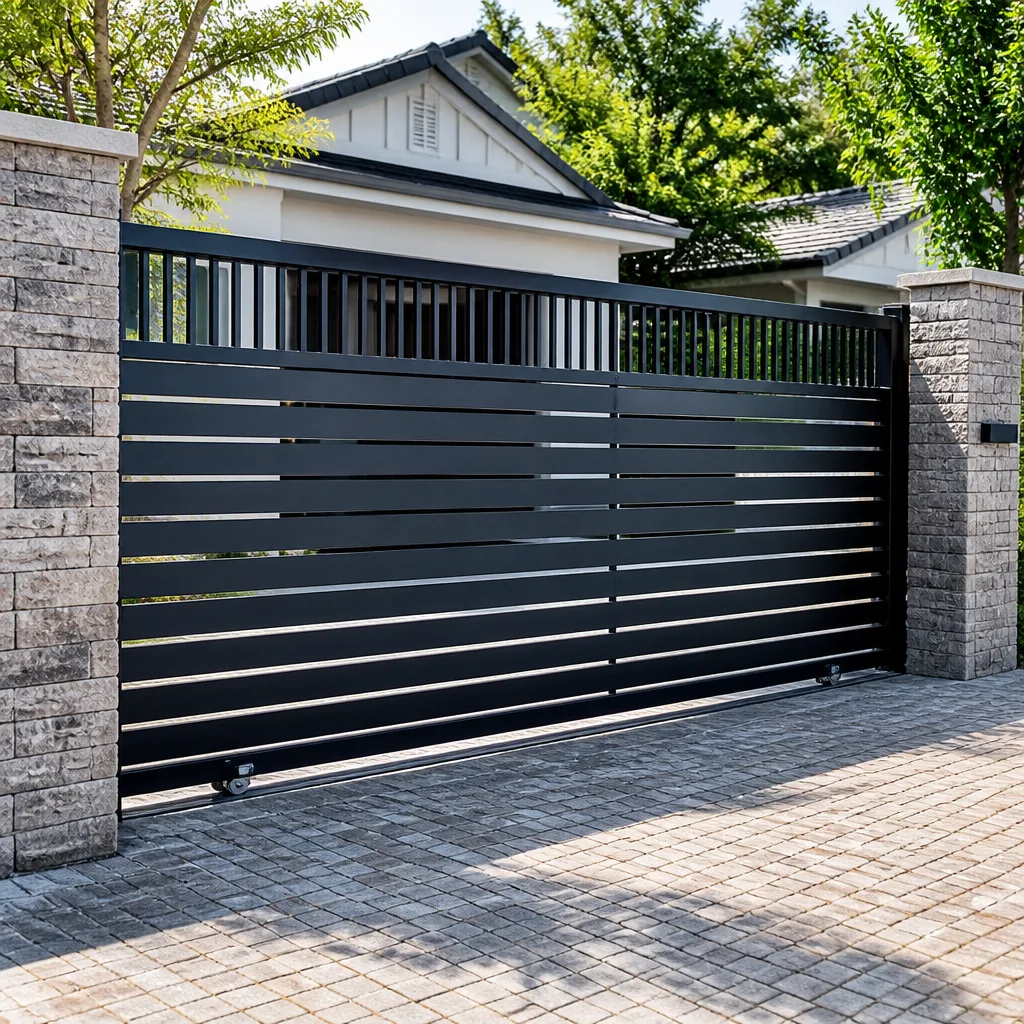 Sliding driveway gates
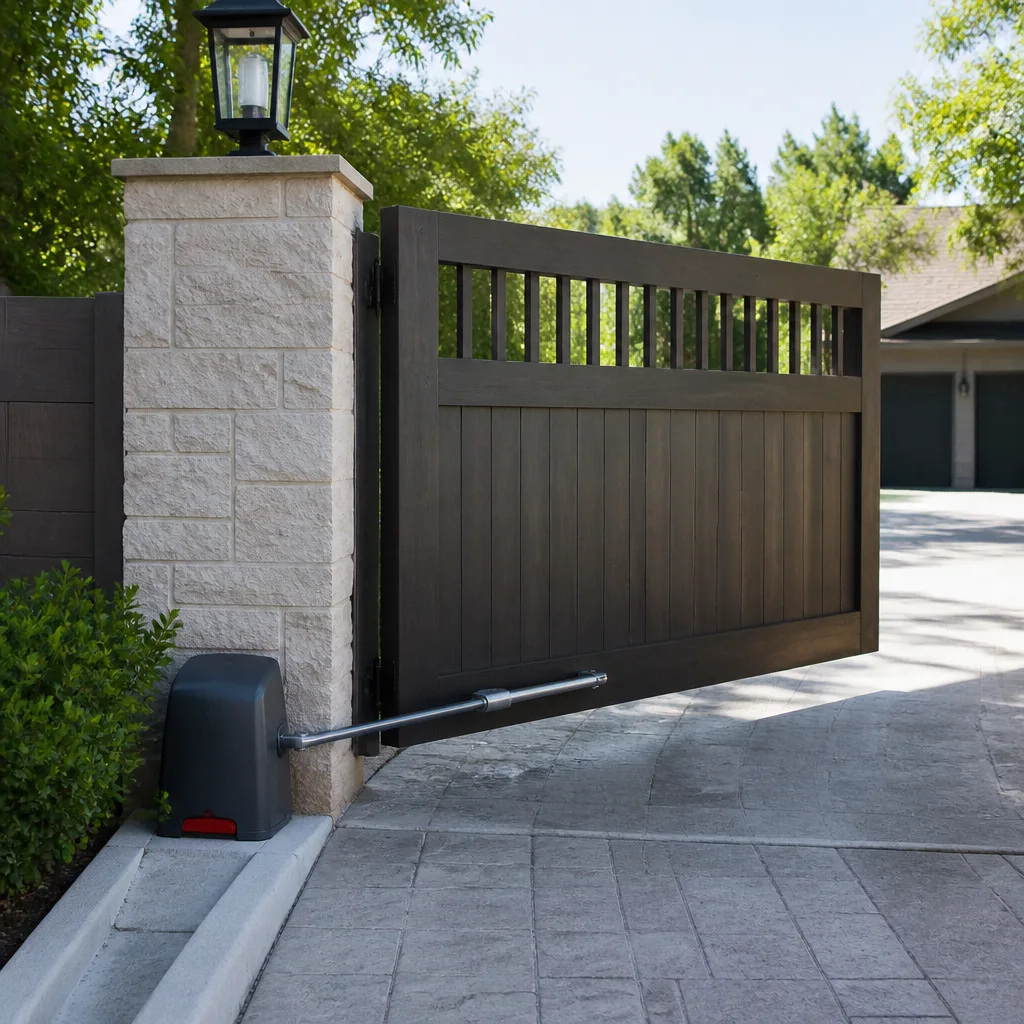 LiftMaster operators
Free on-site gate assessment - hinges, posts, and your LiftMaster or Nice gate operator checked before anything is quoted
The assessment is free and the quote is the invoice.
Get your free estimateDIY vs Professional Gate Repair: The Pittsburgh Homeowner’s Decision Guide
Most gate repair videos online teach you how to replace a part. Almost none teach you how to figure out which part actually failed. That gap matters more than any wrench in your toolbox. A homeowner who swaps a remote receiver when the real culprit is a dying control board has spent money to confirm the gate still doesn’t work. The DIY-or-professional question for gate repair in Pittsburgh isn’t really about skill level. It’s about diagnosing the failure category correctly before you touch anything, and knowing which categories are safe to handle yourself. This guide gives you that framework: what you can fix, what you shouldn’t, and how Pittsburgh’s climate, brands, and housing stock change the answer.
Quick Answer
You can safely handle a narrow set of gate problems yourself: remote and keypad reprogramming, battery replacement on solar or standalone operators, hinge and roller lubrication, and manually releasing the gate during an outage. Everything else – control boards, limit switches, safety-reverse sensors, and any work on a 120V-wired operator – belongs with a trained technician. When you’re unsure which category your problem falls into, a professional diagnostic is almost always cheaper than the part you’d buy guessing.
Styles & brands we work with
- Wrought iron
- Wood & steel frame
- Farm & ranch
- Sliding driveway gates
- LiftMaster operators
Table of Contents
- The Decision Framework: Diagnose the Failure Category First
- Tools-Free Repairs Almost Anyone Can Do Safely
- Repairs That Look DIY-Friendly (But Aren’t)
- How Your Gate’s Brand Changes the DIY Math
- Safety-Reverse Systems and UL 325: Why Sensors Aren’t a Hobby
- The Liability Question for Commercial Properties
- Pittsburgh Conditions That Fool DIY Diagnoses
- What a Professional Diagnostic Actually Looks Like
The Decision Framework: Diagnose the Failure Category First
Before you decide DIY or professional, sort the problem into one of five failure categories. The category, not your confidence, determines who should be doing the work. This is the single most useful step in the whole process, and it’s the one YouTube skips.
- User-side controls. Remotes, keypads, wireless entry codes, battery backups. These are modular, low-voltage, and swappable. DIY-friendly.
- Mechanical hardware. Hinges, rollers, tracks, the physical gate leaf. Lubrication and visual inspection are safe. Swapping hinges or repairing a sagging leaf starts to require judgment about load and alignment.
- Operator electronics. Control boards, receivers, limit switches, motor windings. Even when it looks like a simple part swap, the diagnosis is the hard part and the wrong guess can cascade into further damage.
- Safety and sensing. Photo eyes, loop detectors, safety-reverse edges. These are code-critical components, not accessories, and misalignment or field adjustments can defeat the purpose of the safety system entirely.
- Wiring and power. Any 120V circuit, transformer, or in-ground loop wiring. This is licensed electrical territory and not homeowner work on an automated gate.
Categories one and two are sometimes safe for a careful homeowner. Categories three through five are where the DIY conversation should stop. Not because you can’t hold a screwdriver, but because getting the diagnosis right requires knowing how that specific operator fails. A LiftMaster board that won’t power up and a FAAC board with the same symptom can have completely different root causes, and in our experience that’s where the real repair cost lives. If a gate is stuck right now, gate repair is the fastest path to a working gate and a fixed price. Both are worth more than a return to Google at ten at night.
Tools-Free Repairs Almost Anyone Can Do Safely
There is a real list of jobs a Pittsburgh homeowner can do without specialized tools, and it’s shorter than the internet suggests. Here’s what’s genuinely in reach, along with what to check before you start.
- Remote reprogramming. A remote that stops working after a power blip or a battery change usually just needs to be re-paired. Check your operator’s manual for the pairing sequence; it typically involves a “learn” button on the housing and pressing the remote nearby. If the remote battery is fresh and reprogramming fails across multiple remotes, that’s a receiver symptom, not a user error.
- Battery replacement. Solar and standalone operators, including many Mighty Mule and Ghost Controls units, run off rechargeable batteries. In Pittsburgh’s variable winters, a weak battery shows up first as erratic behavior, then as a gate that won’t move at all. Swapping the battery is safe and often the whole fix.
- Battery backup testing. If your operator has a backup battery, test it before winter, not during an outage. A dead backup you discover mid-snowstorm is a bad trade.
- Manual release operation. Every automated gate has a manual release key or lever so you can open it by hand during a power failure or a fault. Learning where it is and how it works is not a repair, but it’s the single most useful thing you can do. Practice it once when everything is working so you’re not learning under stress.
- Hinge and roller lubrication. A squeaking or dragging swing gate often just needs a proper lubricant on the hinges and a clean track on a slider. Wipe the old grit off first, then apply a light lubricant sparingly. This is low-risk maintenance that extends hardware life.
- Visual inspection and clearing debris. Leaves, ice, and grit accumulated in a track will stall a slider. Cleared debris plus a fresh visual check for loose bolts and worn rollers solves more “my gate stopped working” calls than any homeowner expects.
If a fix from this list resolves the symptom and it stays resolved, you’ve saved yourself a service visit. If it resolves it for a day and the symptom returns, that’s not a swap that didn’t work. That’s a diagnostic signal that something upstream is failing.
Repairs That Look DIY-Friendly (But Aren’t)
These are the jobs where a confident homeowner gets into trouble. Each one looks like a simple adjustment, and each one can either defeat a safety system or turn a modest repair into a control-board replacement.
- Limit switch adjustment. A gate that stops short on opening or closing is a classic limit-switch symptom, and the adjustment looks easy in tutorials. But limit switches are calibrated against the specific operator’s travel profile. An over-adjusted switch can drive the gate into the hard stop and stress the motor or gearbox. What looks like a ten-minute fix can end with a bent bracket and a stalled operator.
- Safety-reverse sensor alignment. Photo-eye sensors must see each other across the opening, and they must actually reverse the gate when blocked. Nudging them until the error light clears is not the same as verifying the safety function. If you haven’t physically tested the reverse cycle, you’ve muted the system, not fixed it.
- Any work on 120V-wired operators. Automated gates run on line voltage somewhere in the system. Opening the housing to trace a power fault is not homeowner work, no matter what the video shows. That’s an electrical safety issue first and a gate issue second.
- Loop detector troubleshooting. In-ground vehicle loops fail for reasons as varied as a cracked wire, a shifted loop, or a bad detector card. Diagnostics require a meter and knowledge of what a healthy reading looks like. Guessing is how a card gets fried.
- Control board swaps by symptom. A gate that won’t respond to any input looks like a dead board, but it’s just as often a blown fuse, a bad receiver module, or a low battery on a solar operator. Replacing the board when the fuse was the culprit takes a routine repair and turns it into a needless part spend.
The pattern across all of these is the same: the symptom is common to multiple causes. Being able to distinguish them is the actual skill in gate repair. It isn’t the ability to turn a screw.
How Your Gate’s Brand Changes the DIY Math
Not all gate operators are equally DIY-accessible. The brand on your gate plays a big role in how far a homeowner should reasonably go, and it’s a factor Pittsburgh-area homeowners rarely consider before they start.
Open-platform residential systems. Brands like Mighty Mule and Ghost Controls are designed for residential installs and often come with solid homeowner documentation, clearly published parts, and pairing procedures you can follow. A LiftMaster residential swing operator is generally in this camp too, particularly for remote and receiver work. If you’re going to attempt a fix yourself anywhere, this is the safest place to start.
Commercial and proprietary systems. FAAC and BFT operators, along with commercial DoorKing systems, are a different story. Programming is often done with dealer tools, boards are engineered with diagnostic paths that assume professional tooling, and the manuals are written for installers. A homeowner can swap a battery or clear debris, but going further usually isn’t productive. There are field-adjustable limit configurations you can change with a screwdriver, but you can’t easily verify travel limits or force readings without the right meter, and that’s the difference between an adjustment and an accident.
We work on LiftMaster, FAAC, BFT, Linear, Viking, Ghost Controls, DoorKing, Elite, and Mighty Mule systems specifically. That matters for DIY in a practical way: when a homeowner calls us after a failed self-repair, the brand tells us where to look first. A LiftMaster receiver issue and a FAAC board fault produce very different diagnostics on the first visit. If your gate is a proprietary commercial unit, we’d rather you didn’t go past the manual release. That’s not a sales line. It’s the honest answer for that category of hardware. When you need brand-specific help, electric gate repair is where to start.
Safety-Reverse Systems and UL 325: Why Sensors Aren’t a Hobby
If you take one section of this guide seriously, take this one. Automated gates are designed to stop or reverse when something blocks them. That safety function is what makes it acceptable to have a heavy gate moving under motor power. When a homeowner “fixes” a photo eye by nudging it until the error clears, or adjusts a force setting to stop nuisance reversals, the gate may run, but the safety system may no longer do its job. That’s a real hazard for anyone on the property, and it’s true whether the gate serves a family driveway or a commercial lot.
Here’s the practical rule we give people on the phone in Pittsburgh. You can test the safety function yourself, and you should, regularly. You can manually open and close the gate by hand and clear obstacles from the path. You should not be field-adjusting sensor alignment, force settings, or safety edges on your own. If the gate is failing to reverse or the sensor light won’t stay steady, that’s a professional call. It’s also the category where a quick tech visit is worth the cost, because what’s being verified is safety, not just function.
We can’t diagnose a safety system over the phone, and neither can a video. A trained technician can verify the reverse function actually works, confirm the sensors are aligned to the right target, and check that no setting was left disabled during a previous DIY attempt. That’s the difference between a gate that appears to work and a gate that is safe.
The Liability Question for Commercial Properties
For a property manager, the DIY conversation is not just about safety and cost. It’s about compliance and liability, and those considerations change the calculation entirely.
Commercial automated gates and barrier arms are typically specified against UL 325, the standard that governs entrapment protection on gate operators. That standard is why the unit has photo-eye sensors, safety edges, or both, and why those features are supposed to be verified. When a property manager or a maintenance crew adjusts safety sensors or modifies operator settings without documented verification, the compliance of the system as installed is thrown into question. If someone is injured because a gate didn’t reverse as it should have, and it turns out the safety system was field-modified, the liability picture is very different from a system that was professionally serviced.
For commercial systems, we recommend:
- Keep any adjustments and repairs with a technician who can document what was done and verify the safety function after the work.
- Never disable a safety feature because it’s causing nuisance reversals. That’s a signal the sensor needs realignment, not that the sensor is unnecessary.
- Have the safety system verified after any change to wiring, sensors, or the control board, and keep a record of it.
- Treat a commercial gate failure as a call to a specialist, not a maintenance task. The downtime cost of a well-diagnosed repair is lower than the exposure from a field modification.
We work on FAAC, BFT, DoorKing, and Elite commercial systems as a routine part of our work, and we know what a compliant installation looks like. For a property manager in Pittsburgh coordinating a gate issue across a multi-family property, that’s the standard to hold a repair to.
Pittsburgh Conditions That Fool DIY Diagnoses
Local conditions are one of the most underrated variables in DIY gate repair, and Pittsburgh’s climate makes several symptoms misleading. Understanding that saves a lot of wrong guesses.
- Freeze-thaw cycles. Pittsburgh gets real seasonal swings, and ground movement from freezing and thawing is rough on gate hardware. A swing gate can settle enough over winter to cause drag, misalignment, or a slider that binds on one section of track. A homeowner sees “the motor is weak” and replaces the operator. The actual cause is mechanical drag and a gate leaf that needs adjustment, not a new operator.
- Winter battery behavior. Cold reduces the delivered capacity of batteries, so a marginal battery on a solar-powered Mighty Mule or Ghost Controls operator works fine in October and fails in January. A battery swap is genuinely DIY-safe here, but if the replacement dies the following winter, the system has a charging or sizing problem, not a battery problem.
- Door and hinge hardware. The wet, variable winters accelerate wear on hinge and roller surfaces. That’s the reason lubrication matters more in Pittsburgh than in a dry climate, and it’s why a well-lubed gate genuinely lasts longer. It’s also the reason a sudden loss of smooth operation in spring is more likely to be hardware than electronics.
- Summer heat and boards. A control board that’s marginal can fail intermittently in summer heat, then work fine on cooler days. That intermittent failure pattern looks like a user error to a homeowner and a heat-related board fault to a technician. Don’t buy a board based on one symptom in July. Get it checked.
- Wet-season photo-eye nuisance trips. Photo eyes that are slightly misaligned work through the dry weeks and start tripping every time it rains. The fix is proper alignment, not disabling the sensor. If your gate only acts up in wet weather, that’s a sensor alignment or housing issue.
If a symptom tracks with the weather, it’s almost always a physical condition on the gate or its hardware, not a part that needs replacing. Knowing that saves the wrong purchase. It also means the fix is often cheaper than the novice suspects.
What a Professional Diagnostic Actually Looks Like
A useful diagnostic visit isn’t someone looking at your gate and guessing at a board. It’s a structured walk-through that ends with an actual cause and a fixed price. Here’s what we do, and what you should expect from any gate specialist you book.
- Confirm the symptom and its history. When did it start, does it happen every time, and does it track with weather or with the gate’s position? This step lines up the candidate causes before anyone opens a housing.
- Verify the mechanical condition first. We check the gate leaf, hinges, rollers, and track for drag, binding, or alignment problems. Mechanical drag masquerading as an electrical fault is one of the most common misdiagnoses, whether a homeowner made it or a general contractor did.
- Test electrical and control inputs. We verify the input path from remote, keypad, and loop to the control board with the right meter readings, so we know which link in the chain failed. This is the step that separates a diagnosis from a guess.
- Confirm the failure against the brand’s known behavior. We work with nine brands, and each has failure patterns its technicians learn to look for first. A LiftMaster board with one symptom and a FAAC board with the same symptom are not the same diagnosis.
- Verify the safety function after any repair. The gate is tested against its safety-reverse behavior before we call it fixed. A gate that runs but doesn’t reverse is not repaired in our book.
- Give you the written estimate before any work. You approve the price before we start. No surprise parts or added labor after the fact.
That’s also the structure that reduces repeat service visits. When a technician diagnoses the root cause and confirms it, and the safety function is verified, you don’t get the same failure back in three weeks. Most of the calls we get about a gate that “keeps breaking” are really about an earlier repair that fixed a symptom, not the cause. A proper diagnostic that finds the cause is the single best reason to call a specialist who works on Pittsburgh gates every day. One specialist, your exact brand, the right fix the first time.
Common Mistakes to Avoid
- Buying parts before confirming the cause. A receiver module, a fuse, or a board can cause the same “no response” symptom, and a new part that doesn’t fix the problem is money spent on eliminating a possibility. Confirm the failure first, whether that means a meter reading or a technician’s diagnosis.
- Adjusting the safety sensors until the error clears. This is the single most common DIY mistake and the most consequential one. The correct goal is that the gate reverses when blocked, not that the light turns steady. A misaligned sensor risks a crush or entrapment event that costs far more than the repair.
- Turning the force setting up instead of fixing the drag. In a Pittsburgh winter, a gate that stalls is usually a mechanical binding issue or a cold battery, not a weak motor. Raising force settings to overcome drag reduces the safety margin and stresses the operator. Fix the drag first.
- Assigning an electrical failure when the cause is mechanical. The gate leaf that binds in cold weather is a classic version of this. It causes the operator to work harder, and a homeowner misreads the strained sound as a motor problem. Check the hardware before condemning the electronics.
- Working inside a 120V operator housing. No tutorial makes line-voltage work safe for a homeowner, and a gate repair guide that suggests it isn’t trustworthy. The line side of the operator is electrician territory, and a trained technician is the safer call.
- Doing commercial safety work yourself. For a property manager in Pittsburgh, a field modification to a UL 325 safety system is a compliance and liability issue, not a cost save. The correct call is to a technician who can document what was done.
- Treating a manual release as a repair. Manually releasing the gate is a temporary measure to get you through an outage, not a fix. If the manual release worked and the gate then failed again the moment you re-engaged it, the fault is still there. Get the actual cause checked before attempting the operator again.
See the difference
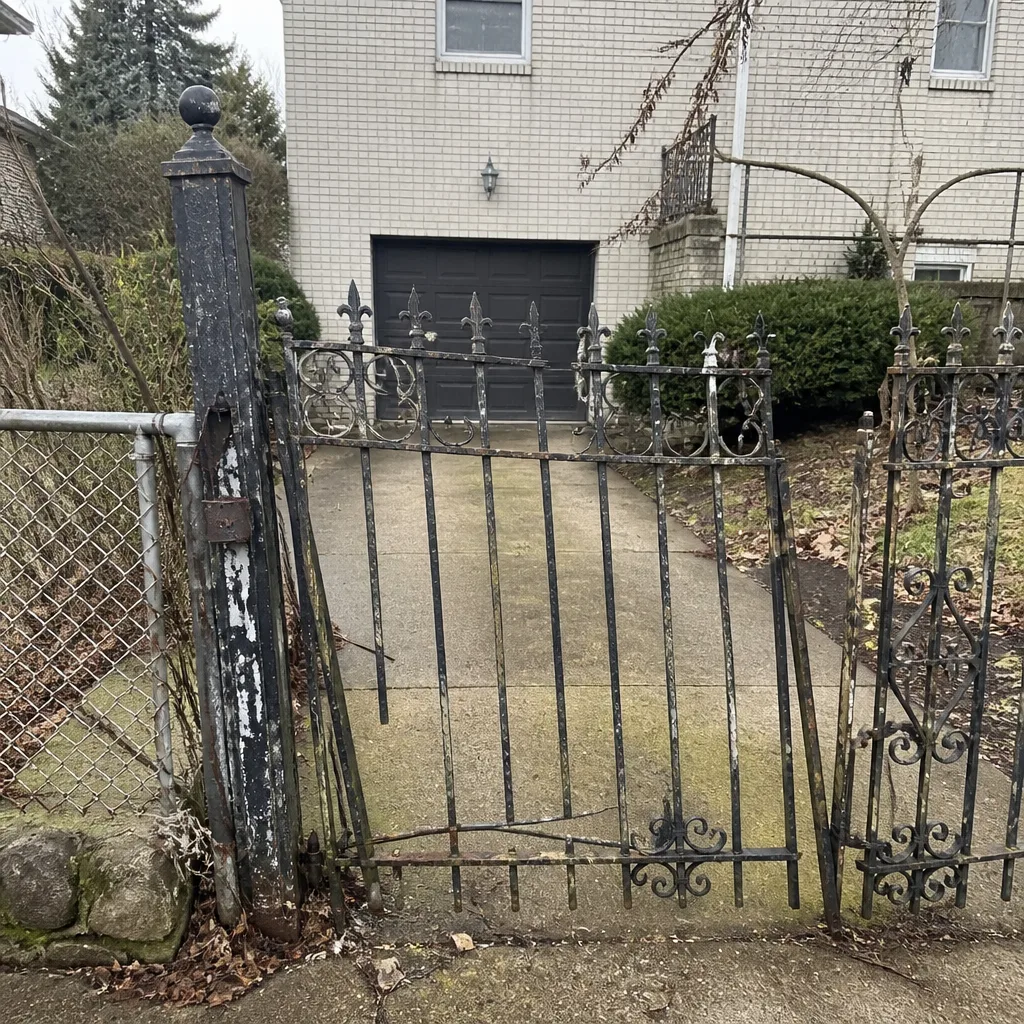 Before
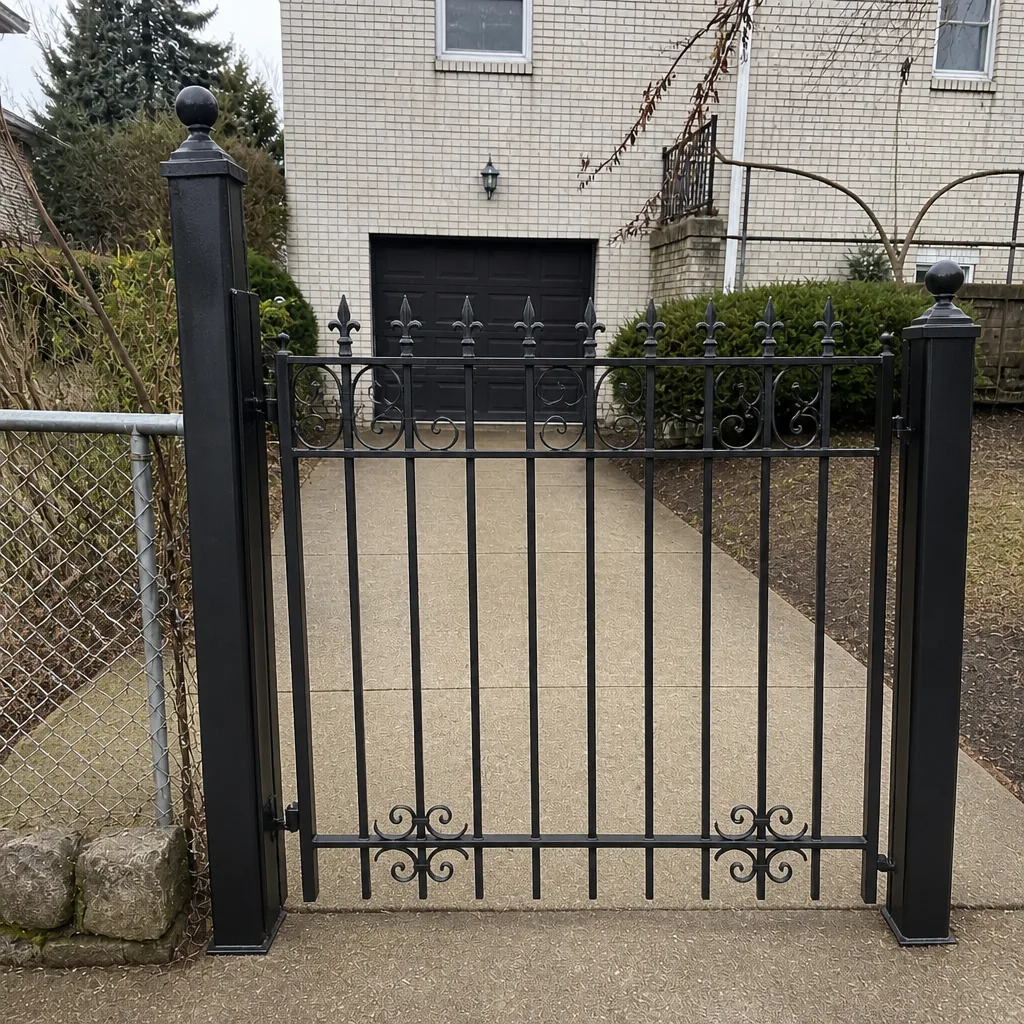 After
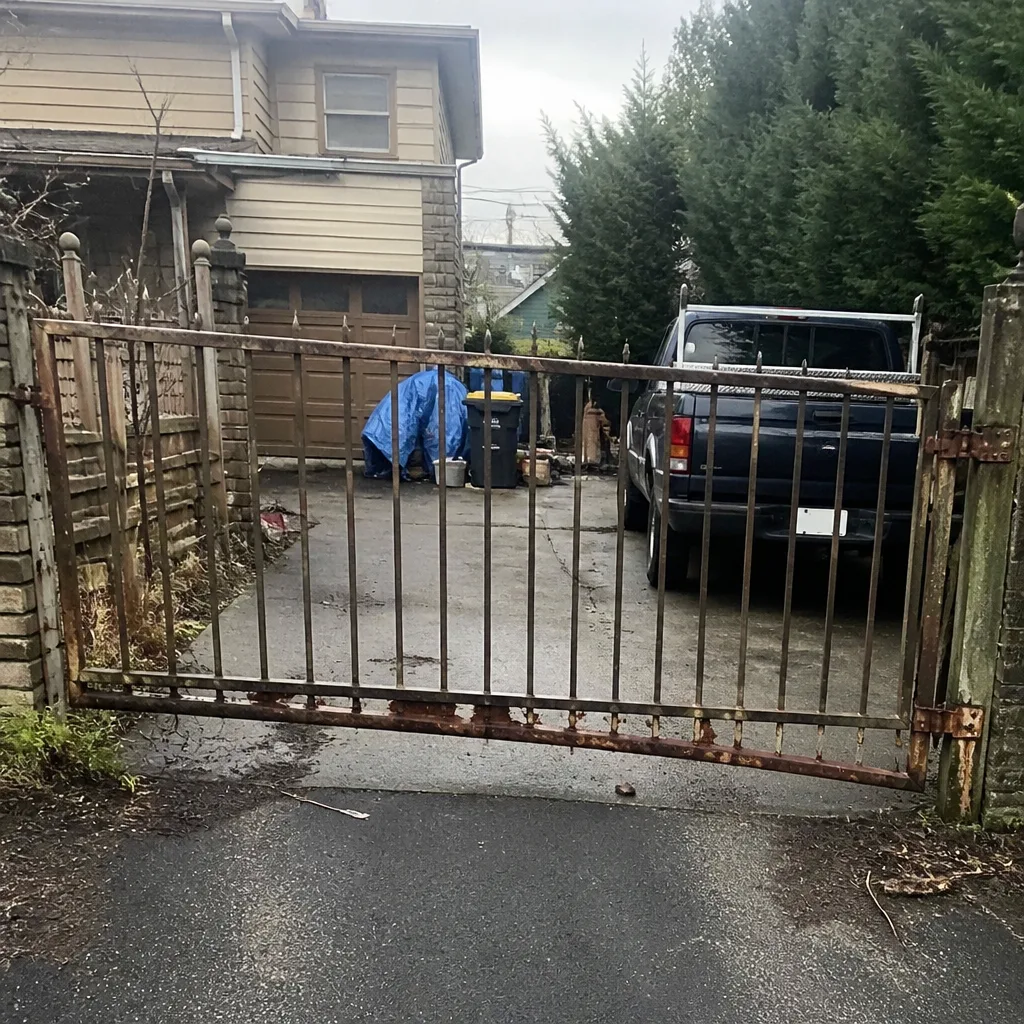 Before
 After
 Before
 After
When to Call a Professional
Call a professional when the failure falls into operator electronics, safety sensing, or any wiring category. Call when a DIY fix works and then fails again, because that’s a diagnostic signal, not bad luck. Call when the gate won’t reverse on a blocked path, when a board or sensor is involved, when the operator is a proprietary commercial unit like FAAC, BFT, or DoorKing, or when the gate serves a commercial property and the safety system is code-critical. For Pittsburgh homeowners and property managers alike, a vehicle gate that’s down is really a security and access question, and getting it properly diagnosed is the cheapest path through. Gate Repair Pittsburgh offers free estimates in Pittsburgh – call (866) 361-7838. We answer 24/7. Fast dispatch from 7am to 7pm, Sunday through Friday.
Frequently Asked Questions
You should not replace a control board on your own. The board is usually the most expensive single component in the operator, and misdiagnosing it costs you the part plus a second visit, while the real cause may be a fuse, a receiver module, or a low battery. Our technicians diagnose by brand-specific failure patterns rather than trial and error, which is the difference between a one-visit fix and repeat spending. Call (866) 361-7838 for a free estimate.
A battery problem usually shows up as slow, erratic, or inconsistent movement, and it’s most common on solar or standalone operators in cold weather. A board problem tends to show up as no response to inputs, a dead display, or a repeated error code. Both can look alike in a single moment, so check the battery first if the unit is battery-powered, and if replacement doesn’t fix it, call (866) 361-7838 for a free estimate.
No, particularly on the safety-reverse system. Nudging the sensors until the error clears does not verify that the gate actually reverses when blocked, and a sensor that’s been muted introduces a real hazard. Testing the reverse function by manually blocking the gate is fine and worth doing regularly, but adjustment and confirmation belong with a trained technician. Call (866) 361-7838 for a free estimate.
They do. Residential and open-platform systems such as Mighty Mule, Ghost Controls, and LiftMaster residential operators have published parts and pairing procedures, so homeowner-level tasks like remote reprogramming and battery swaps are realistic. Proprietary commercial systems including FAAC, BFT, and DoorKing use dealer tools and installer-focused manuals, so even basic adjustments should go to a technician familiar with the brand. We work on all nine brands, and we’ll tell you which category your system falls in. Call (866) 361-7838 for a free estimate.
You can get a gate repaired in any season. In Pittsburgh, winter is when many failures show up, but the repairs that matter most in cold weather – battery replacement, mechanical drag, hinge lubrication, sensor alignment – are all things technicians handle regardless of temperature. Waiting for spring usually just costs you access and safety in the meantime, which matters if the gate is your only vehicle access. Call (866) 361-7838 for a free estimate.
It can, and that’s the reason to think twice. Commercial automated gates and operators are designed against UL 325, and a field modification or unclear sensor adjustment can leave the installed safety function in question. If an injury follows, that question matters for liability. For commercial and multi-family properties, having a technician who documents the repair and verifies the safety function afterward is the safer course. Call (866) 361-7838 for a free estimate.
The Bottom Line
The DIY question for gate repair really comes down to whether you can diagnose the failure category correctly. You can safely swap batteries, reprogram remotes, lubricate hinges, and use the manual release. You should not touch control boards, safety sensors, or any 120V-wired operator, in Pittsburgh or anywhere else, no matter how clear the tutorial looks. The diagnostic step that tutorials skip is the one that matters most, and a specialist who diagnoses by brand and confirms the root cause saves you the cost of guessing. One specialist, your exact brand, the right fix. When you’re ready for a diagnosis and a written price, call (866) 361-7838. We answer 24/7. Fast dispatch from 7am to 7pm, Sunday through Friday. For more on our Pittsburgh service, see Gate Repair Pittsburgh, and call for a free estimate today.
Written by the team at Gate Repair Pittsburgh.