
Last updated November 14, 2026
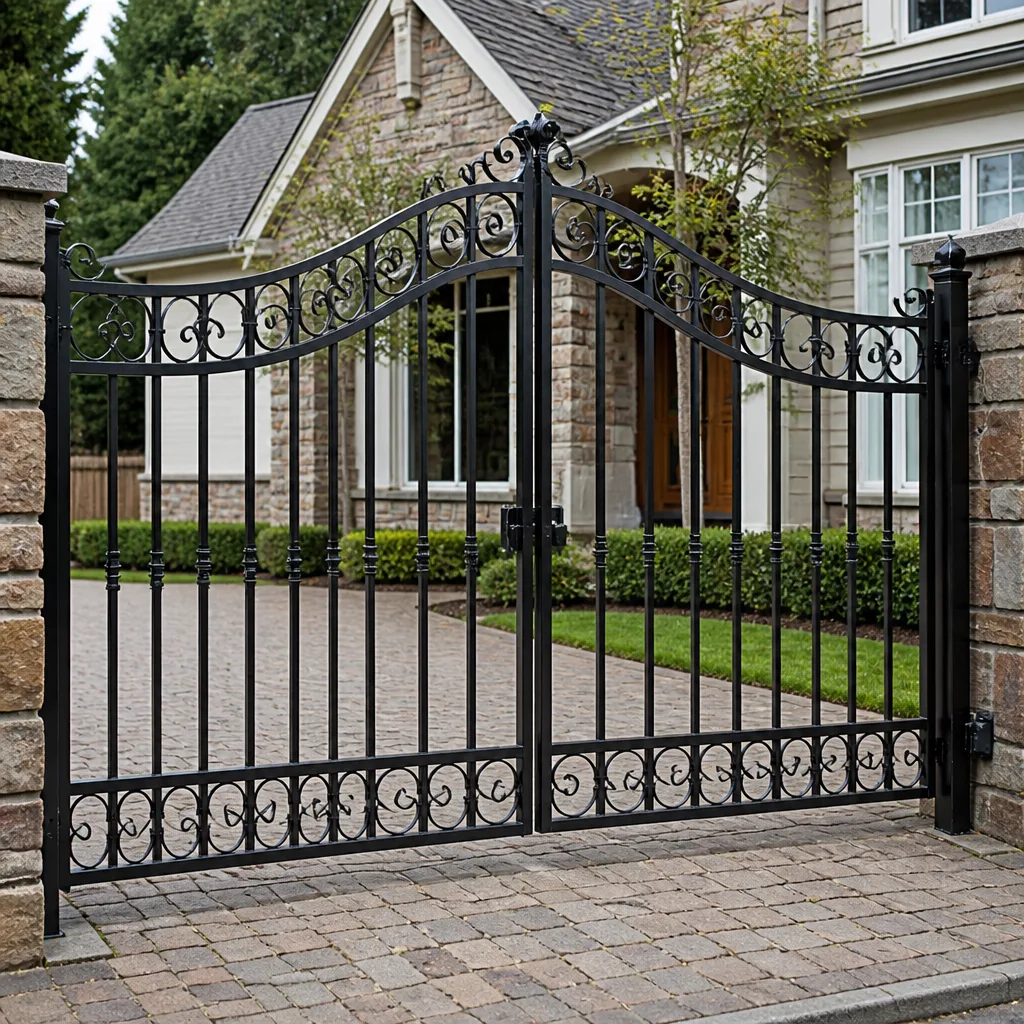 Wrought iron
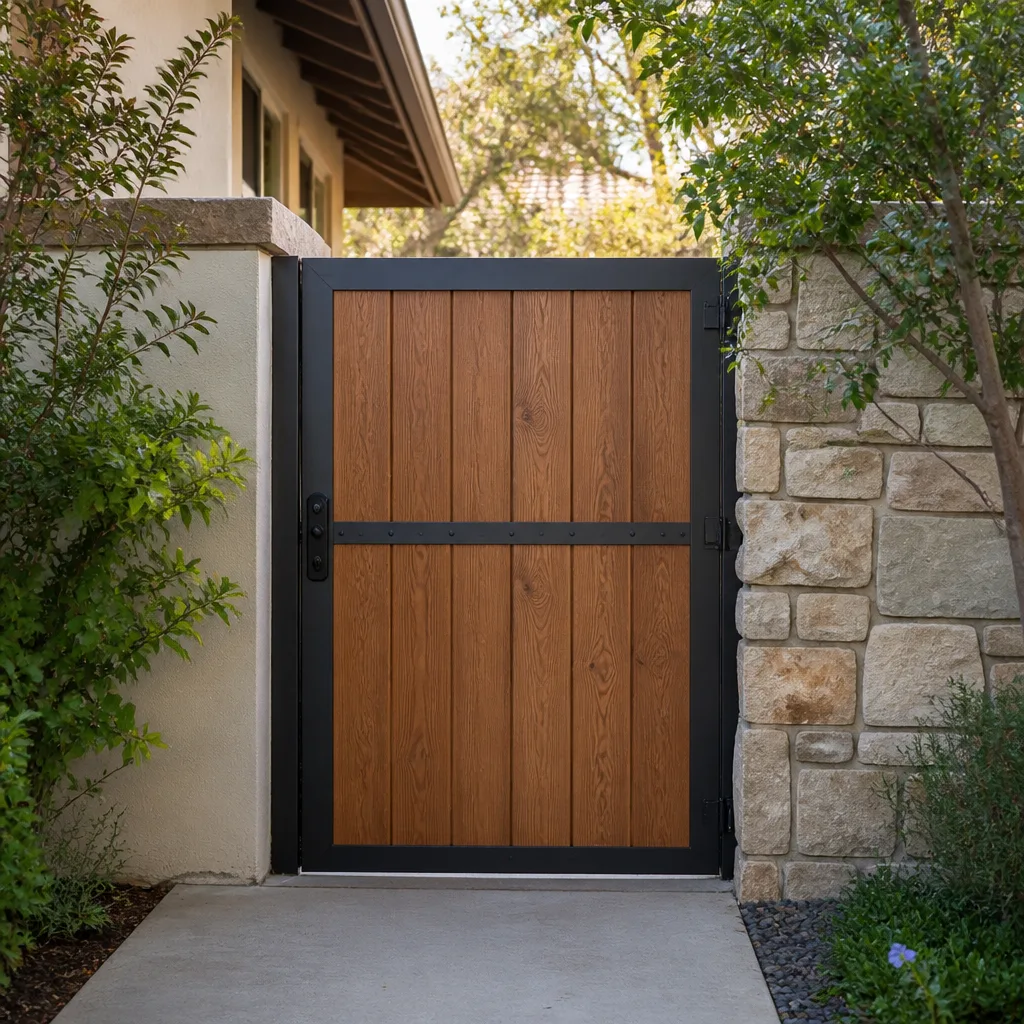 Wood & steel frame
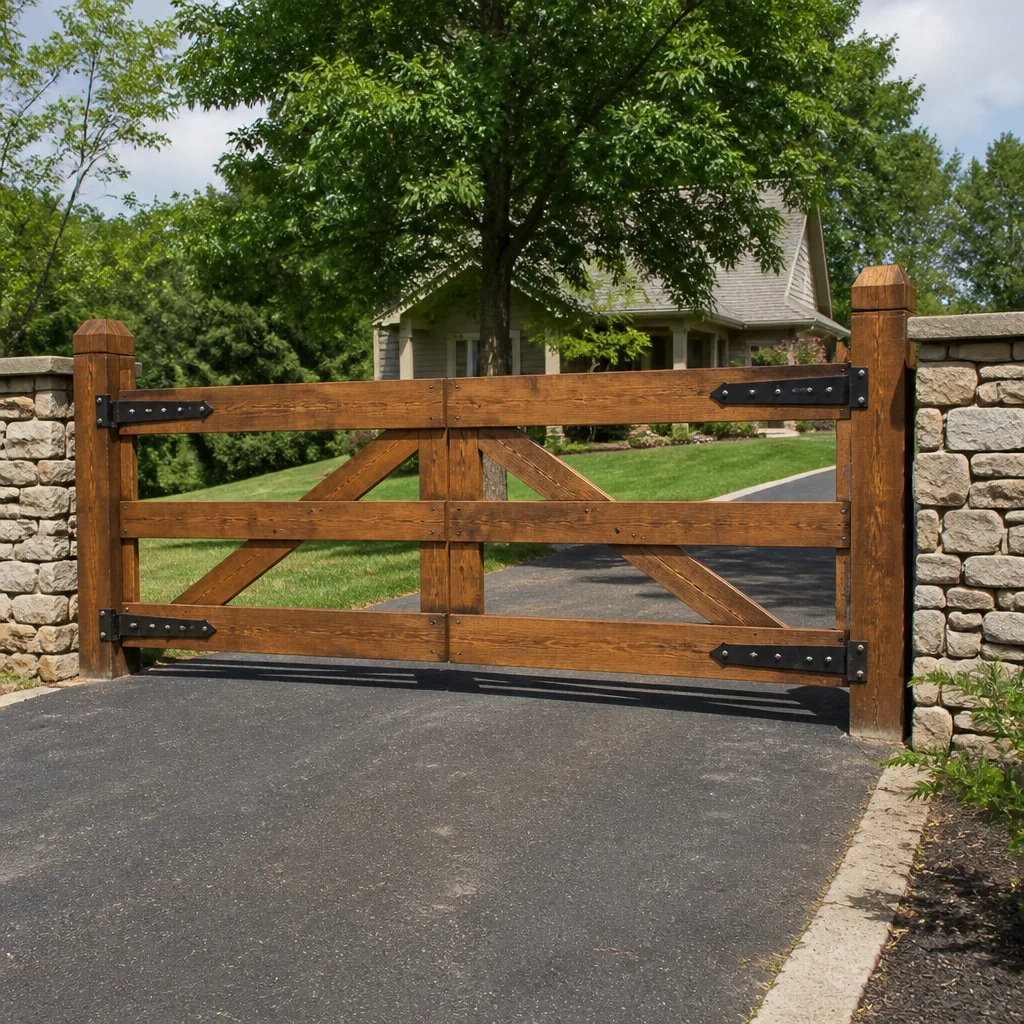 Farm & ranch
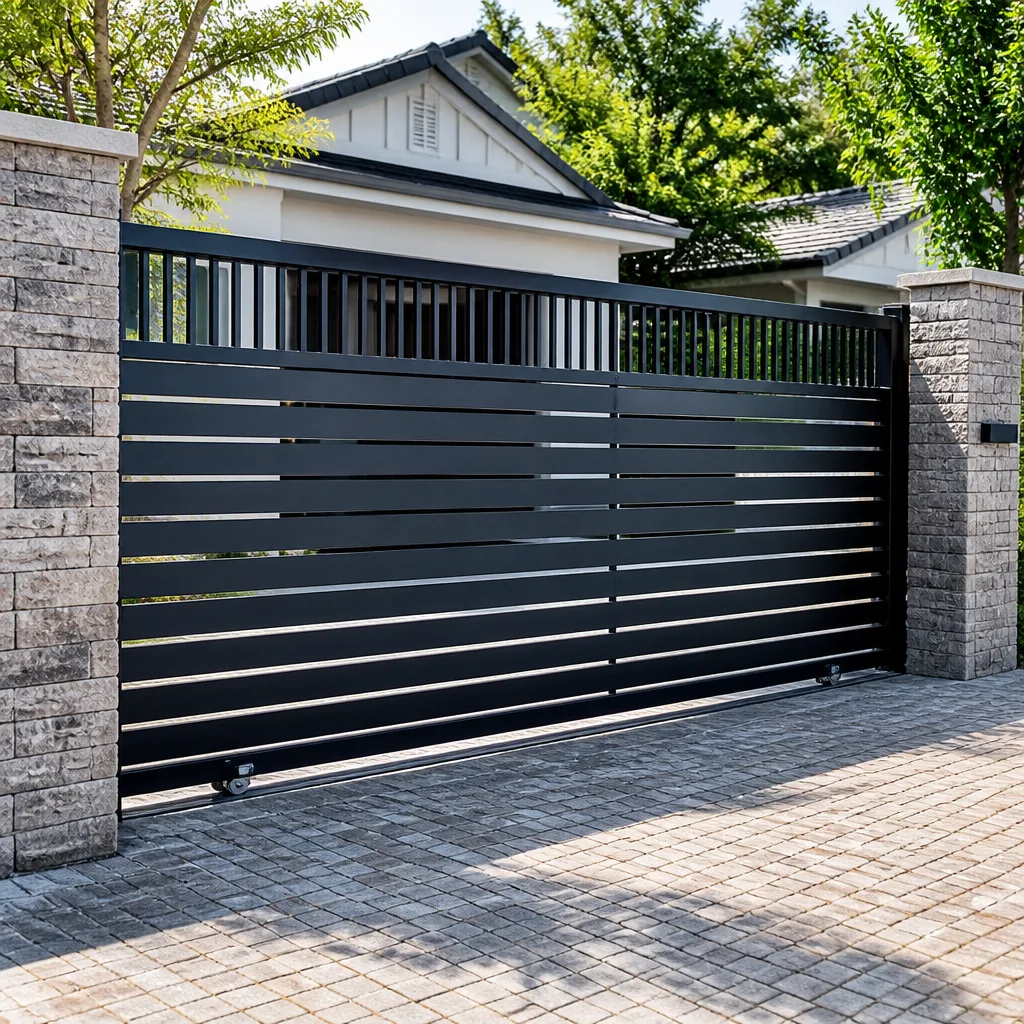 Sliding driveway gates
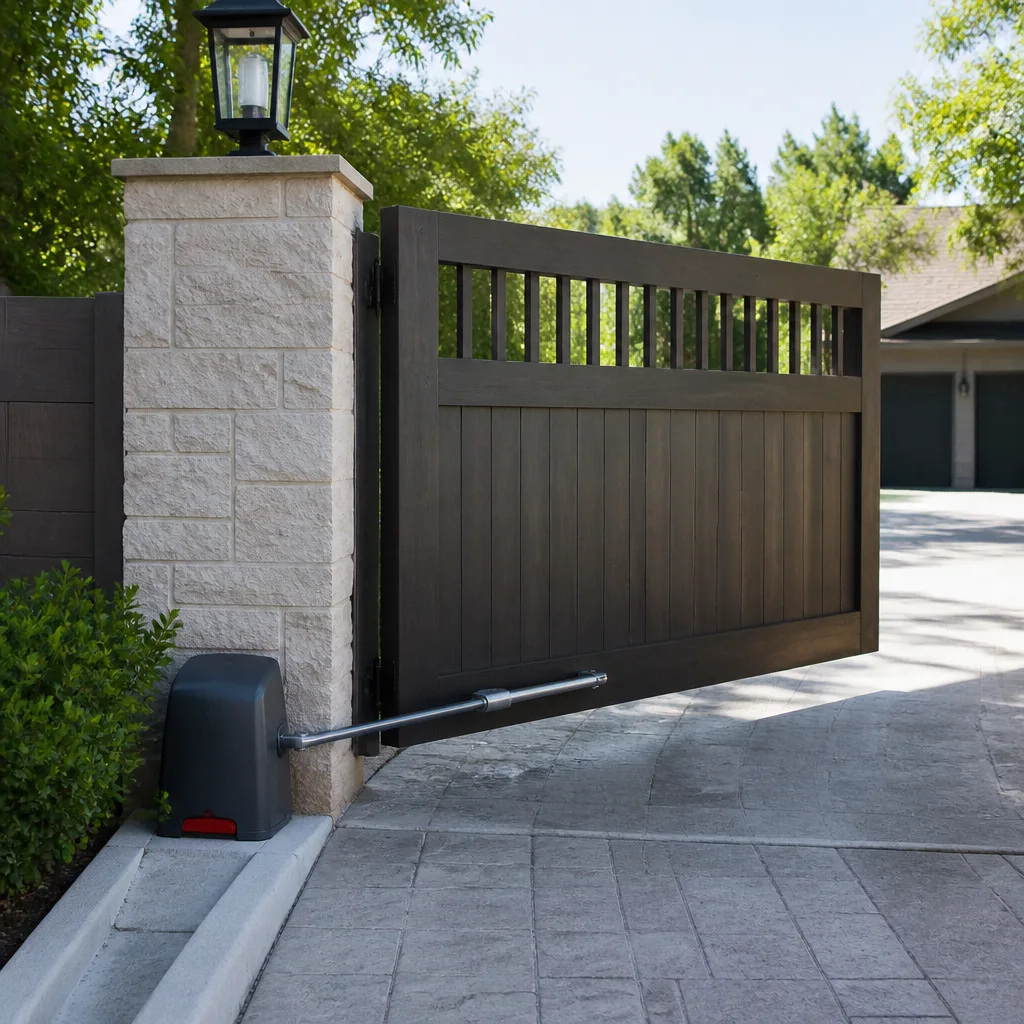 LiftMaster operators
Free on-site gate assessment - hinges, posts, and your LiftMaster or Nice gate operator checked before anything is quoted
The assessment is free and the quote is the invoice.
Get your free estimateChoosing the Right Gate Repair Brand: A Buyer’s Guide for Pittsburgh
Most people buy a gate operator the way they buy a phone: they read reviews, compare specs, and pick the one with the most stars. That works fine until February, when a control board gives out and the replacement is sitting in a warehouse in another state. The brand that looked good on paper suddenly looks a lot less appealing. What actually matters for a gate in Pittsburgh is whether local technicians can get the part, whether the unit handles freeze-thaw cycles, and whether the control system is open or locked down. This guide walks through all three, so you can pick a brand you won’t regret in year seven.
Styles & brands we work with
- Wrought iron
- Wood & steel frame
- Farm & ranch
- Sliding driveway gates
- LiftMaster operators
Quick Answer
The best gate brand for a Pittsburgh property is the one your local technician can actually repair, with a control system that isn’t locked to a single supplier and cold-weather performance that holds through freeze-thaw cycles. For most light residential driveways, LiftMaster and Mighty Mule are smart starting points. For commercial and multi-tenant access, FAAC, BFT, DoorKing, and Elite are the brands that hold up. Price and brand recognition matter far less than parts availability and repair flexibility over a ten-year horizon.
Table of Contents
- Why Parts Availability in Pittsburgh Should Drive Your Brand Choice
- Cold-Weather Performance: What Survives a Pittsburgh Winter
- Proprietary vs. Open-Platform Control Systems
- Brand Recommendations by Use Case
- Warranty Terms and What “Authorized Service” Really Means
- How Brand-Specific Diagnostics Reduce Repeat Visits
- Common Mistakes to Avoid
- When to Call a Professional
- Frequently Asked Questions
Why Parts Availability in Pittsburgh Should Drive Your Brand Choice
When a gate operator fails, the repair has two parts: diagnosing the fault and getting the replacement component. The second is where brand selection matters most, and it’s the part buyers rarely think about until they’re standing at a dead gate.
Some brands have deep regional distribution. Their control boards, arm assemblies, hinges, and safety edges sit on shelves in warehouses that serve western Pennsylvania, so a technician can often pull a part the same day. Other brands are sold primarily online, ship from out of state, and carry lead times that stretch when a specific board revision is back-ordered. In a Pittsburgh winter, where a stuck gate can mean a driveway you can’t get out of, a ten-day lead time is a real problem.
Here’s how to think about it:
- Locally stocked brands – Parts are usually available within a day or two, so repair turnaround stays short. LiftMaster falls into this category for most residential and light commercial installations.
- Regionally distributed brands – Distributors in the region carry common parts, though specialty components may take a few days. FAAC and BFT sit here for commercial installs.
- Online-first brands – The best-known example is Mighty Mule, where the trade-off is very affordable hardware in exchange for parts you often have to order. That’s not a dealbreaker for a light residential driveway, but it’s worth knowing.
Before you buy, ask the installing technician one question: “If the control board fails in three years, how fast can you get a replacement?” The answer tells you more about long-term cost than any spec sheet. If you’re already dealing with a dead gate and want to know what’s involved, our electric gate repair page covers what a diagnostic visit looks like.
Cold-Weather Performance: What Survives a Pittsburgh Winter
Pittsburgh’s winters bring freeze-thaw cycles, not just cold. That distinction matters. A gate operator rated for cold temperatures will run in January, but the components that fail most often aren’t the motor – they’re the ones that expand, contract, and freeze in place.
The parts that take the beating in a Pittsburgh winter:
- Limit switches and their mounts – Repeated freeze-thaw can shift the housing slightly, throwing off the limit set and causing the gate to stop short or reverse.
- Hinges and pivot points – Moisture in a hinge, then a hard freeze, then operation, is how you get a bent hinge or a stripped gear.
- Control board connectors – Condensation inside an enclosure that cycles cold then warm can corrode pins and terminals.
- Batteries in solar and backup units – Cold reduces capacity sharply. A Mighty Mule or Ghost Controls solar setup that ran fine in October may not make it through January without attention.
- Safety loops and detectors – Moisture intrusion into loop sealant or a detector enclosure can cause false triggering.
Real-world performance varies. LiftMaster operators tend to be reliable in cold residential installs because their enclosures and connector designs handle moisture well. Viking units are known for durable mechanicals, though the specific model matters. US Automatic has a loyal following for gate hardware but the operator line has a smaller regional footprint, which is worth weighing against parts availability. FAAC and BFT, both European-designed commercial brands, generally handle cold well but benefit from a proper enclosure seal and a check of the board connectors before the first freeze. Mighty Mule is most sensitive to cold, especially battery-backed units, and benefits from a winter check of batteries, limit switches, and hinge lubrication.
None of that is a reason to rule a brand out. It’s a reason to know what to watch. A pre-winter check of the operator, hinges, and safety devices is the cheapest insurance you can buy against a January repair.
Proprietary vs. Open-Platform Control Systems
This is the single most overlooked factor in gate brand selection, and it’s the one that saves or costs you the most money over time.
A proprietary control system means the manufacturer controls the parts and often limits who can service it. If a board fails, you may be locked into the manufacturer’s replacement part at the manufacturer’s price, and in some cases the manufacturer will only sell through authorized channels. An open-platform system uses standard components that any trained technician can source and replace, sometimes with aftermarket equivalents that cost less and last just as long.
Over a ten-year horizon, here’s how the math shifts:
- Year 0 – A cheaper proprietary unit looks like the better deal. It often is, up front.
- Year 3-5 – First board or operator failure. With a proprietary system, you’re paying for a specific part, sometimes with a lead time. With an open system, the technician has options.
- Year 6-10 – Second or third failure. By now, the proprietary system may be discontinued or the parts thin out, forcing a whole-unit replacement. The open system is still repairable.
The punchline: the most repairable brand is often worth more than the cheapest unit. Consumers who buy on price alone and never ask about parts availability often end up replacing hardware prematurely. If you’re weighing repair against replacement right now, that’s exactly the trade-off we walk through on our gate repair page – new hardware only when it genuinely makes more sense than repair.
Brand Recommendations by Use Case
There’s no single “best” brand in the abstract. The right brand depends on what the gate is doing and who’s operating it. Here’s how we’d segment it.
Light Residential (single driveway, swing or slide)
Mighty Mule and Ghost Controls are common here – affordable, well-documented, and DIY-friendly. The trade-off is parts ordering and a shorter service life under heavy use. Linear is a solid step up for a light residential install with better local parts support.
Heavy Residential (long driveway, high wind exposure, frequent use)
LiftMaster is the practical pick here – parts are stocked regionally, the operator line is well understood, and it handles a long swing arm without stress. Viking is a good alternative where a heavier mechanical build is the priority.
Multi-Tenant (condos, apartment entrances, HOA gates)
DoorKing and Elite are built for this. Both support access control integration, loop detectors, keypads, and the entry systems multi-family buildings need. FAAC also fits here where the gate itself is heavier. This category is less about the motor and more about the access control electronics that drive the gate.
Commercial Access Control
FAAC, BFT, DoorKing, and Elite are the brands we see most in commercial work, and each has its strengths. FAAC and BFT are strong on heavy sliding gates and high-cycle operations. DoorKing and Elite shine where access control, telephone entry, and vehicle detection are the core requirement. If your property is a commercial or multi-family Pittsburgh installation, brand-specific support matters more than any single feature comparison.
We work on all nine of the brands we’ve named here and elsewhere on the site. When we look at a system, we’re checking the operator, the board, the safety edges, and the access control layer together, because a “gate failure” is rarely just the gate.
Warranty Terms and What “Authorized Service” Really Means
Warranty terms matter, but not in the way most buyers assume. A five-year warranty is only useful if you can actually get service under it without waiting a week and driving to a depot.
Here’s what to look at:
- Length vs. applicability – A longer warranty that only covers the motor is worth less than a shorter one that covers the board, operator, and arm. Read the fine print on what’s excluded.
- Who performs the repair – Many brands specify that service must be performed by an authorized provider for the warranty to remain valid. If your chosen technician isn’t on that list, a covered failure may not be covered after all.
- Parts shipping – Even a valid warranty claim can come with a shipping delay if the part isn’t locally stocked. That’s the same trap as the no-warranty case, just less expensive.
- Labor coverage – Almost every warranty covers the part and not the labor. A “covered” repair still has a real cost.
The takeaway: warranty terms are worth comparing, but only alongside parts availability. A three-year warranty with local parts beats a five-year warranty with a two-week lead time in most Pittsburgh setups.
How Brand-Specific Diagnostics Reduce Repeat Visits
A gate that “won’t open” can be the operator, the control board, the safety loop, a keypad, the remote receiver, or simply a hinge that’s seized. The reason brand knowledge matters is that different operators fail in different ways, and an experienced technician can often narrow the fault before arriving.
Here’s what brand-specific diagnostics usually looks like:
- Identify the operator model – The first step is confirming the model, the revision, and any access control components attached.
- Check known failure patterns – Every brand has quirks. A technician who works on a brand regularly knows which parts fail first and tests those before anything else.
- Test safety devices first – Loop detectors, photo eyes, and edge sensors are the most common source of “won’t close” calls. A brand-specific check clears or confirms the fault quickly.
- Isolate the operator from the board – If the operator runs with the board bypassed, the fault is electrical and the operator is fine. If it doesn’t, the operator is the issue.
- Replace the failing part, not the symptom – Root cause fixing is what prevents the call-back in three weeks.
For a homeowner or property manager, this means fewer repeat visits, faster resolution, and a decision – repair or replace – that’s based on the actual failure rather than guesswork. That’s the reason we focus on gates alone, and it’s the difference between a technician who happens to know a brand and one who knows its failure patterns. You can see that approach in more detail on our Gate Repair Pittsburgh page.
Common Mistakes to Avoid
- Buying for price and not for parts. A cheap unit with no local parts turns into a full replacement in year five. In a Pittsburgh winter, that’s an emergency, not an inconvenience.
- Skipping the cold-weather question. Buyers rarely ask how a model performs in freeze-thaw cycles. The answer determines whether you’re doing maintenance in October or repairs in January.
- Choosing a proprietary control system without realizing the lock-in. If the board can only be sourced from the manufacturer, you pay the manufacturer’s price for as long as you own the gate.
- Assuming a longer warranty is a better warranty. Labor is almost always excluded, and shipping delays apply even to covered parts.
- Ignoring whether the technician is authorized by the brand. An unauthorized repair can void the warranty you were counting on.
- Matching the brand to the gate, not to the use. A residential operator on a multi-tenant entrance will fail early and often. Fit is everything.
- Forgetting the access control layer. Keypads, loop detectors, and remotes are part of the system. A brand that plays badly with access control adds friction and cost.
When to Call a Professional
Some gate issues are safe to diagnose yourself with the manual in hand. Many aren’t. Call a professional if the gate is fully dead and the operator, board, and remote don’t point to an obvious cause, if a safety device is triggering but the fault can’t be cleared, if a hinge or operator arm is bent, or if the gate is moving but not fully closing or opening on its own. Call immediately if a gate is stuck open on a property entrance that needs securing overnight, or if a panel or operator arm has shifted out of position. Do not attempt electrical work on a gate operator yourself. Any repair involving the board, wiring, or power should go to a trained technician, and safety loops and edges should be handled the same way. Gate Repair Pittsburgh offers free estimates in Pittsburgh – call (866) 361-7838. We answer 24/7. Fast dispatch from 7am to 7pm, Sunday through Friday.
Frequently Asked Questions
There’s no single best brand, but for most Pittsburgh residential driveways, LiftMaster and Mighty Mule are the strongest starting points. LiftMaster wins on parts availability and cold-weather reliability. Mighty Mule wins on up-front cost but trades off parts lead times. The right choice depends on your driveway length, weather exposure, and how much access control functionality you need. Call (866) 361-7838 for a free estimate – we’ll walk you through both options.
Yes, in practice. Parts availability affects how fast a repair turns around, and that matters most in a Pittsburgh winter when a stuck gate can mean a blocked driveway. A locally stocked brand usually means a day or two of downtime instead of a week. A brand with long lead times can turn a small failure into a much bigger problem.
Cold weather affects gate operators less through the motor and more through the surrounding components – limit switches, hinges, connector pins, and batteries. Freeze-thaw cycles are harder on a gate than steady cold, because they cause components to shift and moisture to cycle in and out. A pre-winter check of hinges, limit switches, and batteries is the single best defense. Call (866) 361-7838 for a free estimate.
Authorized service means the manufacturer has approved a specific provider to perform repairs that will remain covered under warranty. If a repair is performed by an unauthorized technician, the brand may decline a later claim even if the part itself is still under warranty. Before you commit to a repair, ask the technician whether the brand lists them as authorized. If you’re not sure, call (866) 361-7838 and we’ll tell you what your options are.
Not automatically – it depends on how much you value repairability. A proprietary system locks you into the manufacturer’s parts and pricing, which usually means higher long-term cost. An open-platform system is typically more repairable and often cheaper to keep running. Over ten years, the open system usually delivers better value, even if the up-front price is slightly higher.
Usually, yes. Most operators carry a model plate on the housing or near the control panel. A quick photo of the plate and the control panel tells us the brand, the model, and the likely failure points, so we can prepare before the visit. If you’re not sure, call (866) 361-7838 and we’ll help you locate it. We answer 24/7. Fast dispatch from 7am to 7pm, Sunday through Friday.
The Bottom Line
The right gate brand for a Pittsburgh property is not the one with the most reviews or the lowest price tag. It’s the one with local parts availability, cold-weather performance that handles freeze-thaw cycles, and a control system that can still be repaired in year ten. Match the brand to the use – light residential, heavy residential, multi-tenant, or commercial access – and check the warranty terms alongside the parts situation. When you’re ready to make the call, our teams can diagnose any of the nine gate brands we work on and give you a straight answer on repair versus replacement.
Call (866) 361-7838 for a free estimate. We answer 24/7. Fast dispatch from 7am to 7pm, Sunday through Friday.
Written by the team at Gate Repair Pittsburgh.
See the difference
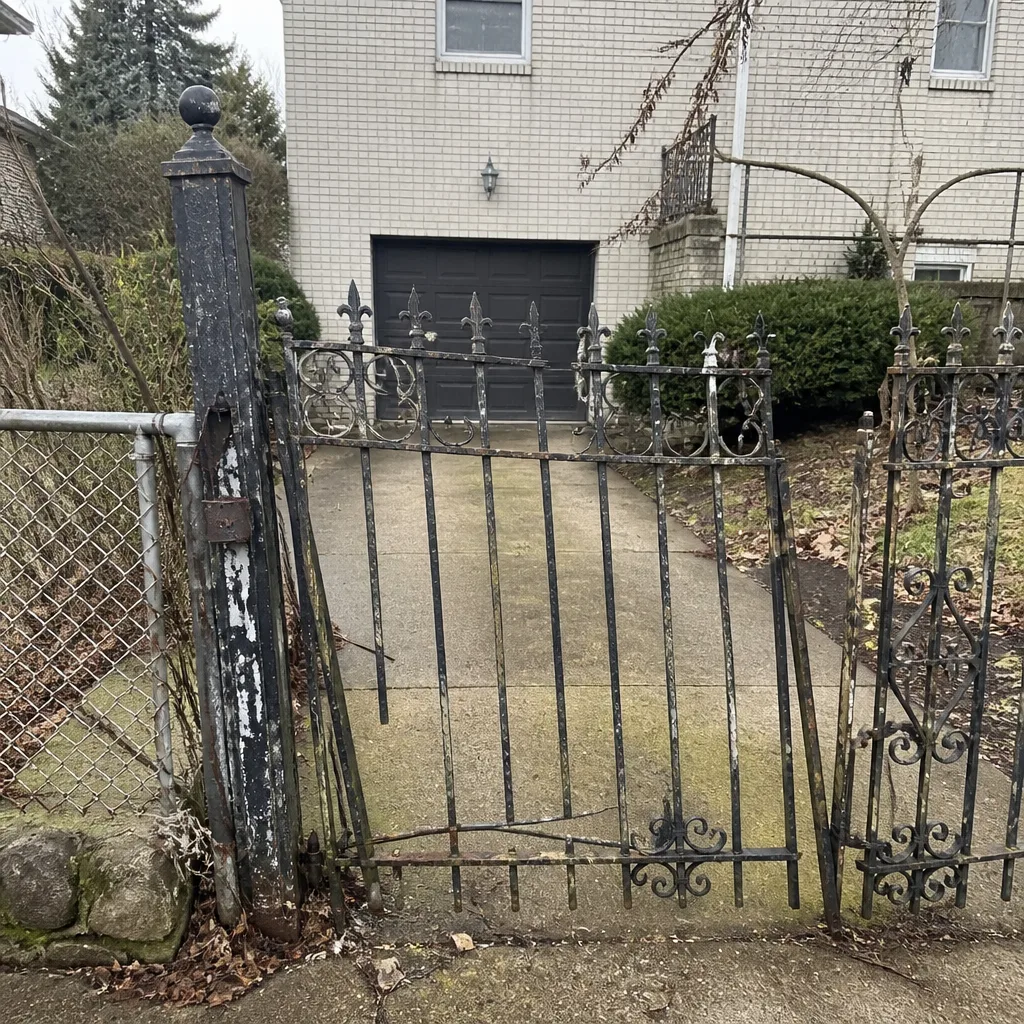 Before
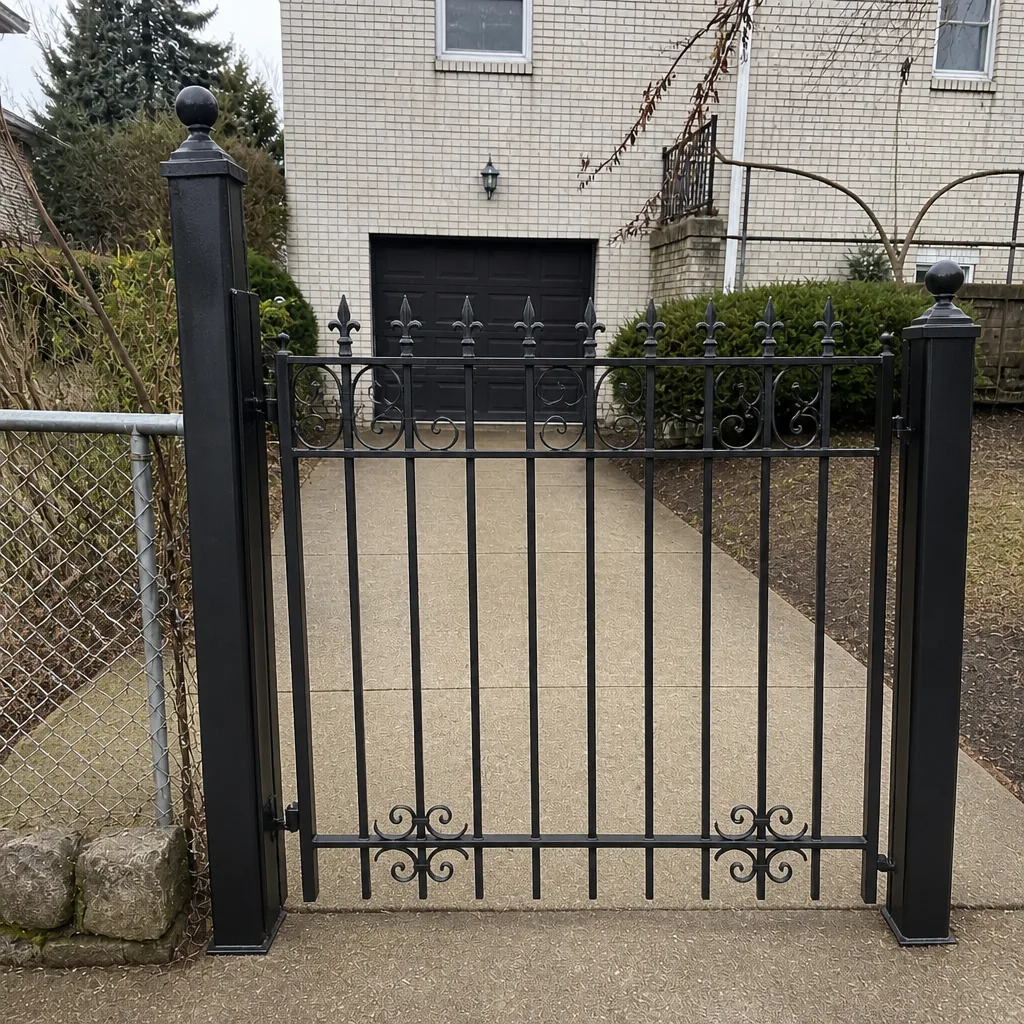 After
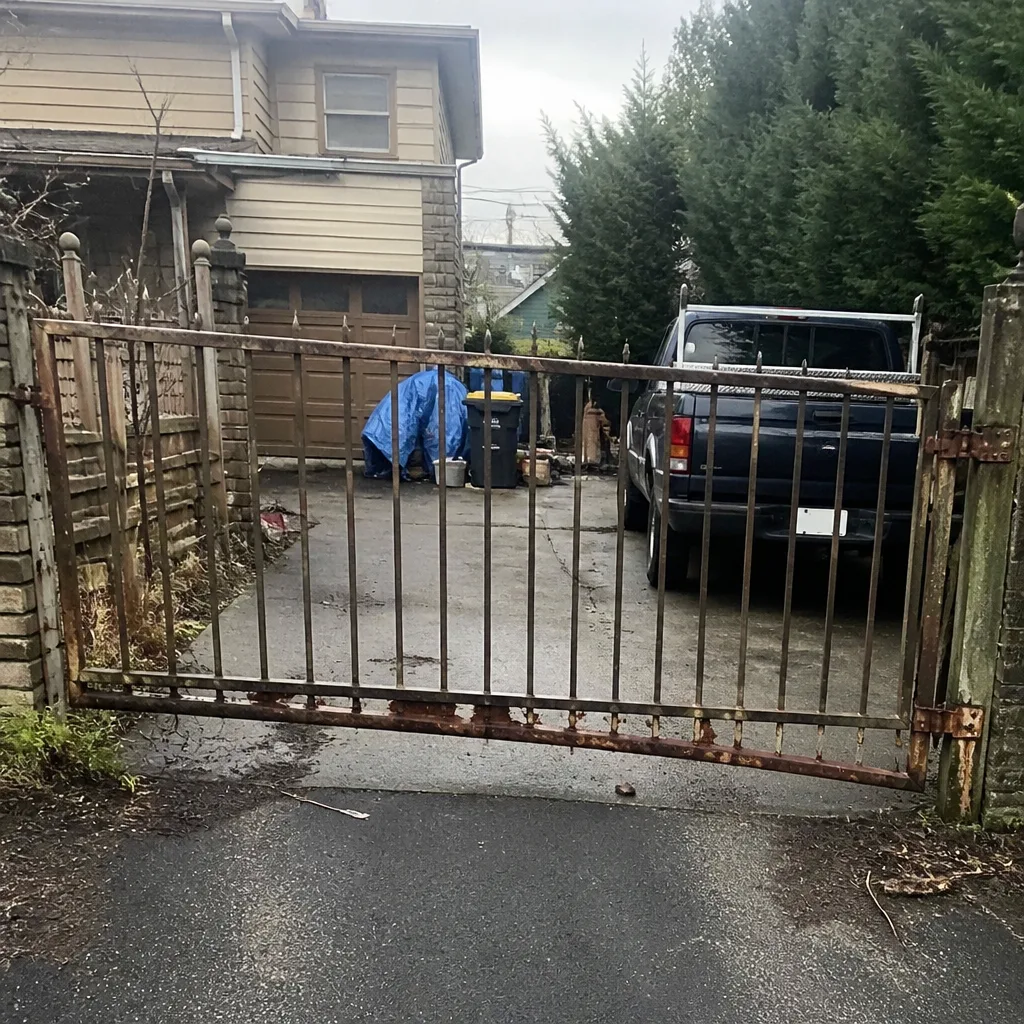 Before
 After
 Before
 After