
Last updated November 14, 2026
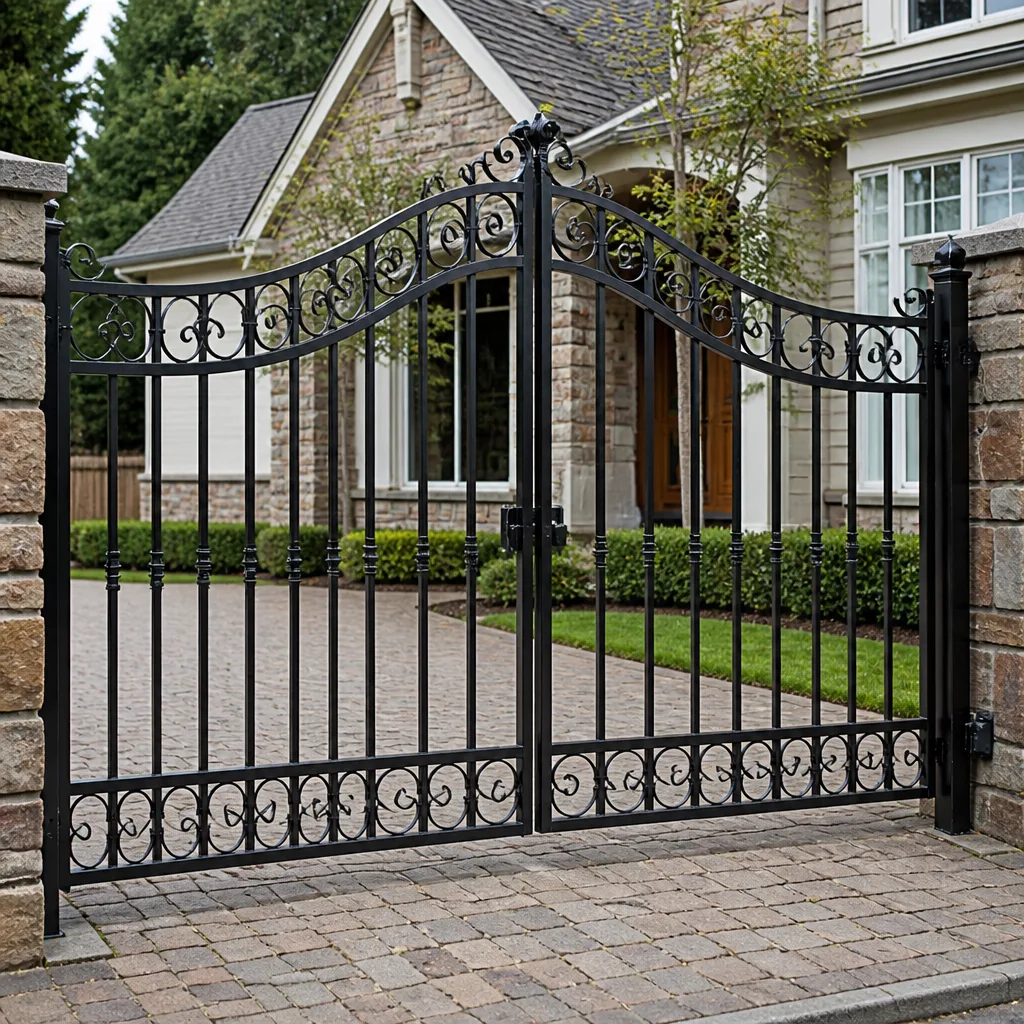 Wrought iron
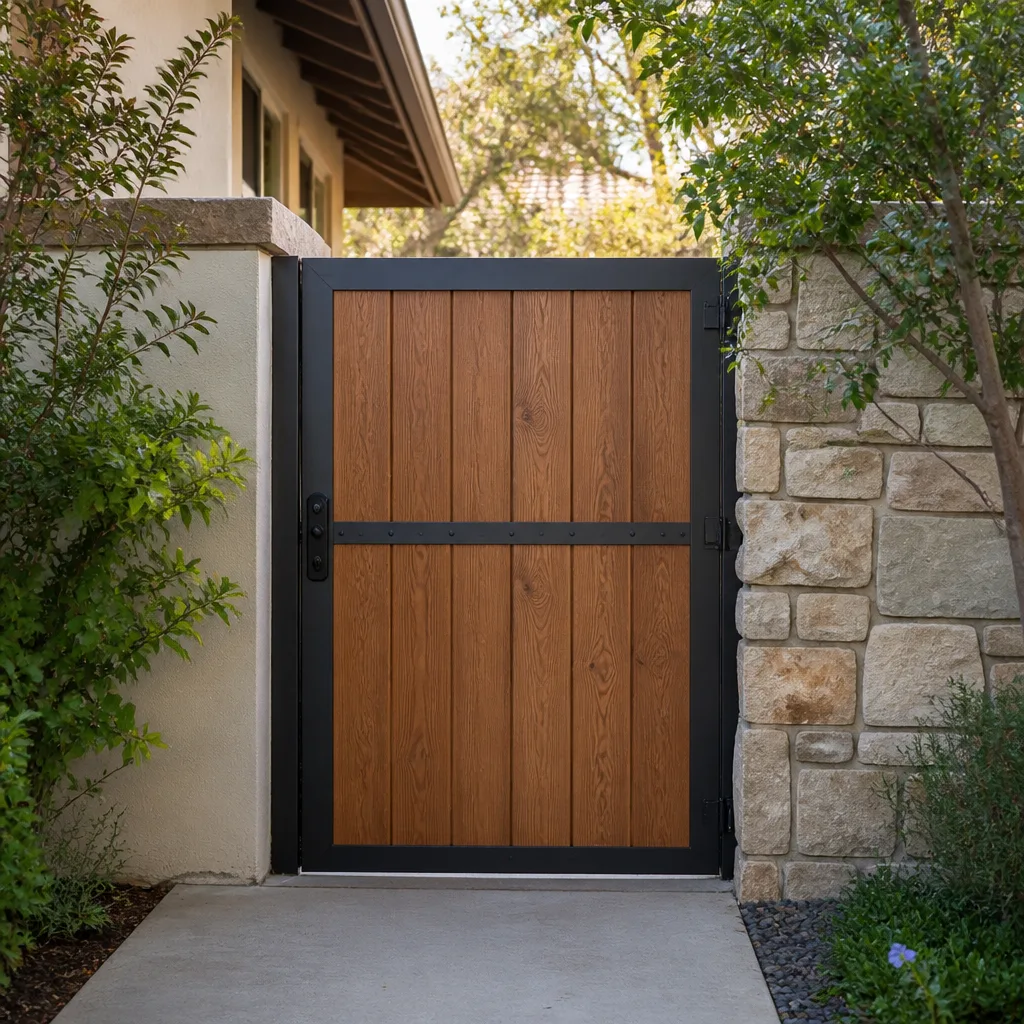 Wood & steel frame
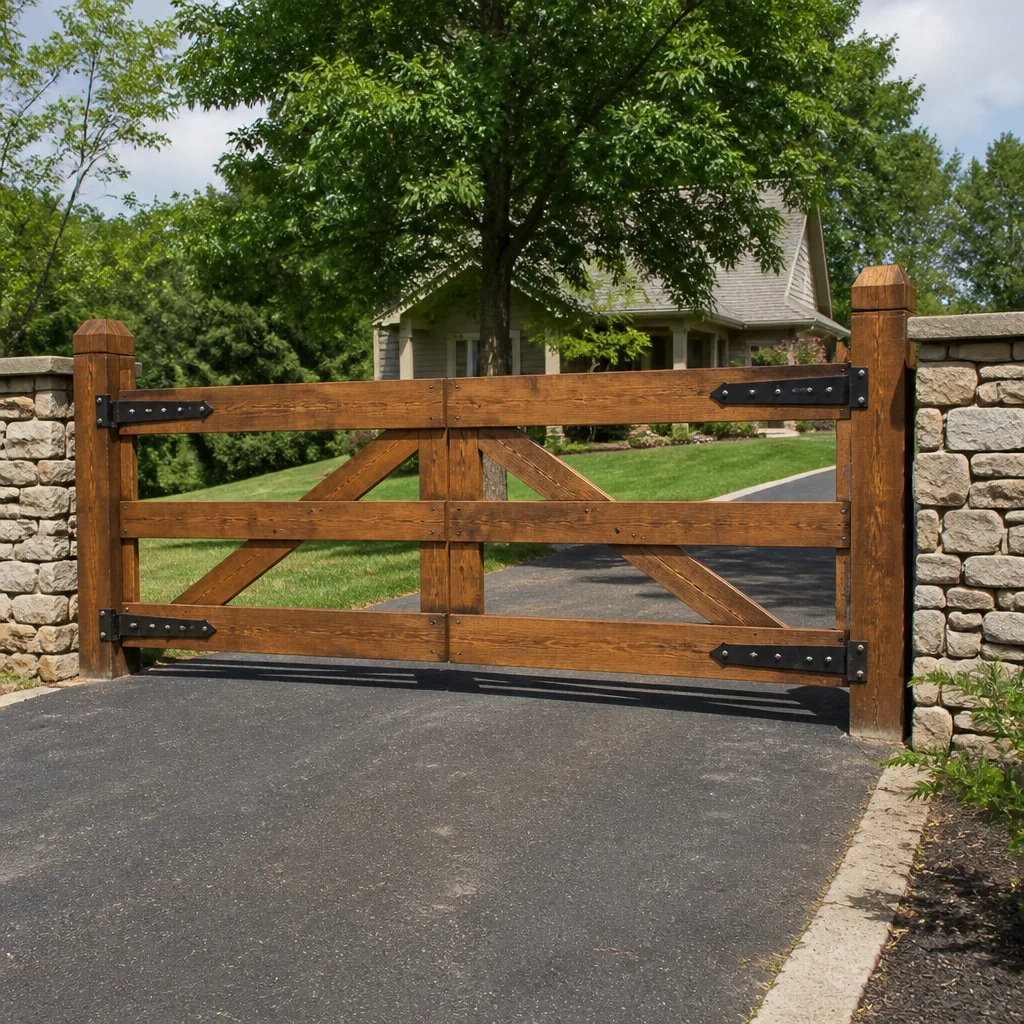 Farm & ranch
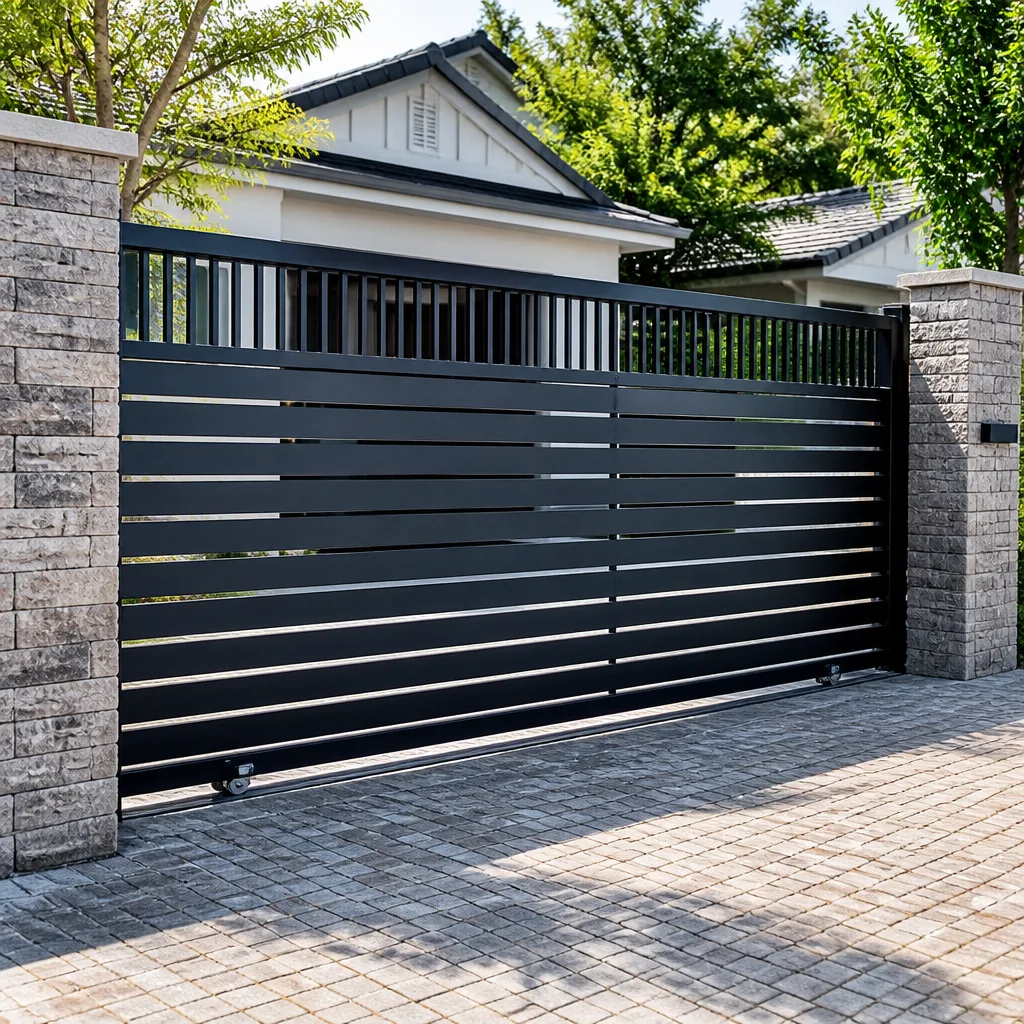 Sliding driveway gates
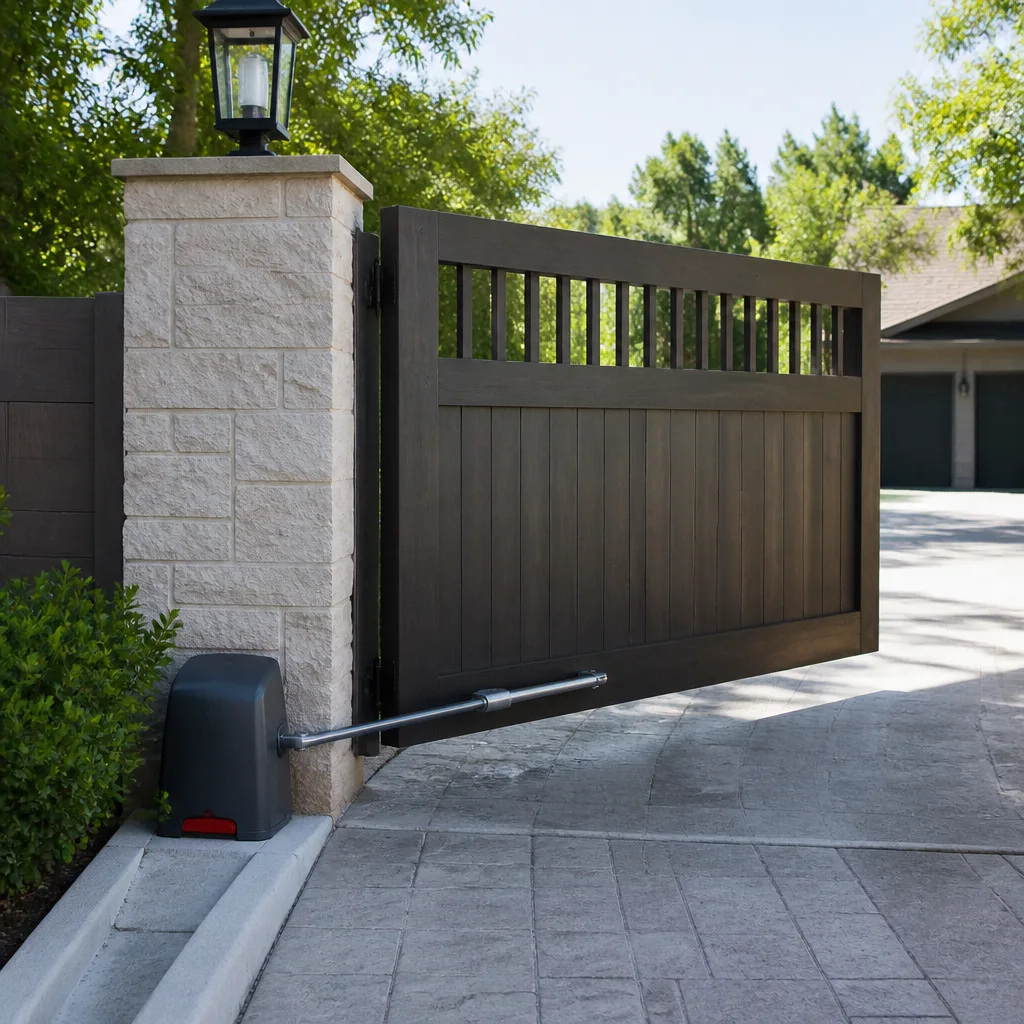 LiftMaster operators
Free on-site gate assessment - hinges, posts, and your LiftMaster or Nice gate operator checked before anything is quoted
The assessment is free and the quote is the invoice.
Get your free estimateHow to Hire a Gate Repair Contractor in Pittsburgh: A Step-by-Step Guide
Most people hiring a gate contractor in Pittsburgh assume the hard part is checking a license and a certificate of insurance. That matters, but it’s not where the money usually goes wrong. The real problem is that a large share of the companies advertising gate repair are fence installers who treat the operator as a side job. Their technician may know exactly how to set a post in our clay-heavy soil, but the control board inside your FAAC or Viking operator is a different discipline entirely, learned somewhere else or not at all. This guide shows you how to tell the two apart before you authorize any work, how to read a quote, and how to structure a service call so you get a written diagnosis before you commit a dollar.
Styles & brands we work with
- Wrought iron
- Wood & steel frame
- Farm & ranch
- Sliding driveway gates
- LiftMaster operators
Quick Answer
To hire a gate repair contractor in Pittsburgh, look for one whose entire trade is gates and their operators, not fencing with gate work tacked on. Ask which brands they work on regularly, how they diagnose before pricing, and whether they manufacture, install, and repair the same systems (specialists do all three, which is why they know the failure patterns). Get a written diagnosis and a fixed scope before any repair is authorized, and confirm insurance directly with the insurer, not just a certificate on file.
Table of Contents
- Why a Gate Specialist Beats a Fence Company
- The Questions That Expose a Generalist
- Brand-Specific Experience: Why It Matters in Pittsburgh
- How to Verify Credentials and Insurance in Pennsylvania
- How to Read a Gate Repair Quote
- How to Structure the Service Call
- Red Flags in a Gate Repair Quote
- Common Mistakes to Avoid
- When to Call a Professional
- Frequently Asked Questions
- The Bottom Line
Why a Gate Specialist Beats a Fence Company
A gate specialist does one thing: gates and the machines that move them. A fence company installs fence and, when a gate comes up, handles it too, often with the same crew that sets posts. That sounds convenient. The trouble is what the operator actually is.
An automated gate is a mechanical system (hinges, rollers, tracks, latches) bolted to an electrical system (a motor, a control board, power wiring, safety devices, and usually a loop detector or keypad). When a gate stops working, the cause could sit in any of those layers. A fence installer who learned the operator “the same day” is guessing at which layer failed. A technician who spends all day on operators has seen the same FAAC board fail the same way a dozen times, and knows what to test first.
Here’s the practical difference you’ll feel as a customer:
- Faster diagnosis. A specialist arrives already familiar with the likely failure points in your brand, rather than running a generic checklist on a system they’ve rarely opened.
- Fewer repeat visits. Fixing the symptom (a gate that won’t close) without finding the root cause (a failing loop detector or a misadjusted limit) means the gate will fail again. Brand-aware diagnostics catch the cause, not just the noise.
- One contractor for the whole life of the gate. Installation, repair, and emergency service without sourcing a second company later. That continuity is why we handle the full lifecycle, from new installs to the call at 9pm when a gate won’t respond.
- No divided expertise. Gate work is the entire trade for a specialist. For a general fence contractor, it’s the small tail on a large dog, and the tail gets less attention than the dog.
None of this is a knock on fence installers doing what they’re good at. It’s about matching the job to the trade. When the thing that’s broken is an operator and a control board, you want the company whose whole day is operators and control boards.
The Questions That Expose a Generalist
You can separate a gate specialist from a fence generalist with a handful of questions, asked on the phone before anyone comes out. A specialist answers quickly and specifically. A generalist gets vague or changes the subject.
- “What brands of operator do you work on, and which do you see most?” A specialist names the brands and talks about their quirks. A generalist lists one or two residential kits and stalls. We work across nine brands, from budget residential units to commercial European operators, and we’ll tell you what we look for first in your specific system.
- “Do you handle the control board and the electrical side, or just the physical gate?” A fence company often stops at the hardware. A gate specialist works the whole system: motors, boards, loop detectors, keypads, remotes, and the mechanical operator itself.
- “How do you charge, and how do I know the price before you start?” A specialist diagnoses first, then writes a fixed scope and price. A generalist gives a “ballpark” or quotes by the hour with no ceiling.
- “Do you install these systems too, not just repair them?” Companies that install the systems they repair understand how they’re built, wired, and set up, which sharpens repair work. A repair-only operation may be competent, but installation experience is a good signal.
- “Can you give me a written diagnosis before I authorize the repair?” The answer should be yes, plainly. If it isn’t, keep shopping.
Ask these on the first call and listen for how quickly the answers come. The confident, specific responses are the ones that save you a second visit.
Brand-Specific Experience: Why It Matters in Pittsburgh
Gate operators fail in brand-specific patterns. A Linear system and a Viking system can present the same symptom (the gate won’t open from the remote) and have completely different root causes. A technician who knows the brand skips the trial-and-error and goes straight to the likely culprit.
In Pittsburgh, the mix you’ll encounter is split between residential and commercial, and the hiring decision should be too:
- Residential homeowners most often have Ghost Controls, Mighty Mule, or Linear units on a driveway gate. These are simpler systems, but the failure modes (a dead battery backup, a misaligned limit, a worn hinge) still trip up a technician who doesn’t know them.
- Commercial and multi-family property managers more often deal with FAAC, BFT, DoorKing, or Elite systems, where a failed access control board or loop detector takes down the whole entrance for every tenant and visitor.
Why does the split matter for hiring? Because a commercial BFT system is a different machine, with different wiring and different safety requirements, than a residential kit. If a contractor’s experience is all residential, they may be genuinely capable but unfamiliar with your commercial operator’s board. Ask what they’ve worked on that resembles yours. If you’re managing a multi-unit entrance, you want someone who speaks the language of commercial access, not someone learning it on your system.
We keep a working knowledge of all nine brands we serve so that a call about a Viking gate and a call about a DoorKing gate both get answered by someone who recognizes the board before opening it. That’s the whole point of the single-trade focus.
How to Verify Credentials and Insurance in Pennsylvania
This is where people think the hard work is, so let’s make it straightforward. Pennsylvania does not issue a single statewide “gate contractor” license the way some states license electricians or plumbers, and a gate contractor isn’t a licensed electrical contractor just because they work on a control board. So “are you licensed?” can be a muddy question, and a vague yes or a list of unrelated license numbers is not a green light.
What you can and should verify:
- Liability insurance. Ask for a certificate of insurance and call the insurer to confirm it’s current and covers the work. A gate operator carries stored energy and can injure someone or damage property if it fails; you don’t want an uninsured crew on your property.
- Workers’ compensation. If the company sends employees, confirm workers’ comp coverage, again through the insurer. If a worker is injured on your property and the company isn’t covered, the exposure can land on you.
- General liability limits. Ask what the policy covers and whether it extends to the electrical and mechanical work involved. Don’t take a photocopy as the final word; confirm with the carrier.
- Permits, if the work requires them. New gate installations and any electrical work tied to the operator may require a permit from the City of Pittsburgh or the relevant municipality. A reputable contractor will tell you which permits apply and who pulls them. If you’re unsure, ask the city’s building department directly before work begins.
Be wary of a contractor who waves off the insurance question, offers a document but discourages you from calling the carrier, or can’t explain what the policy actually covers. The verification is the point, not the paperwork.
How to Read a Gate Repair Quote
The single best defense against an invoice bigger than you expected is a written quote with a clear scope and a fixed price. Here’s what a good one looks like, and where to look for trouble.
A legitimate gate repair quote should include:
- A stated diagnosis in plain language: what failed and why. “The gate won’t close” is a symptom, not a diagnosis. “The close-side loop detector is failing intermittently, causing the operator to reverse” is a diagnosis.
- A line-item scope of work: the parts, the labor, and what the technician will do on the visit.
- A fixed price for that scope, described as an estimate, with the written estimate setting the final price. The price should be quoted and agreed before any work starts.
- What’s excluded: if additional failures turn up once the operator is open, the quote should say how those will be handled and priced, not leave you guessing.
Now watch for the vague stuff. A quote that says “service call plus parts as needed” hands the price to the contractor after the work is done. A quote with no diagnosis means you can’t tell whether you’re paying to fix the cause or just the symptom. And a quote that prices the repair without ever naming the failed component deserves a follow-up question before you say yes.
We treat pricing as transparent by default: we diagnose, we tell you what failed and why, and we give you a written price before you commit. If a repair isn’t the right call, we’ll tell you which one makes sense for your setup instead of selling the more expensive option.
How to Structure the Service Call
You control the shape of the visit. Set it up so the first appointment produces a written diagnosis, and the repair only happens once you’ve approved a price. Here’s the sequence:
- Describe the symptom precisely on the phone. “The gate opens but won’t close” and “the gate doesn’t move at all and there’s no sound” point to different layers of the system. The more precise you are, the more useful the first visit is.
- Ask for the diagnosis visit, not a repair authorization. Make clear that the visit is to identify the cause, and that any repair will be priced separately and approved by you first.
- Get the diagnosis in writing. Ask the technician to write down what failed, what they tested, and the recommended repair with its price.
- Decide, then authorize. Once you have the written diagnosis and price, approve it, ask for a second opinion, or decline. A good contractor is comfortable with all three.
- Keep the record. Hang onto the written diagnosis and quote. If the same gate fails again, that record tells the next technician (or the same one) exactly what was and wasn’t done.
This structure protects you in two ways. It prevents a “we’ll fix it and send a bill” arrangement, and it forces a root-cause conversation before money changes hands. If a gate fails again, the diagnosis record is what lets a technician find the original miss instead of starting from scratch.
If your gate won’t respond and you need someone to look at it, call for electric gate repair. We answer 24/7. Fast dispatch from 7am to 7pm, Sunday through Friday, and same-day service is often possible.
Red Flags in a Gate Repair Quote
These are the warning signs that most often separate a fair repair from an expensive one. Read them before you sign anything.
- Vague line items. “Miscellaneous parts” or “labor and materials” with no breakdown means you can’t see what you’re paying for. A specialist gives you the component and the work.
- No diagnosis before pricing. If the quote names a price but not the failed part, the repair is a guess dressed up as a fix. Ask for the diagnosis first.
- Refusal to name the root cause. If you ask “what actually failed?” and get “we’ll find out when we’re in there,” be cautious. A specialist can usually name the likely cause from the symptom and confirm it on site.
- Quoting a repair without inspecting the operator. Operating a gate is not the same as testing its board, its safety devices, and its wiring. A real diagnosis involves opening and testing, not just a visual look.
- Charging to diagnose and then refusing to share the diagnosis. If you pay for the visit, you should get the written result. A contractor who won’t put the diagnosis in writing is protecting a margin, not serving you.
- Pushing a replacement when a repair is the answer. Sometimes replacing the operator is correct, especially on an aging unit with a failing board and multiple worn parts. But a specialist will explain why, and will tell you when repair still makes sense.
- No mention of the electrical or safety side. A gate operator involves power wiring and safety devices. A quote that never touches them, on a job where they’re clearly involved, suggests the contractor may be out of their depth.
Common Mistakes to Avoid
- Hiring the fence company because the gate is attached to a fence. The fence installer may have set the posts, but that doesn’t make them the right person for the operator. Match the trade to the broken part.
- Accepting a phone “ballpark” as a price. In Pittsburgh’s market, a ballpark and a written estimate are different animals. Demand the written version before work starts.
- Skipping the insurance check because the contractor seems professional. Professionalism and coverage are two different things. Call the insurer and confirm; it takes a few minutes and protects you if something goes wrong.
- Authorizing “find it and fix it” without a diagnosis step. That hands the price to the contractor after the work is done. Insist on a written diagnosis before authorizing repair spending.
- Assuming all brands are the same. Your BFT or Linear operator needs someone who knows its specific failure patterns. A generic checklist can miss the real cause and lead to a repeat visit.
- Using “licensed and insured” as the whole checklist. Ask what that covers. For gate work in Pennsylvania, the meaningful checks are insurance confirmation and permit questions, not a vague verbal assurance.
- Not asking whether they install what they repair. Installation experience sharpens diagnosis. A repair-only generalist may be capable, but a specialist who also installs understands how the system was built.
When to Call a Professional
Some gate problems are obvious: the gate won’t move at all, the operator clicks but nothing happens, or the gate reverses on its own and won’t close. Others are subtler and get worse if left alone, like a gate that occasionally stops halfway, a remote that works from one side of the driveway but not the other, or a commercial entrance where the loop detector is intermittently failing. When a gate is part of your security or your access control, a problem that’s “mostly working” is a problem to fix.
Gate repair is not a safe DIY project. An operator stores significant mechanical and electrical energy, and power wiring and safety devices are involved. A trained professional should handle the diagnosis and the repair.
Gate Repair Pittsburgh offers free estimates in Pittsburgh. Call (866) 361-7838. Our technicians have up to 14 years of experience, and we’ll tell you what failed, what it takes to fix it, and whether repair or replacement is the right call.
Frequently Asked Questions
Ask which brands of operator they work on regularly, whether they handle control boards and electrical components as well as the physical gate, and whether they install what they repair. A specialist answers specifically; a fence generalist tends to stall or list one or two residential kits. If they can’t name the failure patterns common in your brand, they may be learning on your gate.
Gate repair is priced per job by written estimate, so the final figure depends on the brand, the failed component, and the work required. You should never get a fixed number without a diagnosis first; the written estimate sets the final price, and the price is quoted and agreed before any work starts. Call (866) 361-7838 for a free estimate.
Yes. Ask for a certificate of insurance and call the insurer to confirm it’s current and covers the work, including the electrical and mechanical aspects of gate and operator repair. Confirm workers’ compensation too if the company sends employees. A contractor who discourages you from calling the carrier is giving you a reason to keep looking.
Both. We work across residential systems like Ghost Controls, Linear, and Mighty Mule and commercial-grade systems like FAAC, BFT, and DoorKing. Commercial and multi-family entrances have different access control, loop detector, and safety requirements, and we handle the full system, not just the gate hardware.
Call (866) 361-7838. We answer 24/7, and we offer fast dispatch from 7am to 7pm, Sunday through Friday, with same-day service often available. A call outside dispatch hours is booked into the next opening, Sunday through Friday, 7am to 7pm.
It depends on what failed and how old the rest of the system is. A failed control board on an otherwise sound operator is typically a repair; a system with a failing board, worn mechanical parts, and unreliable safety devices may warrant replacement. We’ll diagnose first, then tell you which one actually makes sense for your setup.
The Bottom Line
Hiring a gate contractor in Pittsburgh comes down to one idea: match the trade to the broken part. A fence company that dabbles in operators isn’t the same as a specialist whose whole day is gates and the machines that move them. Ask the brand and diagnosis questions before you book, verify insurance through the carrier, and structure the service call so a written diagnosis comes before any repair. Do that, and you’ll avoid the repeat visits and surprise invoices that come from the wrong hire.
Gate Repair Pittsburgh offers free estimates, handles both residential and commercial systems, and will tell you what failed and why before you commit. Call (866) 361-7838. We answer 24/7. Fast dispatch from 7am to 7pm, Sunday through Friday. Learn more about gate repair, or read Gate Repair Pittsburgh for the full picture of how we work.
Written by the team at Gate Repair Pittsburgh.
See the difference
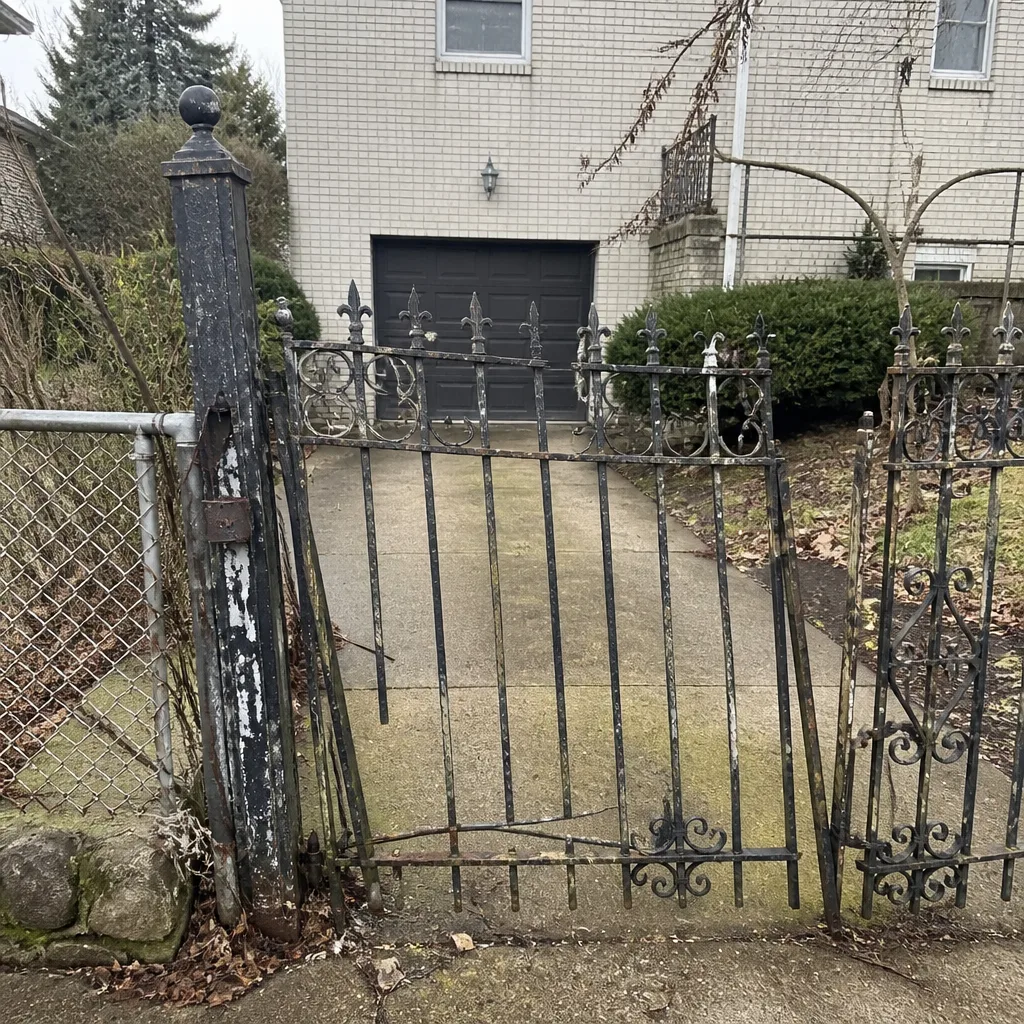 Before
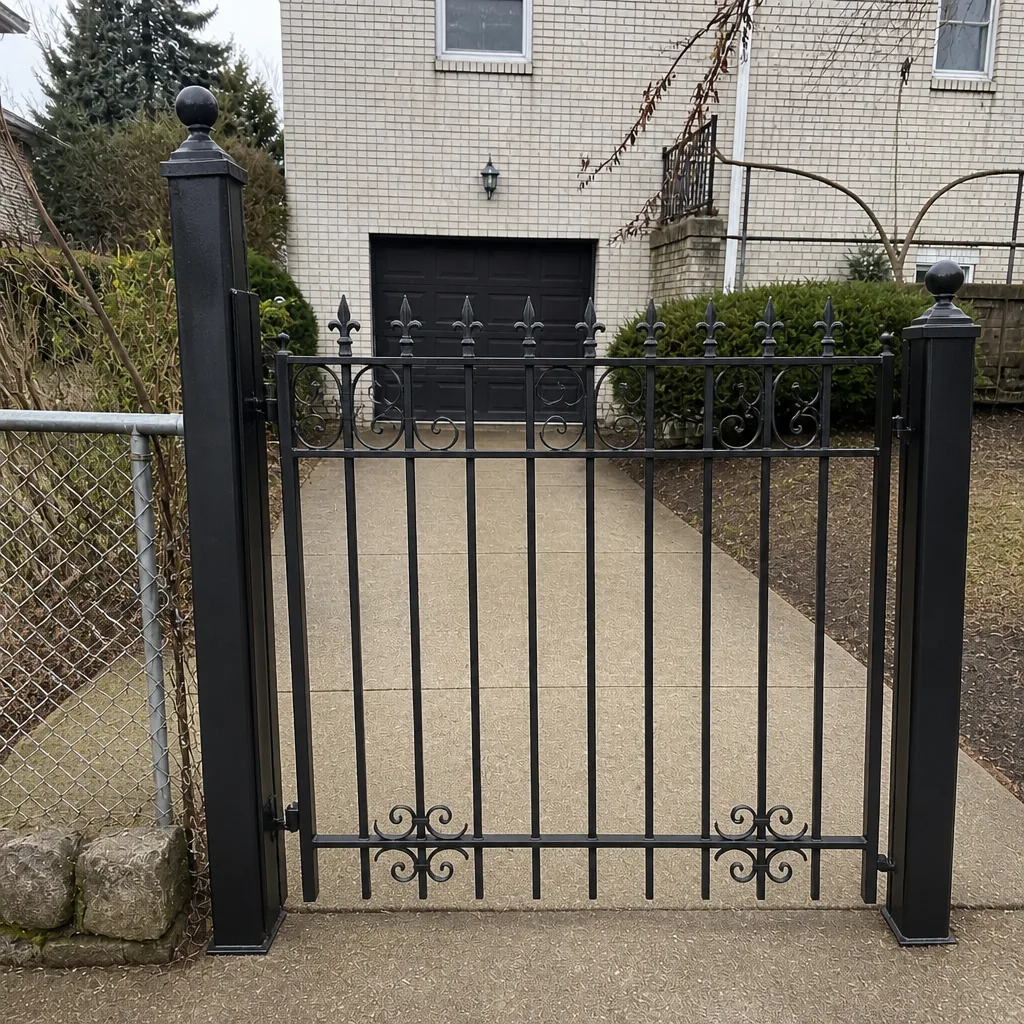 After
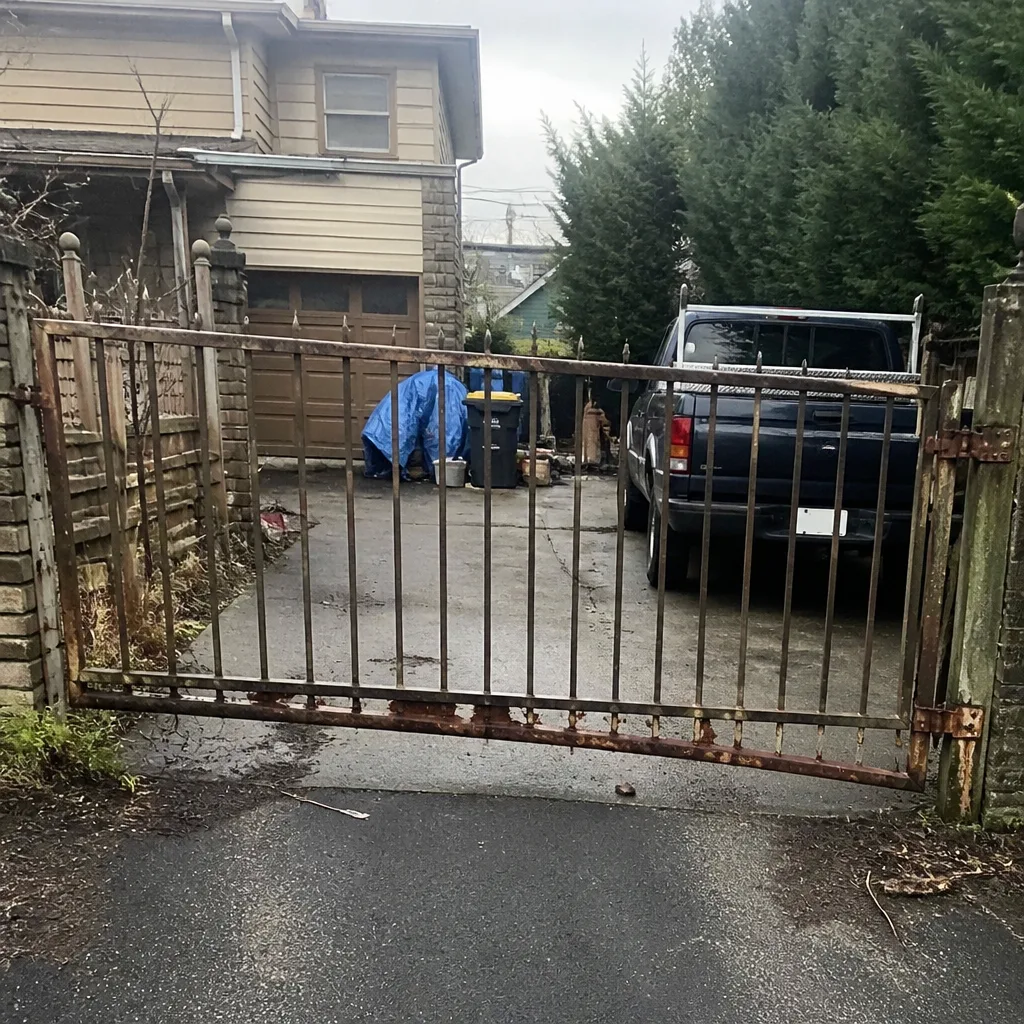 Before
 After
 Before
 After