
Last updated November 14, 2026
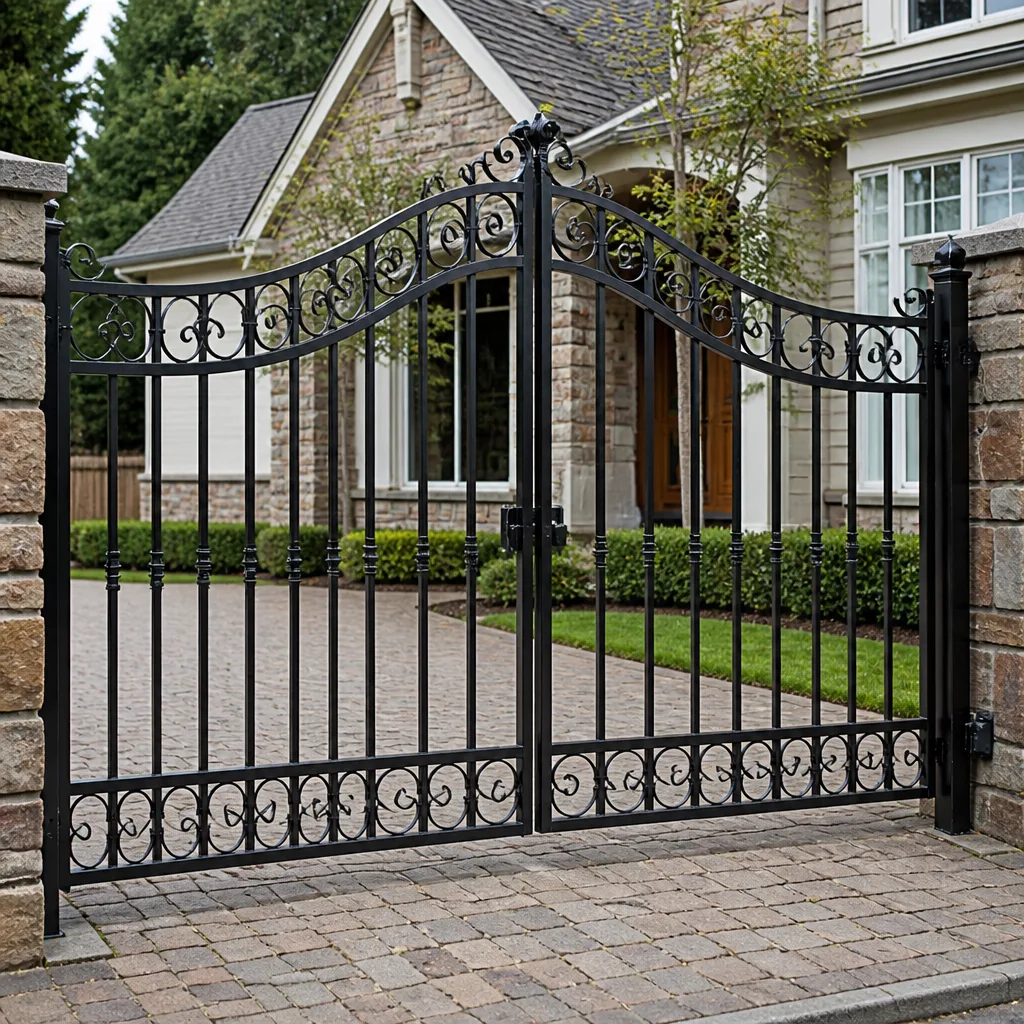 Wrought iron
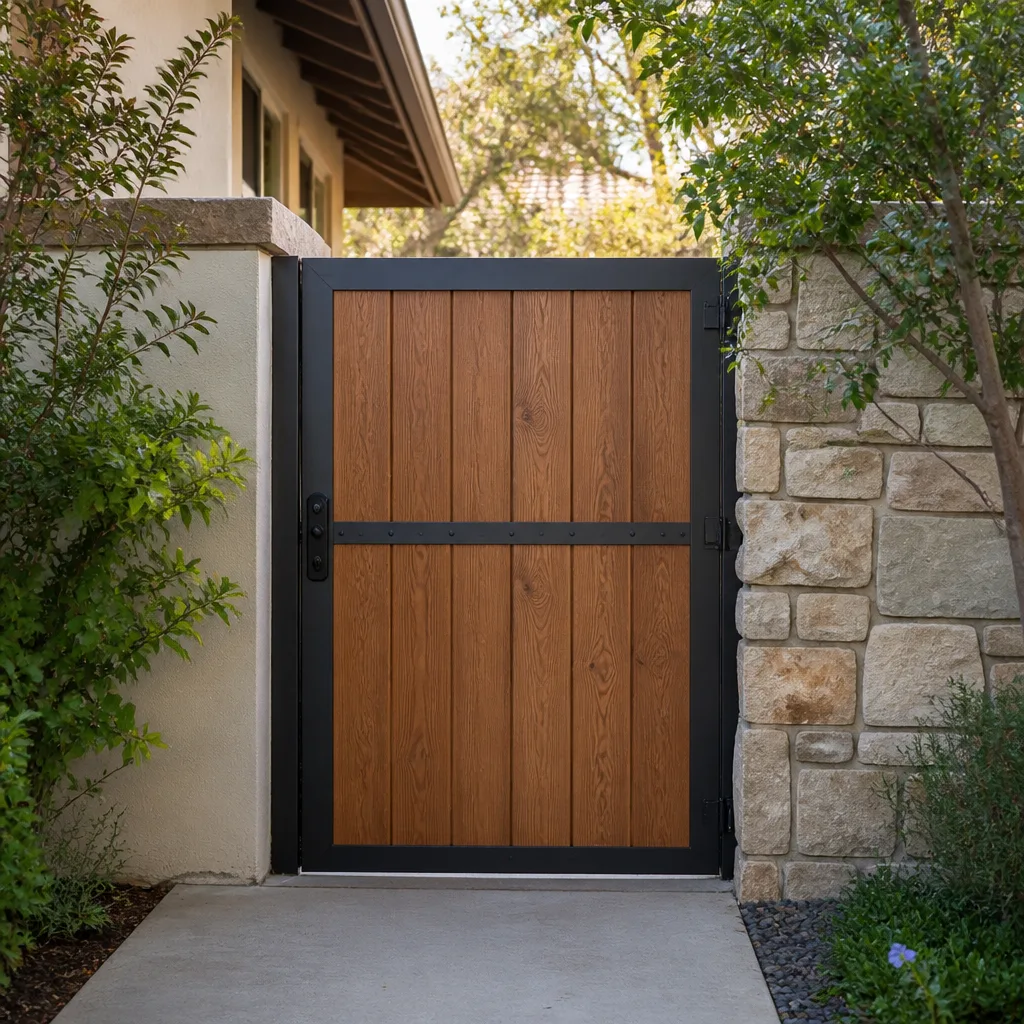 Wood & steel frame
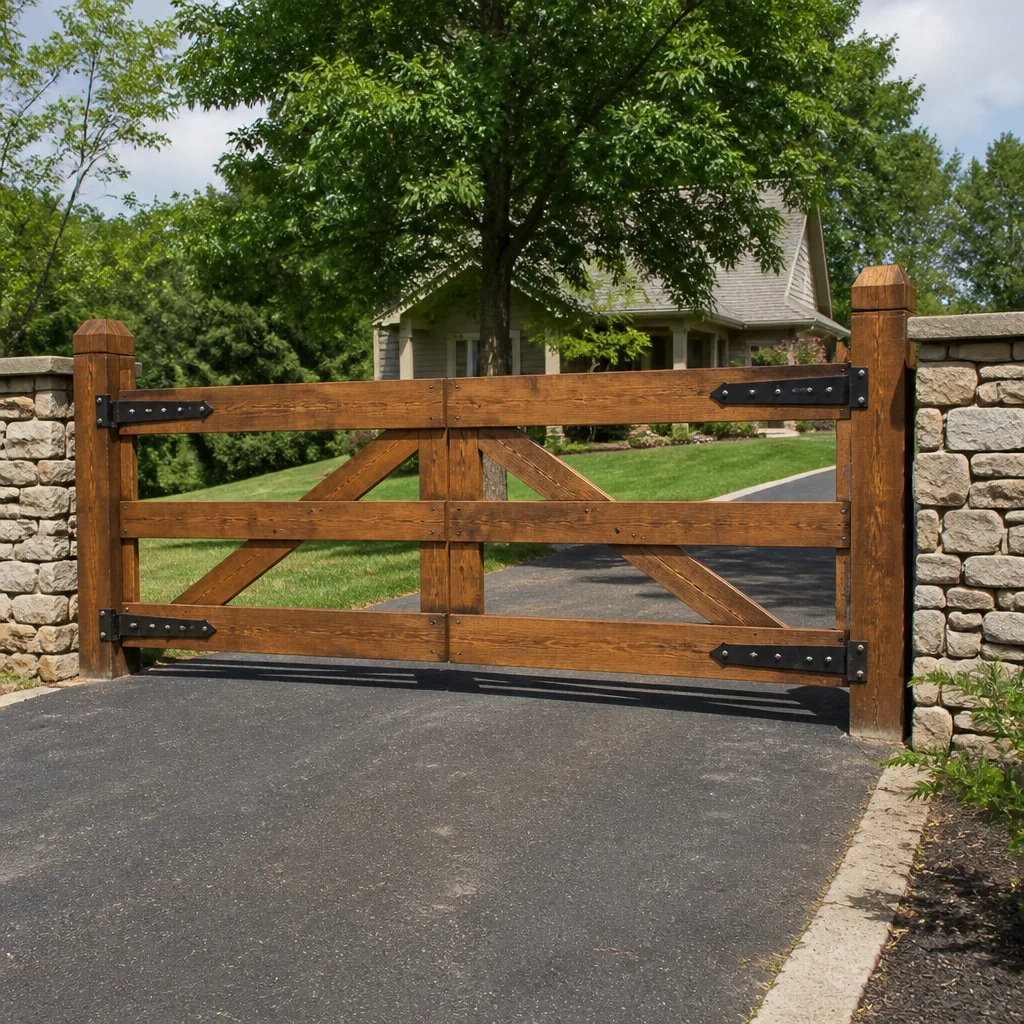 Farm & ranch
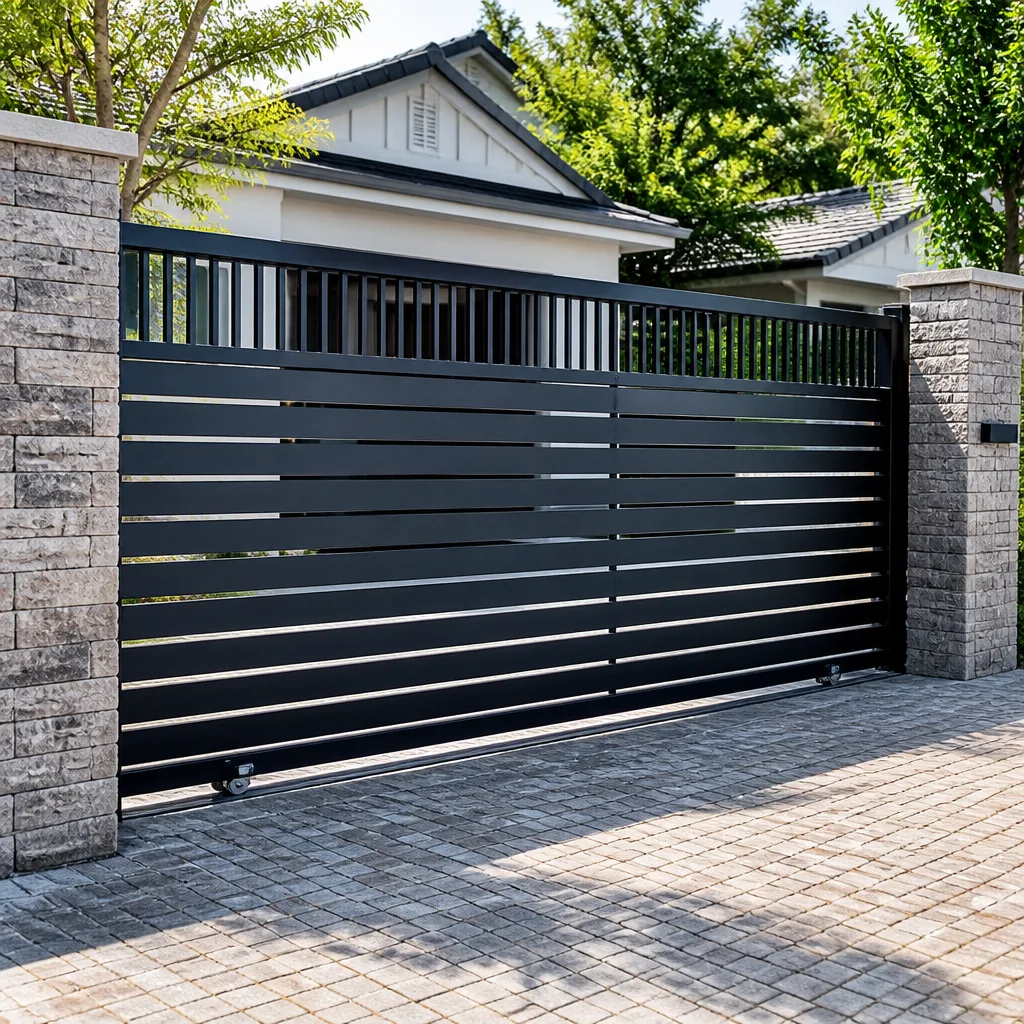 Sliding driveway gates
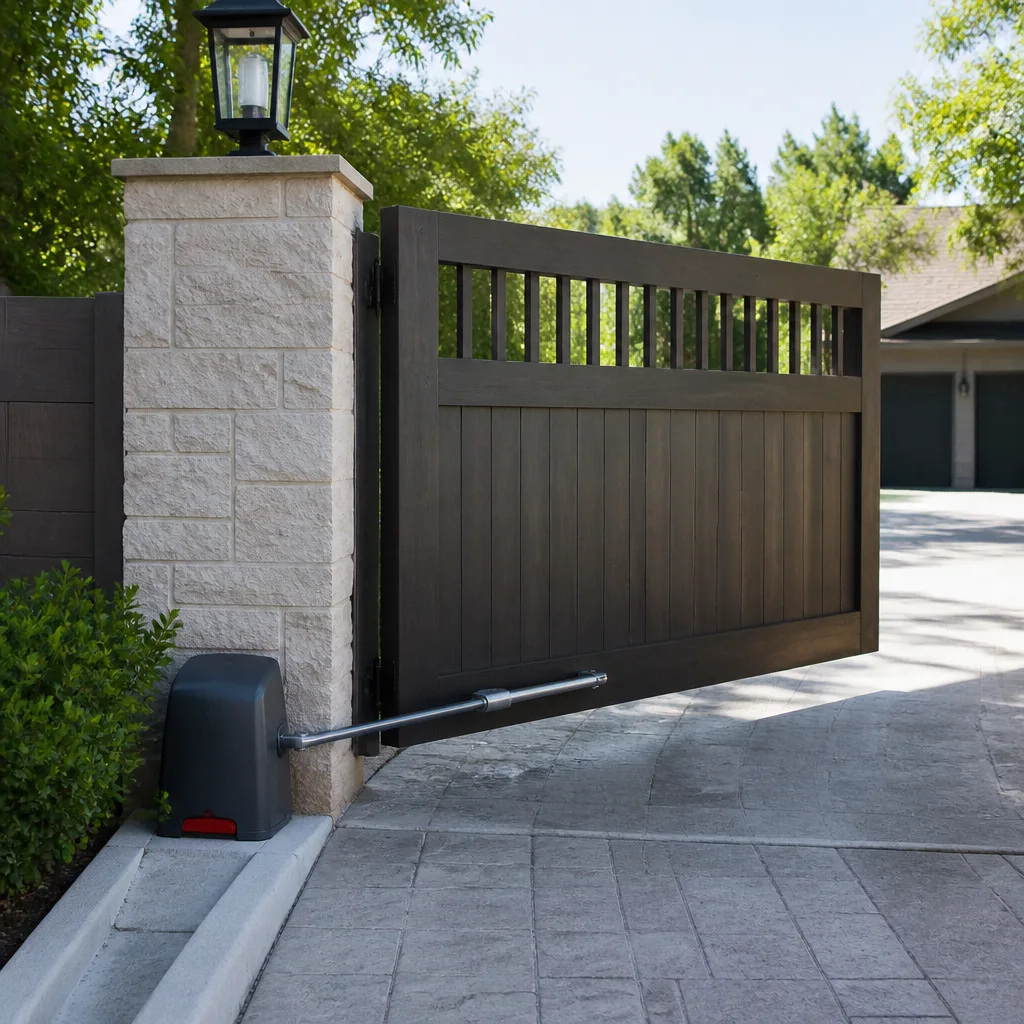 LiftMaster operators
Free on-site gate assessment - hinges, posts, and your LiftMaster or Nice gate operator checked before anything is quoted
The assessment is free and the quote is the invoice.
Get your free estimateGate Repair Troubleshooting in Pittsburgh: Common Problems and How to Fix Them
A gate that reverses before it closes isn’t simply “broken.” It’s telling you exactly which of three different safety sensors just did its job, and most homeowners misread that signal as a mechanical failure. That misdiagnosis is where small fixes turn into expensive ones. A misread sensor becomes a replaced control board. A loose limit switch becomes a motor rebuild. The gate was never the problem; the guessing was. In this guide, we’ll walk through the five failure modes we see most often on gates across Pittsburgh, map each symptom to the component actually causing it, explain how freeze-thaw cycles here stress parts in ways you won’t see in milder climates, and give you the diagnostic steps that can save you a service call before you even pick up the phone.
Quick Answer
Most automated gate failures in Pittsburgh come down to one of five root causes: the safety sensor system, a misadjusted limit switch, a tripped internal breaker, a failing control board, or a dead remote/receiver. Identify which component the symptom belongs to before assuming the motor is bad, because a sensor fix and a control-board replacement are very different jobs. The three-step check below (sensor path, power reset, limit inspection) catches the majority of simple faults before you call anyone.
Styles & brands we work with
- Wrought iron
- Wood & steel frame
- Farm & ranch
- Sliding driveway gates
- LiftMaster operators
Table of Contents
- The Five Pittsburgh Gate Failure Modes and What They Mean
- Why Your Gate Reverses and Which Sensor Is Talking
- How Freeze-Thaw Cycles Stress Your Gate Hardware in Pittsburgh
- Tripped Breaker vs. Burned Board: How to Tell Before You Touch Anything
- Brand-Specific Quirks: Why Error Codes Don’t Mean the Same Thing Everywhere
- Three Diagnostic Steps to Run Before You Call
- Remote Dead Zones and Mid-Travel Stops
- Common Mistakes to Avoid
The Five Pittsburgh Gate Failure Modes and What They Mean
Here’s the core of troubleshooting: each symptom your gate displays points to a specific component. When you map the symptom correctly, the diagnosis usually follows. When you don’t, you spend money on parts that weren’t the problem. We’ve built this mapping from years of gate-specific work across Pittsburgh, and the pattern holds across residential and commercial systems alike.
These are the five failure modes we encounter most:
- Motor hums but the gate doesn’t move. The operator is receiving power and trying to run, but something mechanical or electrical is stopping movement. Common culprits are a seized hinge, a binding track on a slide gate, a dead start capacitor, or a mechanical obstruction. The motor isn’t the problem yet, but it will burn itself out if you keep cycling it.
- The gate reverses randomly before closing. The safety sensor system is triggering. This could be the photo-eye beam, the loop detector embedded in the driveway, or the obstruction-sensing logic in the operator board. Which one depends on where in the travel cycle the reversal happens.
- The remote has dead zones. The receiver or antenna is the likely cause, not the remote itself. A weak or corroded antenna connection, a receiver losing power intermittently, or interference from a new device nearby will all show up as “the remote only works when I’m close.”
- The gate stops mid-travel. This is almost always a limit switch. The switch tells the operator where to stop opening or closing, and when it’s out of adjustment or failing, the gate halts wherever the signal cuts out. Freeze-thaw movement is a frequent trigger here in Pittsburgh.
- The board loses power after an outage. Power loss points to the board, the transformer, or the internal breaker. Sorting out which one requires checking whether the operator is receiving voltage at all, which we cover below.
Once you know which of these five you’re experiencing, the rest of this guide narrows it down to the exact part. Most of the calls we handle in Pittsburgh start with a homeowner or property manager who has already identified the category but not the component, and that’s exactly where the troubleshooting below starts to pay off.
Why Your Gate Reverses and Which Sensor Is Talking
A gate that reverses before closing is doing its job. It’s detecting something in the path and pulling back to prevent a collision. The challenge is figuring out which sensor triggered it, because three different safety systems can cause the same visible behavior. Reading the reversal correctly is what turns a mystery into a fix.
The three sensors that cause reversals are:
- Photo-eye beam. A pair of sensors mounted across the gate opening. When the invisible beam between them is broken, the gate reverses. Spider webs, leaves, condensation, dirt on the lens, or a sensor knocked slightly out of alignment will all trigger it. In Pittsburgh, the constant wet-and-dry cycling through spring and fall means fog and condensate on the lenses are a frequent cause.
- Loop detector. A wire loop buried in the driveway that senses metal and large objects. If the loop is damaged, or the detector module has lost its tuning, the gate may think a vehicle is always present and reverse repeatedly. A loop damaged by ground settling or frost heave is not something you can fix by cleaning a lens.
- Obstruction sensing in the operator board. The motor draws more current when it meets resistance. The board reads that current spike as an obstruction and reverses. If your gate reverses only when it hits a specific spot, and there’s nothing in the path, the board may be set too sensitively, or a hinge is stiff and adding resistance.
The way to narrow it down: watch exactly where in the travel cycle the reversal happens. If it reverses the moment it starts closing, before moving, suspect the loop or a sensor in the path. If it reverses partway through, suspect the photo-eye beam or a current-sensing sensitivity issue. If it reverses only in one direction, the limit or obstruction-sensing logic is the place to look first. We work on electric gate repair daily, and that travel-position clue resolves most sensor questions in the first few minutes.
How Freeze-Thaw Cycles Stress Your Gate Hardware in Pittsburgh
Pittsburgh’s climate is tough on gates in a very specific way. The freeze-thaw cycle, the repeated expansion and contraction of water in and around gate hardware as temperatures swing above and below freezing, works on welds, hinges, and switches in a pattern that homeowners in milder climates simply don’t experience. When we diagnose a gate in Pittsburgh that’s misbehaving in late winter or early spring, the cause is often not wear in the ordinary sense but damage from that cycle.
Here’s where freeze-thaw does the most damage:
- Hinge welds. Water collects in the small gaps around hinge hardware and welds. When it freezes, it expands, and repeated cycles can crack or weaken a weld that was never designed to be pried apart. A hairline crack you can’t see is enough to let the hinge sag, which throws off gate alignment and adds resistance the operator reads as an obstruction.
- Limit switches. These are small mechanical components, and the same contraction that affects the gate frame can shift a limit switch out of position. A gate that was running perfectly in the fall may stop mid-travel in February because the switch has moved a fraction of an inch.
- Ground settling and loop detectors. Frost heave shifts the ground, and a buried loop detector doesn’t flex with it. The wire can crack, and the detector module loses its signal. This is why “the gate stopped sensing my car” calls tend to cluster after a hard freeze.
- Gate frames and posts. Repeated freeze-thaw can loosen post footings, which throws off the gate’s level and the accuracy of every sensor that depends on clean alignment.
The practical takeaway is that a gate problem showing up in Pittsburgh during a thaw is often a symptom of something that happened during the freeze. That’s why we look at hardware alignment as carefully as we look at the board. If you’re seeing problems that started after a cold snap, the gate repair work may focus on mechanical realignment before any electronics come into question.
Tripped Breaker vs. Burned Board: How to Tell Before You Touch Anything
This is the single most important distinction in gate troubleshooting, and it’s the one that saves the most money. A tripped breaker is a reset. A burned control board is a replacement, and a control board can cost several hundred dollars. They can look identical from the outside: the gate is dead, nothing responds. Knowing how to tell them apart before you go near anything is the difference between a quiet afternoon and an unnecessary service call.
Before you open anything, understand what you’re dealing with. Gate operators run on line voltage, and the control board carries live current even when the motor isn’t running. This is not a component to poke at with a screwdriver and hope. The safe check is at the panel and the breaker, not inside the operator housing.
Here’s the sequence that works:
- Check the circuit breaker at your electrical panel. If the breaker for the gate circuit has tripped, reset it once and see if the gate powers back up. If it trips again immediately, stop and call a professional. A breaker that won’t stay reset is protecting you from a real fault.
- Find the operator’s internal breaker or fuse. Many gate operators have a resettable breaker or a fuse inside the housing. If you can see it without disassembling anything, check whether it’s blown or tripped. If it looks fine, the issue is upstream or the board itself.
- Look for board symptoms. A burned control board usually leaves clues: scorch marks, a bulging capacitor, a burnt smell, or a status LED that stays dark when power is present. If the operator is receiving voltage and the board is completely dead with visual damage, that’s a board replacement, not a reset.
If you reset the breaker and the gate comes back to life, you’ve diagnosed a power interruption. If it trips again, or the board shows damage, stop. This is where a trained technician with gate-specific experience needs to take over. Call Gate Repair Pittsburgh and describe what you found. The first-visit diagnosis will tell you whether you’re looking at a resettable fault or a board replacement.
Brand-Specific Quirks: Why Error Codes Don’t Mean the Same Thing Everywhere
An error code is only useful if you know how to read it for that specific brand and model. A fault code that means “obstruction detected” on a residential operator might signal something entirely different on a commercial unit. This is why brand-specific knowledge matters in gate repair, and why a general contractor guessing at error codes usually adds a visit rather than solving the problem.
The clearest example of this is LiftMaster. The same family of error codes shows up across their lineup, but the meaning shifts depending on whether you’re working with a commercial system built for traffic and heavy cycling or a residential unit designed for a driveway. A code that points to a sensor alignment issue on a residential operator can indicate a different fault entirely on a commercial unit running an access-control system. Reading the code without knowing the model’s context is how you end up chasing the wrong component.
The same pattern holds across the brands we work with. FAAC and BFT commercial systems, common on multi-family and commercial gates across Pittsburgh, have their own logic and their own diagnostic conventions. Elite and Mighty Mule residential units have different failure patterns and different service procedures. We’re familiar with all of these because gate work is all we do, and our technicians have up to 14 years of experience diagnosing by brand-specific failure patterns rather than trial and error.
If you’re seeing an error code, write it down and note the brand and model of your operator. That single piece of information is what lets us tell you, before anyone drives out, whether you’re looking at a sensor reset, a limit adjustment, or a board issue. If the brand isn’t one we work with, we’ll tell you that too, clearly and upfront. One specialist, your exact brand, the right fix.
Three Diagnostic Steps to Run Before You Call
You can run three simple checks yourself, safely, that will cut the time and cost of a service call roughly in half. This isn’t about doing the repair yourself. It’s about giving us the information we need to bring the right part and go straight to the right component when we arrive. Here’s the sequence.
Step 1: Walk the safety sensor path. With the gate in the open position and the power on, walk slowly through the gate opening. Does the gate respond? Look at the photo-eye lenses on each side. Are they clean? Are they pointed directly at each other? Is there a spider web, a leaf, or a bit of debris blocking the beam? If the gate reverses when you break the beam but stays put when you leave the path clear, the sensor system is working. If it reverses even with a clear path, the loop detector or obstruction sensing is suspect.
Step 2: Do a hard power reset at the breaker. Find the breaker for the gate circuit and switch it off for a full minute, then back on. This clears the operator’s logic and forces a fresh sensor check. Many intermittent faults, especially ones that appear after a power outage or a storm, resolve on a clean reset. If the gate comes back and stays running, you’ve likely had a transient fault. If it goes dead again, you’re looking at a power or board issue, which we covered above.
Step 3: Cycle the gate manually and listen. If your operator allows manual release, disengage it and move the gate by hand through its full travel. Does it move smoothly, or does it bind, grind, or catch at a particular point? A gate that moves easily by hand points to an electrical or sensor cause. A gate that fights you points to a mechanical cause like a hinge or track. Note exactly where the resistance starts. That location is diagnostic gold.
Write down what you find in each step: sensor behavior, reset result, and where the gate binds. When you’re ready to call, that information lets us diagnose on the first visit. Our gate Pittsburgh team uses those three data points to plan the visit before the technician ever leaves, and that’s why our first-visit resolution rate is what it is.
Remote Dead Zones and Mid-Travel Stops
Two symptoms that seem unrelated actually share a common thread: signal integrity. A remote that only works when you’re standing close to the gate, and a gate that stops partway through its travel, both point to a loss of signal or a loss of reference position. Understanding the difference is what separates a quick fix from a repeat service visit.
Remote dead zones. When your remote works from two feet away but not from the driveway, the receiver or antenna is suspect, not the remote. Common causes include a corroded or loose antenna connection, a receiver that’s losing power intermittently, a weak battery in the remote (which affects range first), and interference from a new wireless device nearby. The way to test it: try a second remote if you have one. If both remotes have the same short range, the receiver or antenna is the problem. If only one remote is weak, start with the battery.
Mid-travel stops. When a gate stops partway through opening or closing, and the gate is otherwise moving smoothly, the limit switch is the prime suspect. Limit switches tell the operator where to stop, and when they shift out of adjustment or fail, the gate halts at the point where the signal cuts out. The freeze-thaw cycle we described earlier is a frequent cause in Pittsburgh. You’ll often see this as a gate that stops at a slightly different point each time, which points to a loose or shifting switch rather than a failed one.
Here’s how to tell them apart at home: if the problem is the remote, the gate itself operates fine when triggered from the keypad or a wall button. If the problem is the limit switch, the gate stops mid-travel no matter how it’s triggered. Test both triggers. That one observation separates the two failure modes and tells us which component to check first.
The mid-travel stop is the one to call about sooner rather than later. Cycling a gate against a misadjusted limit repeatedly puts strain on the motor and on the gate hardware. We handle these as regular gate repair visits, and the earlier the limit switch is adjusted, the less likely the strain turns into a motor issue.
Common Mistakes to Avoid
Most of the expensive outcomes we see on Pittsburgh gates are preventable, and almost all of them come from a handful of common missteps. Here’s what to avoid:
- Assuming the motor is bad when the gate won’t move. A humming motor with no movement is usually a mechanical bind or a bad capacitor, not a failing motor. Replacing a motor before checking the hinges and track wastes money and doesn’t fix the problem. Diagnose the component first.
- Cleaning the photo-eye lens and stopping there. A clean lens is only part of the sensor check. The beam has to actually reach the other sensor, and in Pittsburgh frost and condensation fog the lens repeatedly. Check alignment, not just cleanliness.
- Resetting the breaker more than once without investigating. A breaker that trips repeatedly is telling you there’s a fault. Resetting it over and over can cause further damage. Reset once; if it trips again, stop and call.
- Trying to access the control board yourself. The board carries live current. This is the component most likely to injure someone who isn’t trained and the one where a small slip becomes a serious shock. Leave board work to a professional.
- Ignoring post-freeze symptoms until spring. A gate that starts acting up during a thaw is usually showing damage from the freeze. Waiting for warmer weather lets misalignment and binding worsen, which is exactly how a hinge issue turns into a motor issue.
- Calling a general contractor for an operator problem. Gates are a specialty, and an operator issue diagnosed by someone who works on fences or doors usually means a second visit from someone who works on gates. Go to the specialist first.
- Not writing down what you observed. The three diagnostic steps above produce information that shortens the service call. Skipping them and calling with only “it doesn’t work” costs time. A few notes on sensor behavior, reset result, and bind location make the first visit count.
See the difference
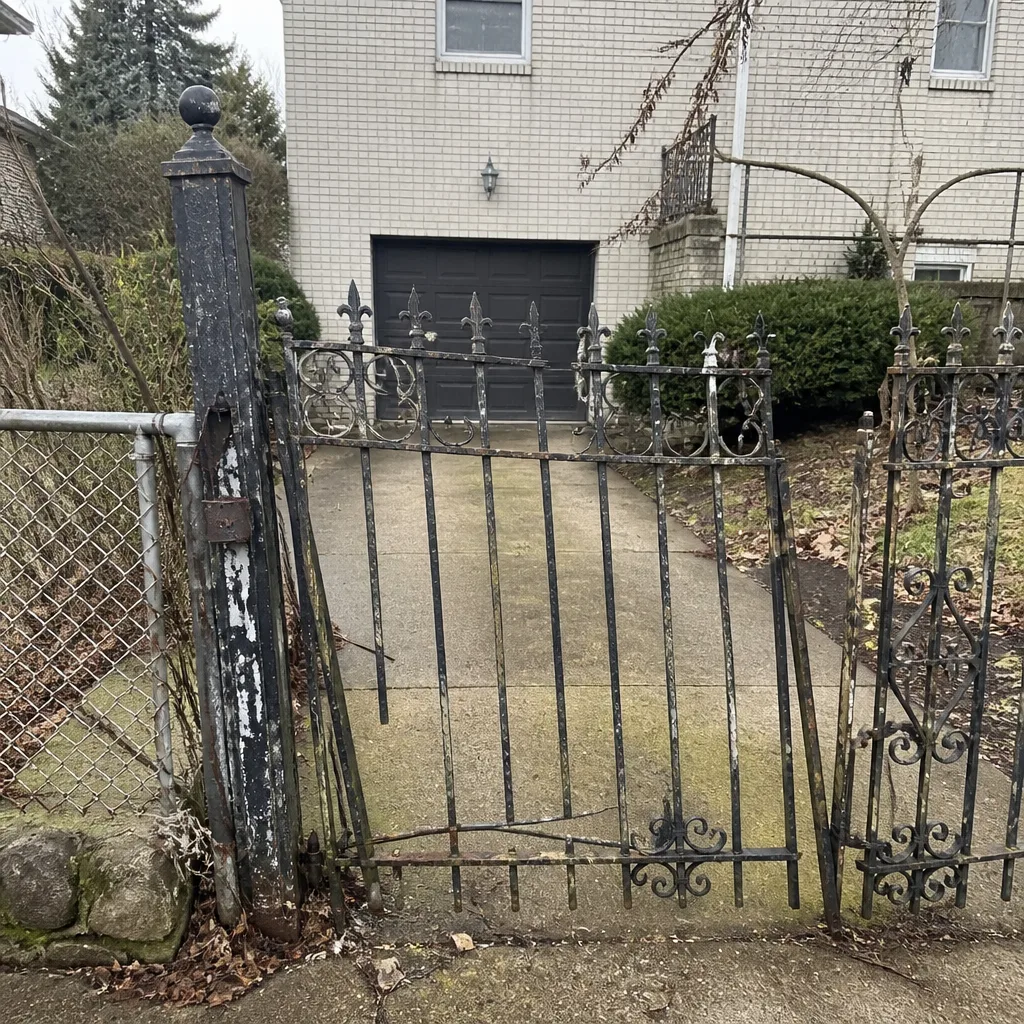 Before
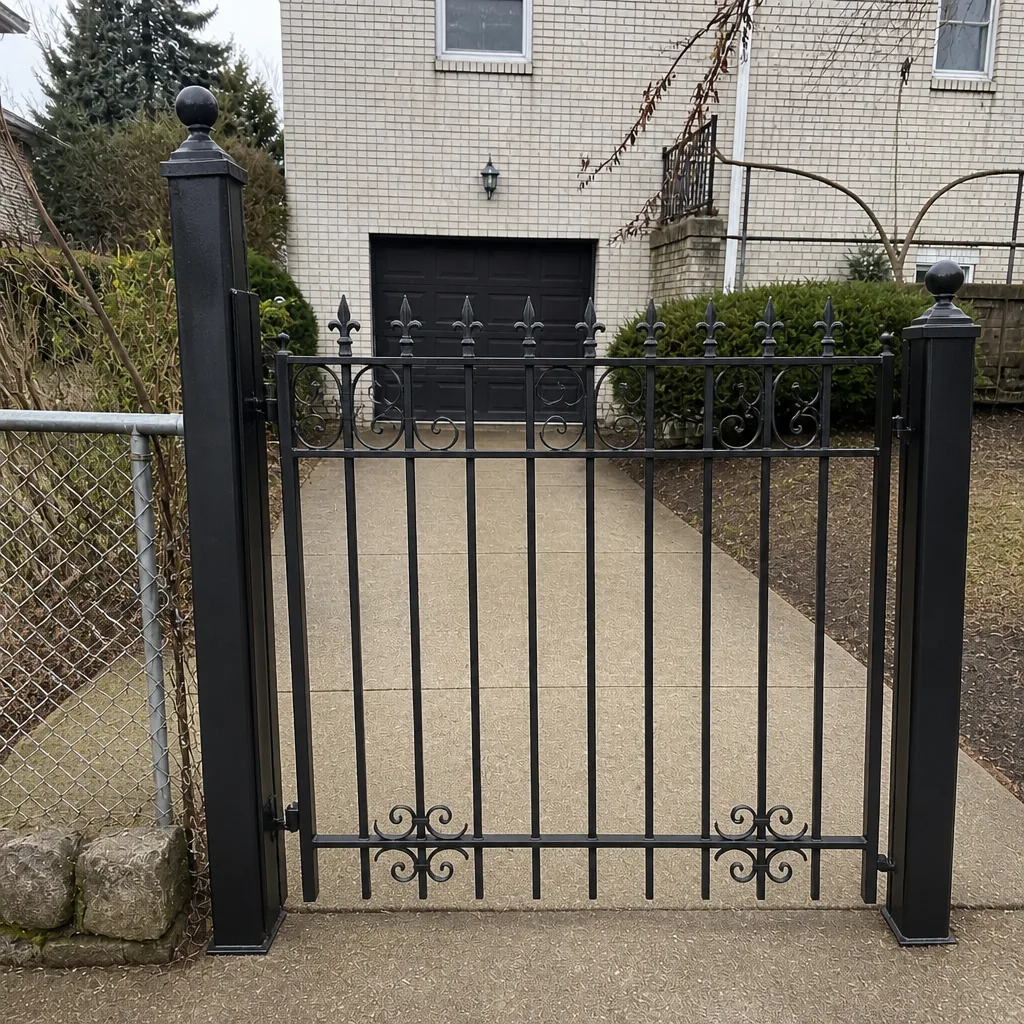 After
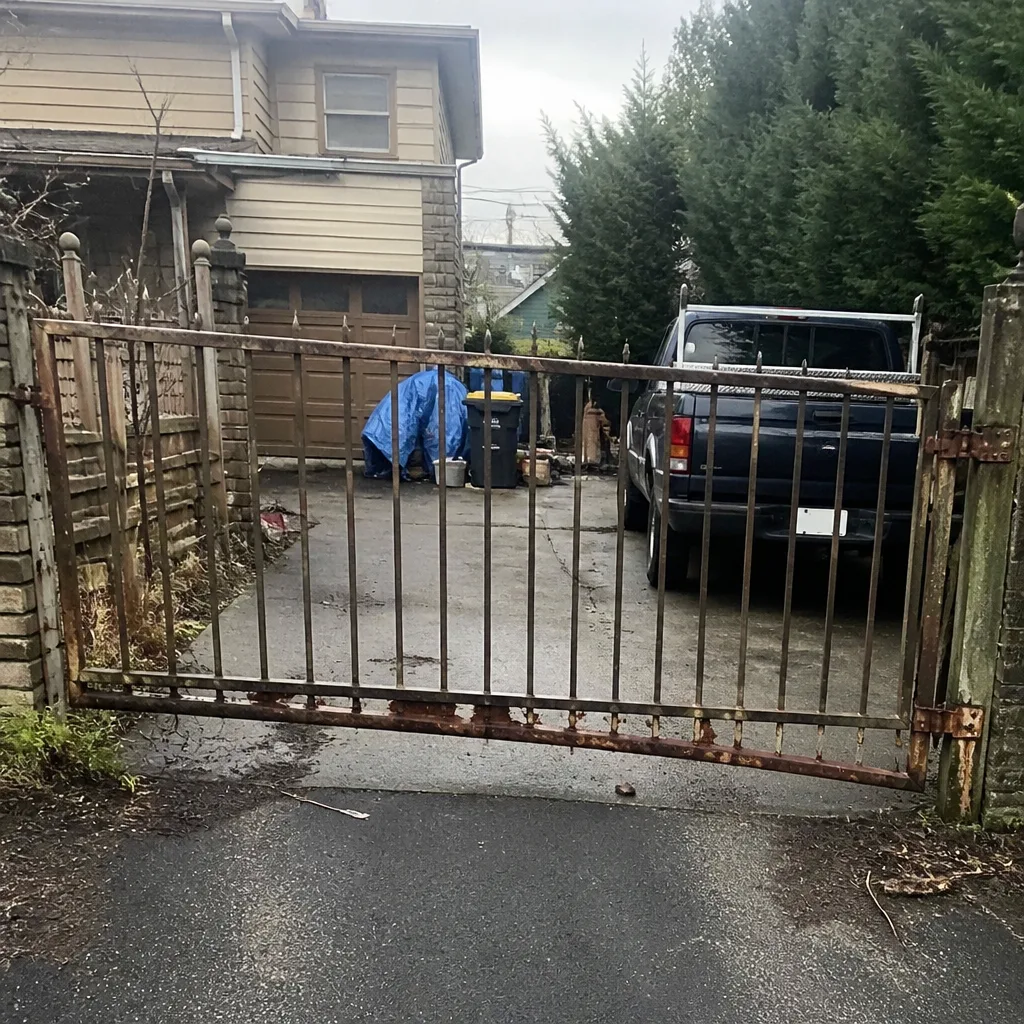 Before
 After
 Before
 After
When to Call a Professional
Some problems are safe to check yourself, and some aren’t. Call a professional when the breaker trips more than once, when the control board shows scorch marks or a burnt smell, when the gate binds mechanically and you can’t identify where, or when a mid-travel stop persists after a power reset. Call immediately if the gate is stuck partway open and won’t close, since that leaves the property unsecured, and if the gate is a commercial or multi-family access system where a failure affects residents or tenants. Call before you touch the control board, not after. Gate Repair Pittsburgh offers free estimates in Pittsburgh. Call (866) 361-7838. We answer 24/7. Fast dispatch from 7am to 7pm, Sunday through Friday. The price is quoted and agreed before any work starts, so you know the number before anyone touches the gate.
Frequently Asked Questions
Your gate is detecting an obstruction and reversing to prevent a collision, which means a sensor is triggering. Check the photo-eye lenses first for dirt, condensation, or misalignment, then the loop detector if the gate reverses the moment it starts. If the path is clear and the gate still reverses, obstruction sensing in the operator board may be set too sensitively. Call (866) 361-7838 for an exact diagnosis; estimates are free.
Gate repair in Pittsburgh is priced per job by a written estimate, so the number depends on the component involved. A sensor adjustment is a different job than a control-board replacement, and the estimate reflects exactly what your gate needs. We quote and agree the price before any work starts, which means the invoice matches the estimate. A free estimate is the true first step, not a rough guess.
Yes, in most cases. A mid-travel stop is usually a limit switch out of adjustment or a sensor losing reference position, not a motor failure. The motor keeps running; it just doesn’t know where to stop. Adjusting the limit switch is a routine repair. The longer you cycle the gate against a misadjusted limit, the more strain it puts on the motor, so call sooner rather than later.
No, and telling them apart is the most important check in gate troubleshooting. A tripped breaker is a resettable fault: reset it once and see if the gate comes back. A burned board shows visual damage like scorch marks or a burnt smell and stays dead even with power present. Reset once; if the breaker trips again, or the board looks damaged, call a professional before touching anything.
Yes, and more than most homeowners expect. Water that gets into hinge welds, limit-switch housings, and around buried loop detectors expands when it freezes and shifts components out of alignment when it thaws. A gate that ran perfectly in the fall can stop mid-travel in February because a limit switch moved a fraction of an inch. If a problem started after a cold snap, suspect mechanical movement before electronics.
Probably not. If a second remote has the same short range, the receiver or antenna is the culprit, not the remote itself. Check the antenna connection at the operator for corrosion or looseness, and try a fresh battery in one remote to rule that out. If both remotes are short-range, it’s a receiver or antenna issue, and we can diagnose it on a single visit.
The Bottom Line
Most Pittsburgh gate failures fall into five buckets, and the fastest way to a fair price is to identify which bucket you’re in before you call. A reversal points to a sensor; a mid-travel stop points to a limit switch; a dead gate points to a breaker or board, and knowing which one saves you from paying for a board you didn’t need. The three pre-call diagnostics (sensor walk, hard reset, manual cycle) give us the information to solve the problem on the first visit. Diagnose by component, not by guesswork. When you’re ready, one specialist, your exact brand, the right fix.
Call (866) 361-7838 to book a free estimate with Gate Repair Pittsburgh. We answer 24/7. Fast dispatch from 7am to 7pm, Sunday through Friday. Free estimates, upfront pricing, and the price is quoted and agreed before any work starts.
Written by the team at Gate Repair Pittsburgh.