
Last updated November 14, 2026
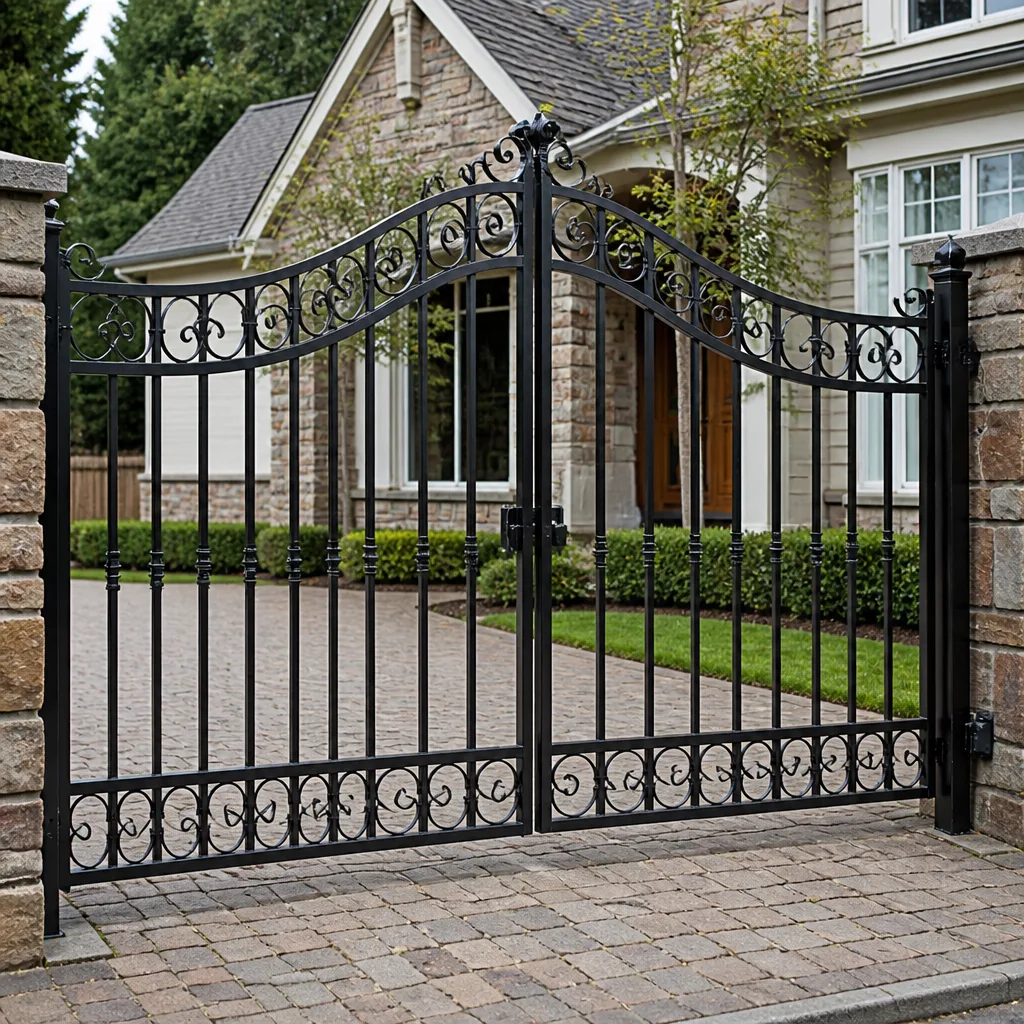 Wrought iron
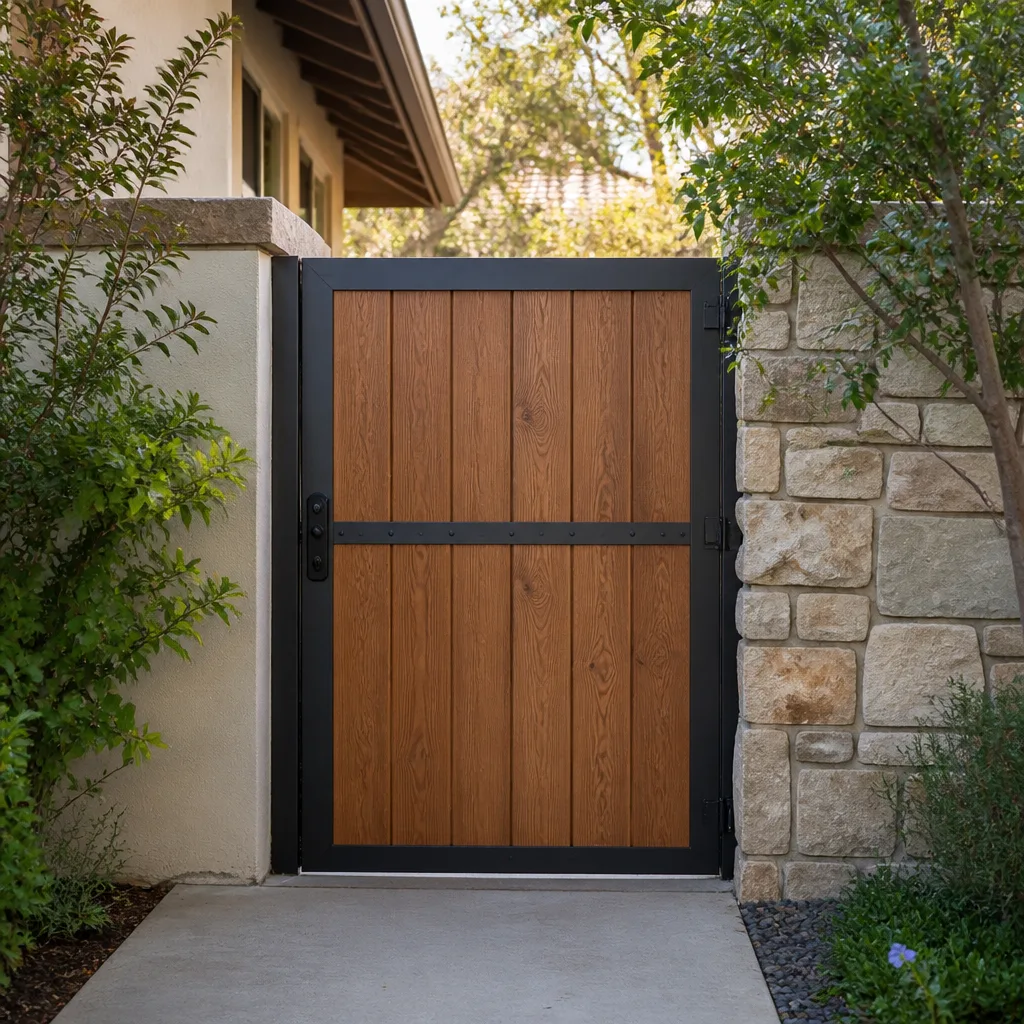 Wood & steel frame
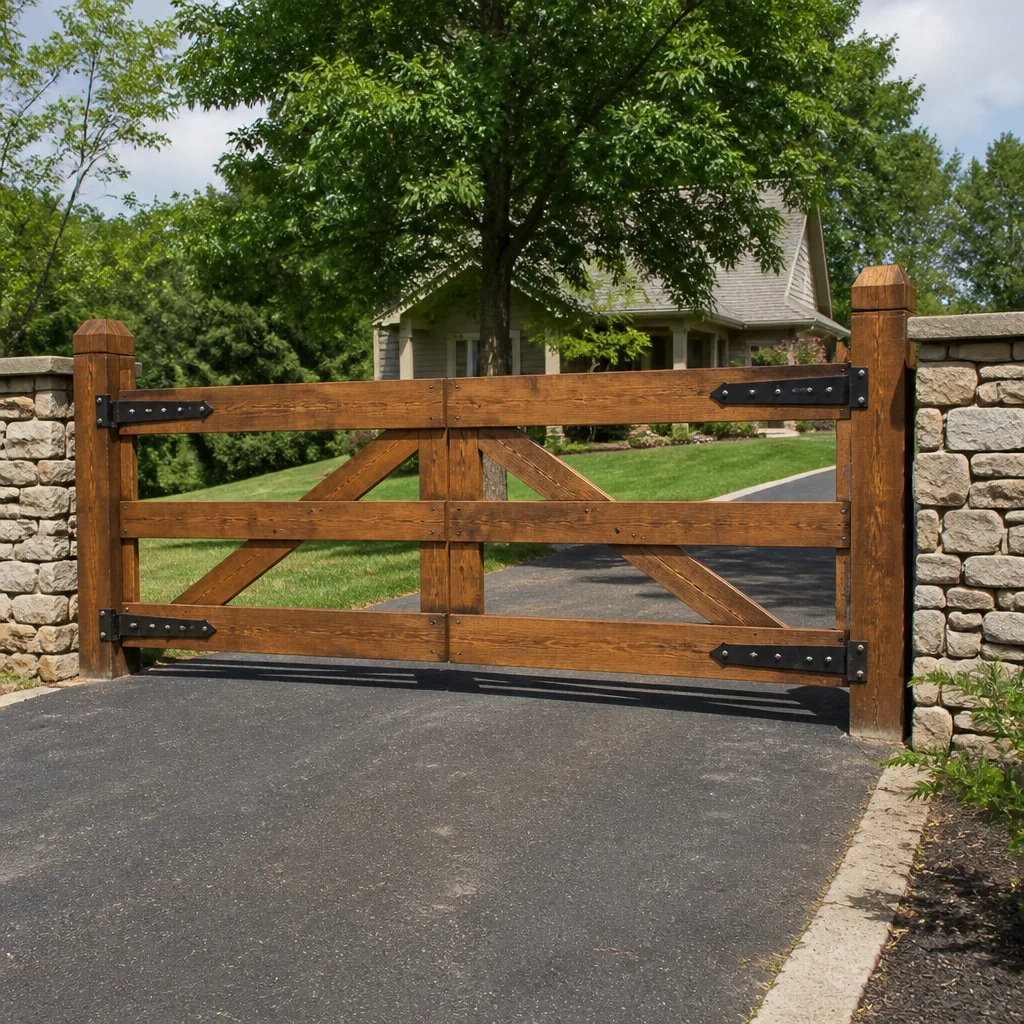 Farm & ranch
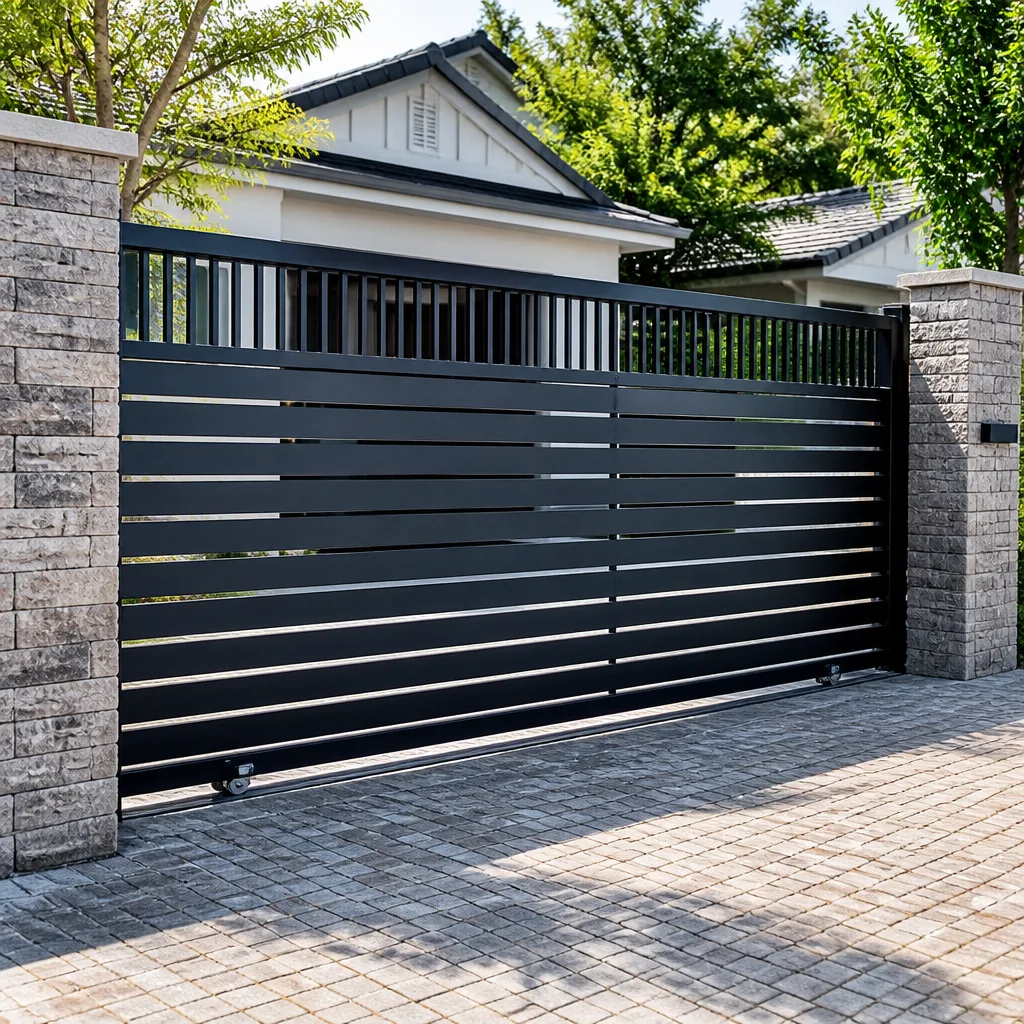 Sliding driveway gates
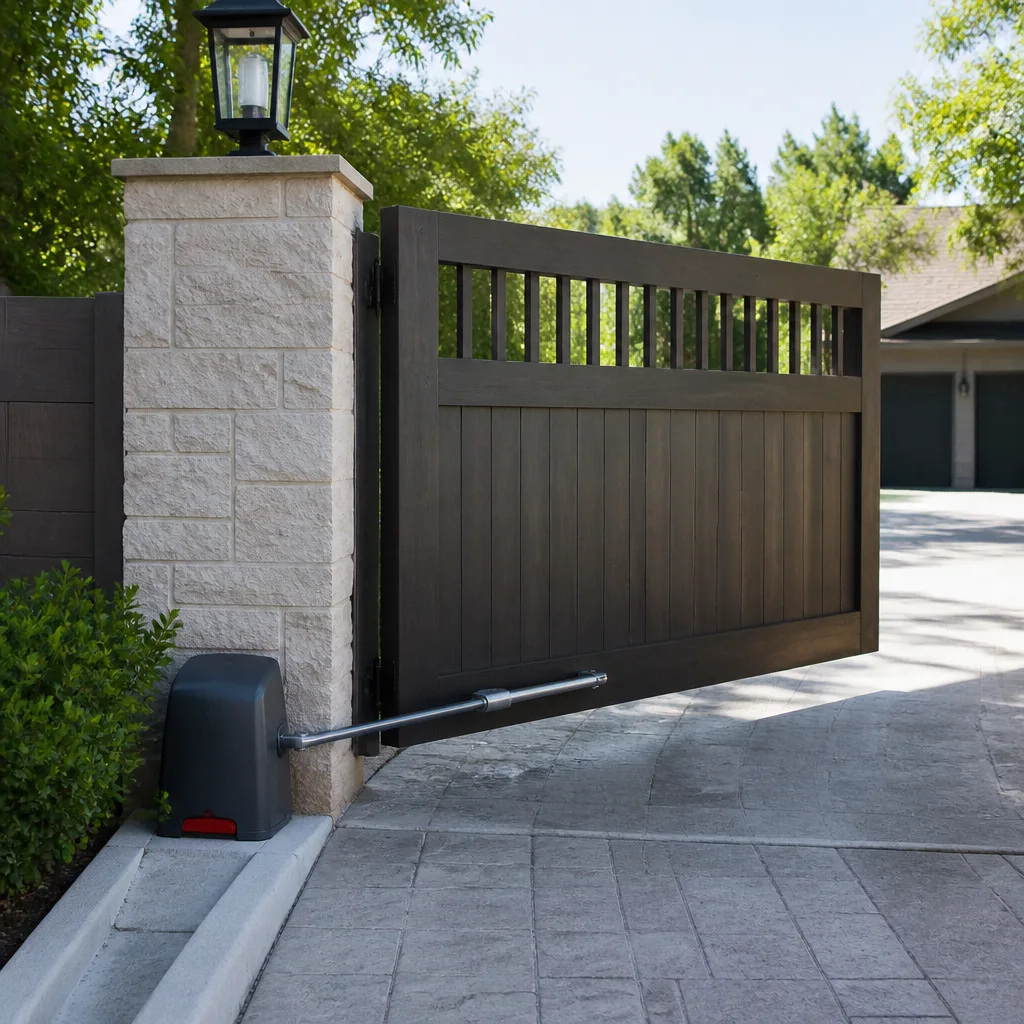 LiftMaster operators
Free on-site gate assessment - hinges, posts, and your LiftMaster or Nice gate operator checked before anything is quoted
The assessment is free and the quote is the invoice.
Get your free estimateGate Repair Permits, Codes & Inspections in Pittsburgh, PA: What You Need to Know
Most people assume any work on a gate is just maintenance, so no paperwork applies. That assumption holds for a hinge swap and falls apart the moment you change how the gate opens. In Pittsburgh, replacing a failed operator with a higher-voltage unit, adding keypad access to a manual gate, or swapping out gate posts can cross the line from repair into new installation, and the city’s Zoning + Permits office treats those two things very differently. This guide walks through what actually triggers a permit here, how zoning districts shape gate height and placement, what UL 325 requires, and how to check whether your planned fix stays inside maintenance scope.
Quick Answer
Gate repair itself almost never requires a Pittsburgh permit, but gate replacement, new operator installation on an existing structure, structural post replacement, and any change to a commercial access system usually do. Whether your job needs a pull comes down to one question: are you maintaining what’s there, or are you changing the structure, the power, or the access system? Answer that honestly before anyone orders parts, and the permitting picture in Pittsburgh becomes clear.
Styles & brands we work with
- Wrought iron
- Wood & steel frame
- Farm & ranch
- Sliding driveway gates
- LiftMaster operators
Table of Contents
- Where Repair Ends and Replacement Begins
- The Specific Permit Triggers in Pittsburgh
- How Pittsburgh Zoning Districts Affect Gate Height and Placement
- UL 325 and Commercial Gate Operators in Pennsylvania
- What Happens When Unpermitted Gate Work Turns Up Later
- How to Check Whether Your Repair Needs a Permit
- What a Gate Inspection Actually Looks At
- Common Mistakes to Avoid
Where Repair Ends and Replacement Begins
The single most useful distinction in this whole subject is maintenance versus improvement. Pittsburgh’s permitting system cares about improvements. A repair restores something to the way it was working; an improvement changes the structure, the electrical load, or the function of the gate. Homeowners and contractors both get this wrong because the practical difference isn’t always obvious on the ground.
Here’s the line we use when we’re talking a customer through it:
- Maintenance (usually no permit): replacing a worn hinge, adjusting a sagging swing, swapping a failed control board for the same model, replacing a remote receiver, repairing a loop detector, greasing and tuning an existing operator.
- Improvement (often needs a permit): installing a new operator on a gate that never had one, replacing an operator with a different voltage or a heavier class of unit, replacing gate posts or significant structural framing, adding keypad or access-control hardware to a manual gate, changing the gate’s height or width.
That second list is exactly where a gate job quietly becomes a construction project. A homeowner replaces a tired operator with a stronger one, or bolts a keypad onto a gate that was purely mechanical, and the work is now functionally a new installation even though the gate never moved. The city doesn’t look at whether the gate is the same one. It looks at whether you changed the system.
The Specific Permit Triggers in Pittsburgh
In Pittsburgh, the triggers usually come down to four things. If your job hits any of these, treat it as a permitted scope of work and plan accordingly. If it hits none, you’re most likely in maintenance territory and can proceed as a repair.
- Operator swap to a different class or voltage. Going from a light residential unit to a heavier-duty one, or changing the electrical supply, is an electrical and structural change. That’s an installation, not a repair.
- Structural post replacement. The posts are the foundation of the gate. Replacing them, or setting new ones, changes the structure of the installation and typically requires review.
- Access system additions. Adding keypad entry, card readers, intercoms, or loop detectors to a gate that didn’t have them is new access-control work, and it usually runs into electrical permitting as well.
- Any change to a commercial access system. Multi-family entrances and commercial lots sit under tighter scrutiny. A change to the access layer, even on an existing operator, is worth checking against zoning and permitting requirements.
What ties these together is that none of them are pure restoration. Each one changes either the electrical demand, the physical structure, or the security layer of the gate. When you’re weighing a repair versus an upgrade on a FAAC or BFT system, that’s the conversation to have before anything gets ordered.
How Pittsburgh Zoning Districts Affect Gate Height and Placement
Even a repair can run into zoning if it changes how the gate sits on the property. Pittsburgh’s zoning districts shape what’s allowed for fence and gate height, how far a gate can project toward the street, and what happens near historic properties. Residential districts are generally more permissive on height; commercial districts and historic neighborhoods are stricter. Placement matters too: a gate set right at the sidewalk line raises more questions than one set back from the property edge.
The practical catch is that a repair can turn into a height or placement question without anyone intending it. Straightening a leaning gate, resetting a post, or dealing with a gate that’s drifted over time all involve putting the gate back in a specific place. If the gate wasn’t in compliance with the current district rules to begin with, the fix can expose that.
What to check before you start:
- The height limit in your specific zoning district, which differs between residential, commercial, and historic zones.
- Any setback or projection rule that applies to your property line.
- Whether your neighborhood is in a historic district, which adds an extra layer of review to visible changes.
In our experience across Pittsburgh, a quick call to the Zoning + Permits office before the job starts saves a lot of backtracking, especially on older properties where record drawings don’t match what’s standing.
UL 325 and Commercial Gate Operators in Pennsylvania
UL 325 is the safety standard for gate operators, and it matters a great deal in commercial settings. It covers the entrapment-protection requirements for automatic gates, including the safety edges, photo eyes, and loop detectors that stop a gate if something is in the path. For commercial gate operators in Pennsylvania, compliance with UL 325 is effectively the baseline for a legally usable automatic gate, and the standard is what an inspection or a liability review will be measured against.
Where this becomes important in a repair is when someone decides to swap or bypass a safety component to get a gate moving again. Disabling a photo eye or a safety edge might get the gate working, but it puts the property operator in a much more exposed position if an incident happens. That’s not a trade-off worth making, and in our view it’s the single most common shortcut we walk customers back from on commercial and multi-family systems.
What UL 325 requires, in plain terms:
- Entrapment protection on every automatic gate, both directions of travel.
- Working safety edges, photo eyes, or loop detectors, maintained, not bypassed.
- An operator sized for the gate and installed to the manufacturer’s instructions.
- Access control hardware (keypads, remotes, card readers) properly wired to the operator.
For a property manager running a DoorKing or FAAC entrance, getting the safety hardware right is part of the system, not a nice-to-have. A gate that operates without it is a gate that shouldn’t be operating.
What Happens When Unpermitted Gate Work Turns Up Later
The real cost of unpermitted gate work usually surfaces at the worst possible time: a property sale or an insurance claim. When a buyer’s inspector or a title search turns up evidence of work that changed a structure or electrical system without a permit, the closing can stall while the work is inspected, corrected, or permitted retroactively. That’s not a scare story; it’s a common reason deals get delayed.
On an insurance claim, the question is usually whether the work that led to a loss was permitted and compliant. If a gate’s operator was replaced with a different unit without a permit, or safety hardware was bypassed, the claim review can get complicated. A gate that failed because of unpermitted electrical work is a harder claim to make than one that failed in the ordinary course.
The clean way to handle this is to keep records. Save the written estimate, any permits pulled for the work, the operator model, and the date the work was completed. If a permitted job later comes into question, you have a paper trail that shows exactly what was done and why. In Pittsburgh, where a lot of properties have older gates and older paperwork, keeping that file current saves real headaches down the line.
How to Check Whether Your Repair Needs a Permit
You can usually settle the permit question yourself in a few minutes if you follow a clear process. The goal is to find out whether your job is restoring existing function or changing the system, then confirm with the city before work starts.
- Write down what you’re changing. Not what’s broken, but what will be different when the work is done: the operator model, the voltage, the posts, the access hardware, the gate dimensions.
- Compare current to planned. If nothing about the structure, the electrical load, or the access system is changing, you’re likely in maintenance scope.
- Check your zoning district. Confirm height and placement rules for your property, and whether it’s in a historic district.
- Call Zoning + Permits. Describe the planned change and ask what they require. Be specific about voltage, posts, and any new access hardware.
- Get it in writing. Whatever you’re told, ask for a written confirmation or a permit number if one is issued, and keep it with your property records.
Most customers we work with get a clear answer within a day or two. If a permit is needed, we plan the job around that; if none is needed, we proceed as a straight repair. Both paths are fine; the important thing is that nobody finds out the hard way later.
What a Gate Inspection Actually Looks At
A gate inspection, whether it’s a city inspection for permitted work or an operator-led safety review, focuses on a specific set of things. Knowing what those are helps you prepare and helps you understand what a good installation or repair should include. Inspections aren’t about aesthetics; they’re about function, safety, and code compliance.
What gets examined:
- Structural integrity: posts, hinges, and framing, plus whether the gate operates without binding or sagging.
- Operator installation: correct model for the gate, proper mounting, and compliance with the manufacturer’s instructions.
- Entrapment protection: safety edges, photo eyes, and loop detectors tested for function in both directions.
- Electrical: wiring, grounding, and the electrical supply for the operator, plus any access-control hardware.
- Zoning compliance: gate height, placement, and setback against the district rules.
For commercial and multi-family properties, an inspection is also a check on UL 325 compliance, and that’s usually where issues are found: a bypassed safety edge, a control board wired to ignore a loop, an operator installed that doesn’t match the gate. For residential systems like Ghost Controls, Mighty Mule, or Linear units, the inspection focuses more on structural integrity and safe operation than on commercial-grade access layers. Either way, an inspection is the moment to get the details right.
Common Mistakes to Avoid
- Treating an operator swap as a repair. Replacing a failed operator with a different class or voltage unit is an installation in the city’s eyes. Confirm the scope before you buy anything.
- Adding access hardware to a manual gate without checking. Keypads, intercoms, and card readers on a gate that was purely mechanical are new access-control work and usually need review.
- Replacing structural posts and calling it maintenance. Posts are the foundation. Replacing them or setting new ones changes the structure and typically triggers permitting.
- Bypassing safety hardware to get a gate moving. Disabling a photo eye or a safety edge creates a compliance and liability problem, especially on commercial systems. Safety comes first.
- Ignoring zoning when a gate gets repositioned. A repair that involves resetting or straightening a gate can run into height, placement, or setback rules. Check your district.
- Not keeping records of what was done. Missing paperwork on a permitted or unpermitted gate job surfaces later during a sale or claim. Keep the estimate, permits, and model numbers.
- Assuming a general contractor knows gate permitting. Gate permitting is specific, and general contractors often guess. Get the right answer from the city and from a gate specialist.
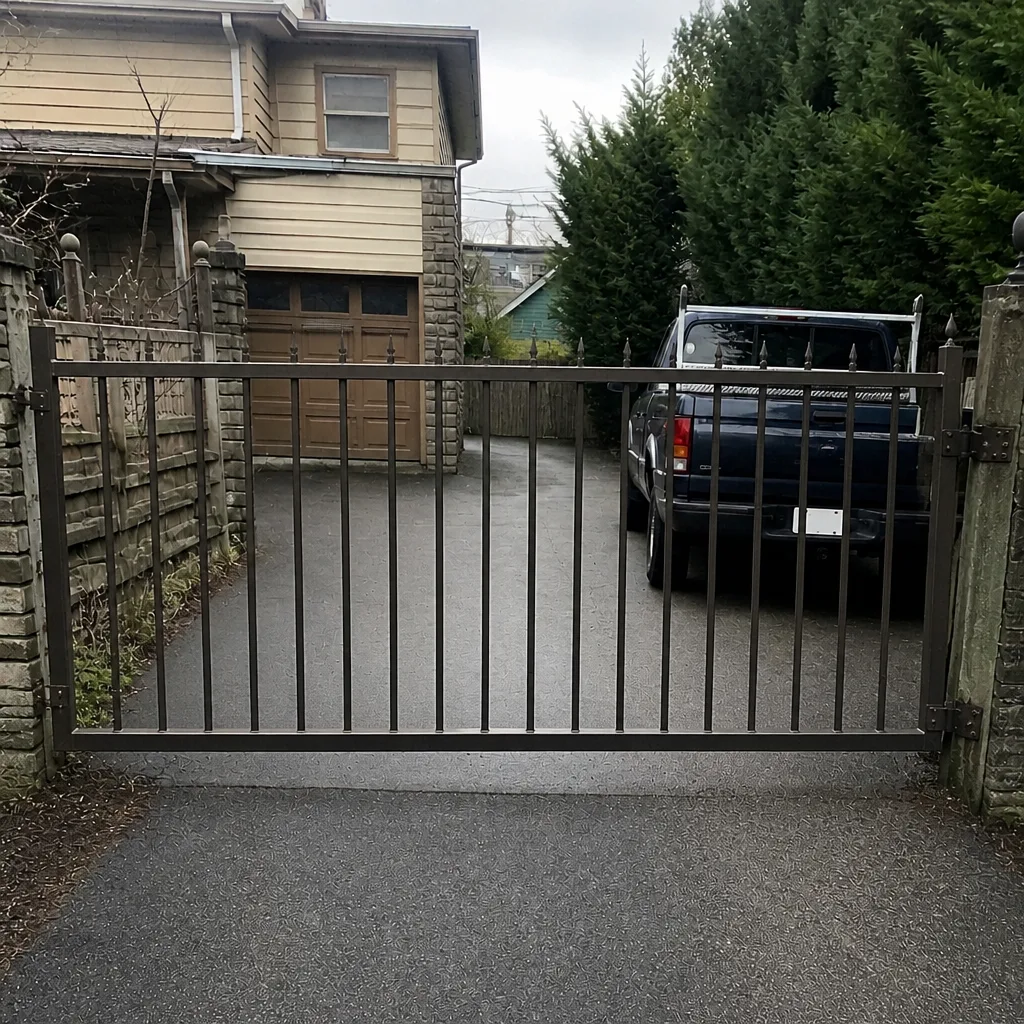
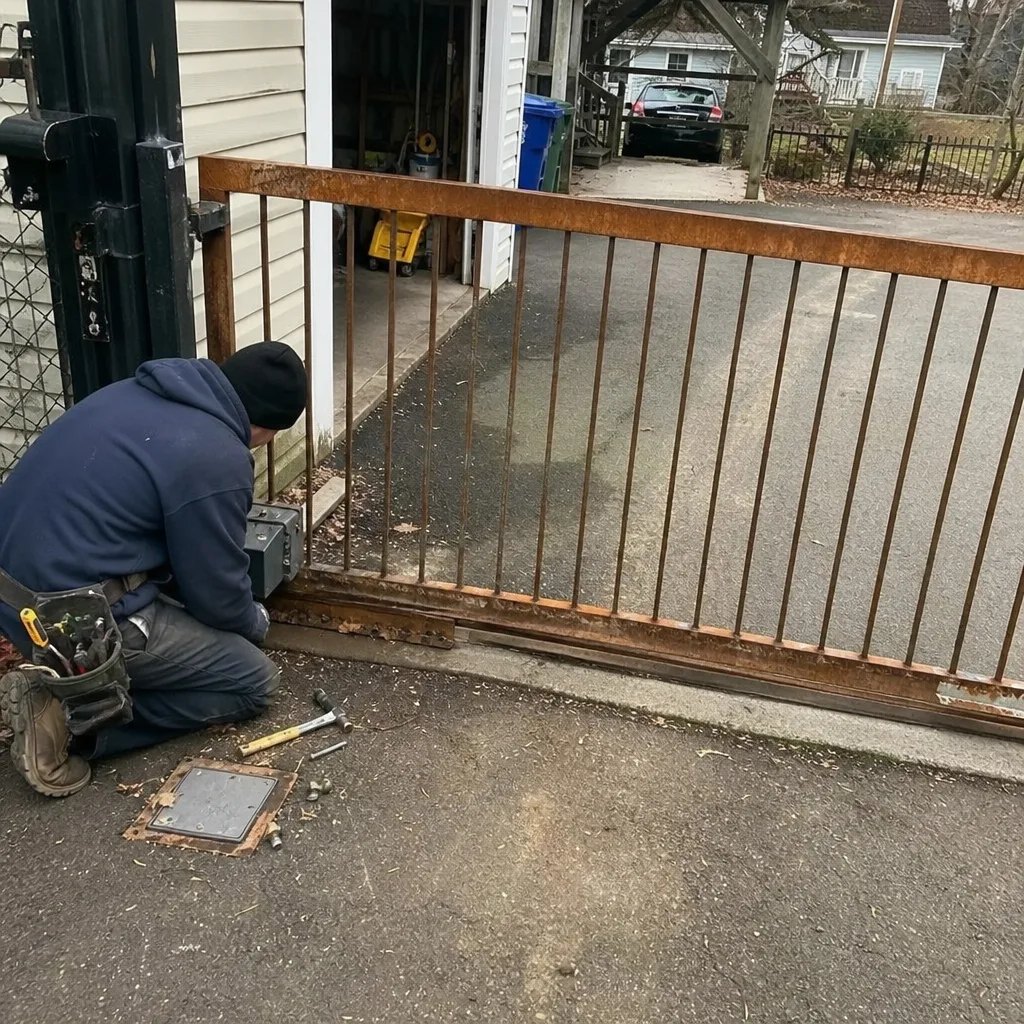
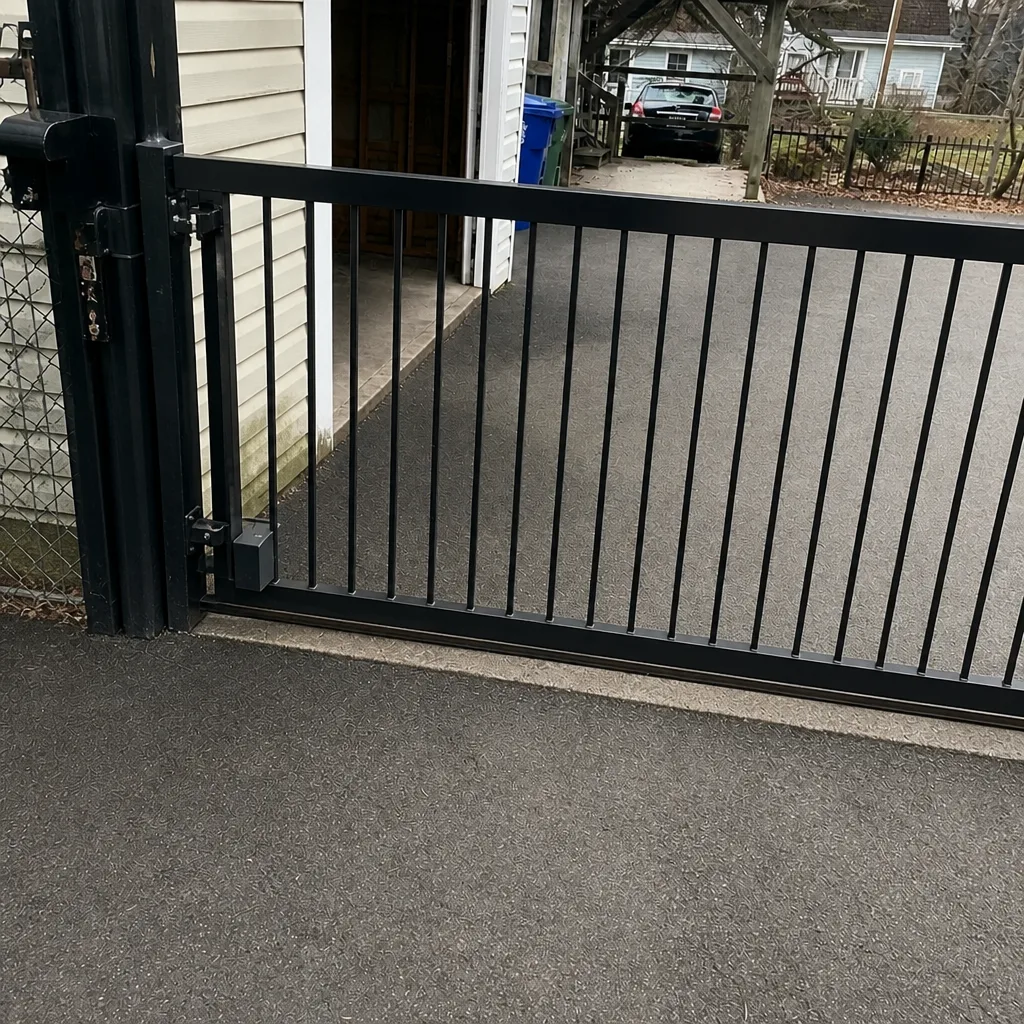
See the difference
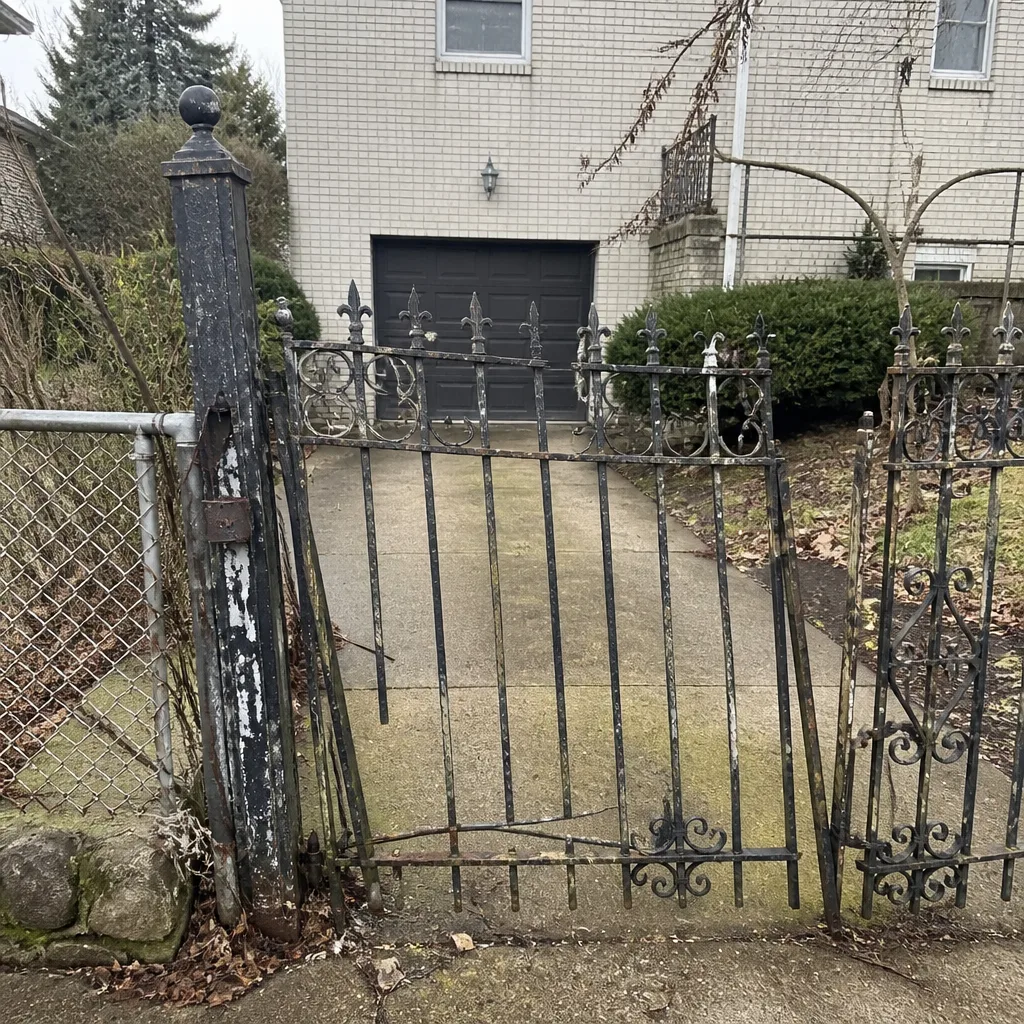 Before
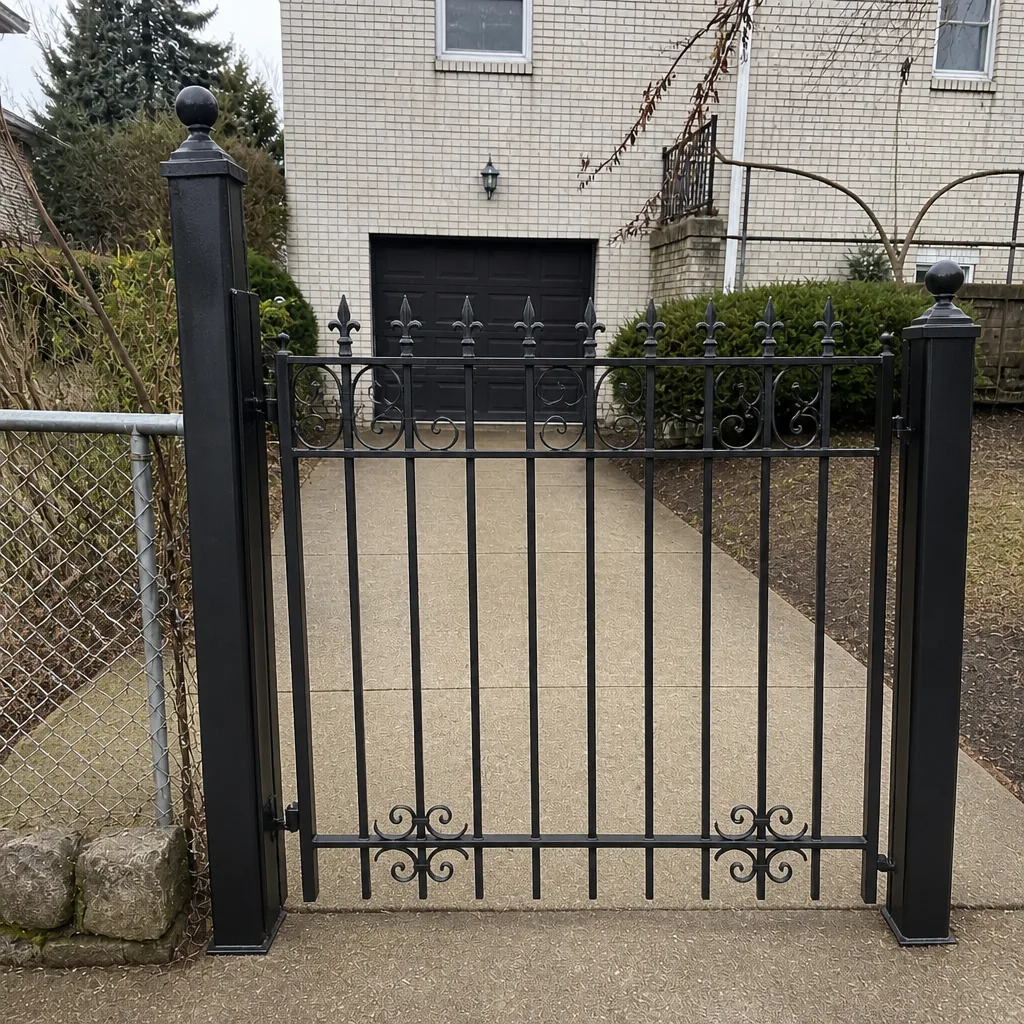 After
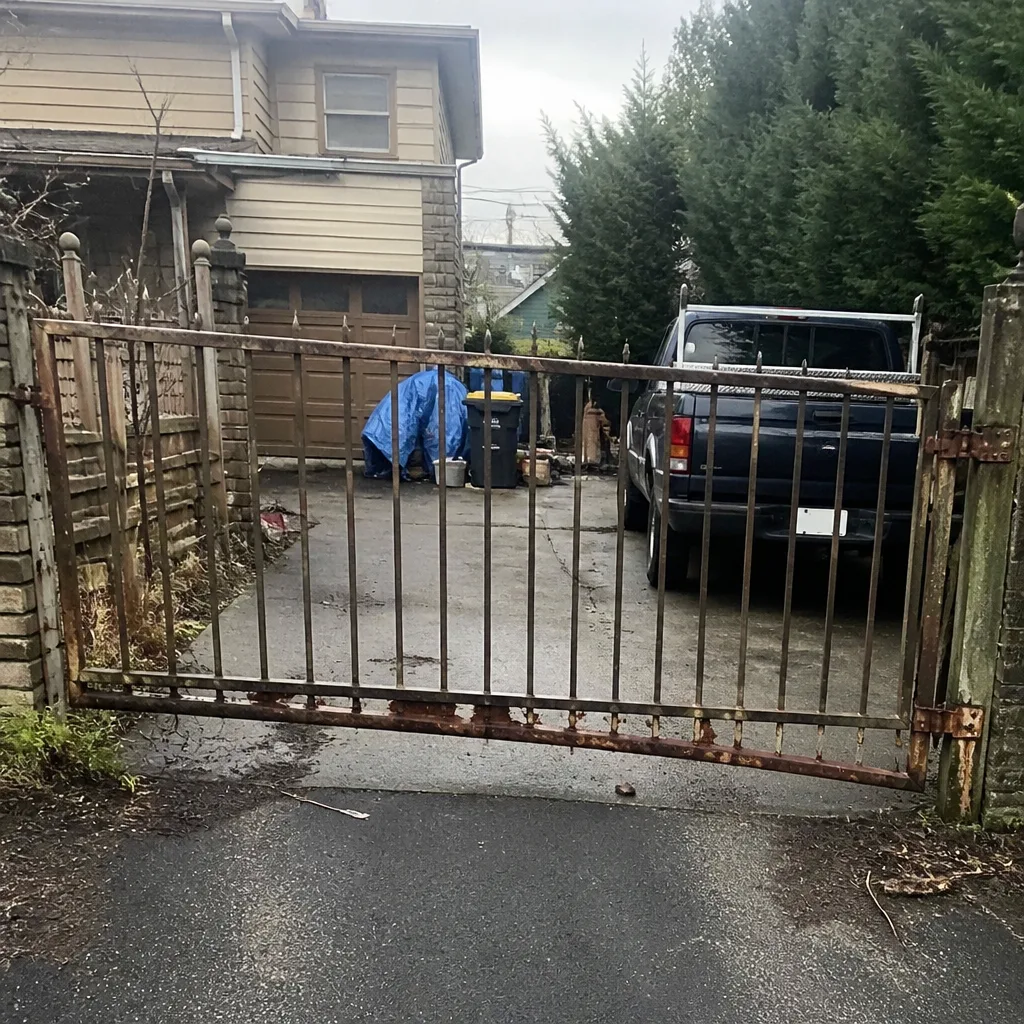 Before
 After
 Before
 After
When to Call a Professional
Some gate problems are clearly a job for a specialist: an electric gate that won’t respond, a commercial access system that’s failing intermittently, a gate that’s drifting out of alignment, or any job that touches the operator, the access layer, or the structure. That’s also the point where the permit question comes into play, because those are exactly the jobs that can cross from repair into installation. We’ve seen enough FAAC and Viking systems to know which failures are diagnostic and which ones are structural. If your gate won’t open, your access system is down, or you’re not sure whether the fix you’re planning is a repair or an improvement, that’s a conversation worth having before work starts. Gate Repair Pittsburgh offers free estimates in Pittsburgh, with a clear diagnosis of what’s going on and what it takes to fix it. Call (866) 361-7838. We answer 24/7. Fast dispatch from 7am to 7pm, Sunday through Friday.
Frequently Asked Questions
Gate repair itself usually does not need a permit in Pittsburgh. Replacing a hinge, adjusting a swing, swapping a same-model control board, or repairing a loop detector is maintenance. The permit question arises when the job changes the structure, the electrical load, or the access system, which is why we always clarify the scope before ordering parts.
A gate project crosses into permit territory when you install a new operator on a gate that never had one, replace an operator with a different voltage or class, replace structural posts, or add keypad, card reader, or intercom access to a manual gate. Any change to a commercial access system is also worth confirming with the city. If the change alters what the gate does or how it’s powered, treat it as an installation and check with Zoning + Permits. Call (866) 361-7838 for a free diagnosis.
UL 325 is the safety standard for gate operators, and it applies to automatic gates. It requires entrapment protection, working safety edges, photo eyes, or loop detectors that stop the gate if something is in the path, and an operator sized and installed per the manufacturer’s instructions. For commercial systems in Pennsylvania, UL 325 compliance is the baseline, and it should never be bypassed just to get a gate moving.
Unpermitted gate work most often surfaces during a property sale or an insurance claim, where the work can be inspected, corrected, or permitted retroactively, sometimes delaying the transaction. The safest approach is to confirm scope with the city before work starts and keep the estimate, permits, and operator model in your property records. Call (866) 361-7838 if you want a free assessment of what your situation needs.
Replacing an operator with the same class and model is usually a repair. Replacing it with a different voltage or heavier class unit is an installation to the city and typically requires a permit. The distinction is what changed about the system, not what the gate looks like. If you’re not sure, describe the planned change to Zoning + Permits and they’ll tell you what’s required.
We can walk you through the permit question and help you understand what your planned work requires, but the permit itself is issued by the city. We plan the job around whatever the city requires, and for permitted work we coordinate the installation to meet those requirements. For a clear read on your gate and the permit picture, call (866) 361-7838 for a free estimate.
The Bottom Line
In Pittsburgh, gate repair almost never needs a permit, but gate replacement, new operator installation, structural post replacement, and access-system changes usually do. The line is maintenance versus improvement, and it’s crossed whenever a job changes the structure, the electrical load, or the access layer. Zoning districts shape height and placement, so a repair that repositions a gate can raise questions there too. UL 325 requires real entrapment protection on automatic gates and shouldn’t be bypassed. When work is unpermitted, it tends to surface during a sale or claim, so keep your records. Our gate repair team can help you sort a repair from an installation. If your gate won’t open, isn’t responding, or you’re not sure what your fix needs, call (866) 361-7838. We answer 24/7. Fast dispatch from 7am to 7pm, Sunday through Friday. For full-service electric systems, our electric gate repair covers what most gate jobs actually need. We also work throughout Pittsburgh and can diagnose your gate and plan the work around whatever the city requires. Free estimates, upfront pricing, and we quote the price before any work starts.
Written by the team at Gate Repair Pittsburgh.